
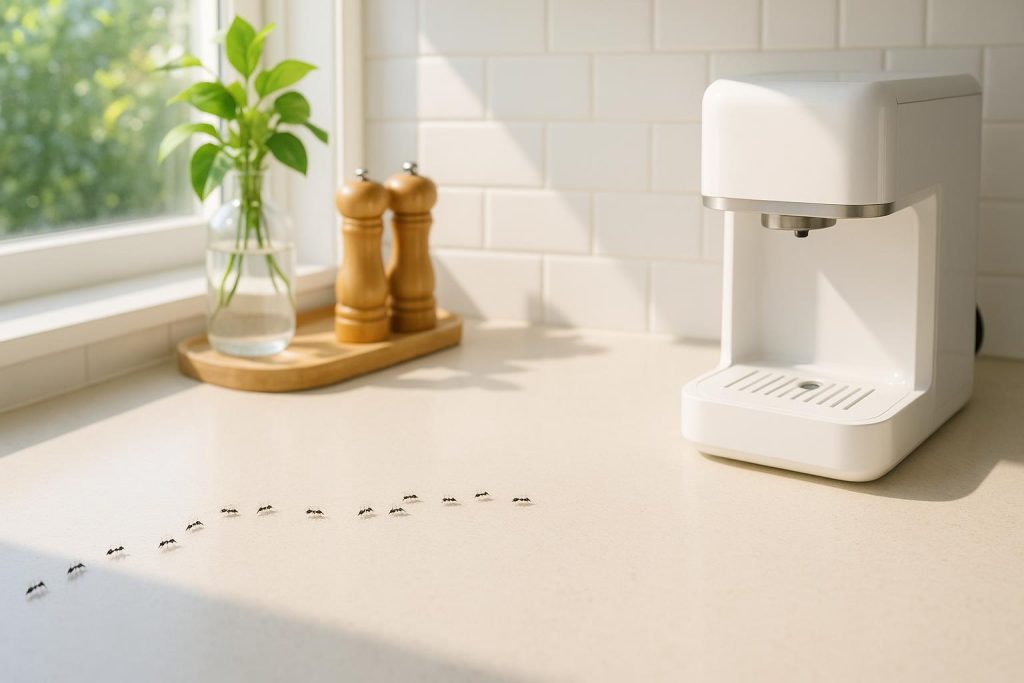
Understanding Cockroach and Ant Infestations in Kitchen Appliances
When it comes to unwanted visitors in the kitchen, ants and cockroaches often top the list of pests homeowners worry about the most. These insects are attracted to food sources, moisture, and warmth—key elements found in and around kitchen appliances. But which one is more likely to invade those appliances first? The short answer is that it depends on a variety of factors, from the type of pest present to the condition of the kitchen. In this expanded guide, we’ll walk you through why ants and cockroaches target appliances, how to spot the early signs of an invasion, and what you can do to protect your home. By understanding both pests and adopting practical prevention strategies, you can maintain a well-guarded, healthy kitchen.
Why Kitchen Appliances Attract Ants and Cockroaches
Modern kitchens have everything pests need to thrive: warmth from appliances, moisture from leaks or condensation, and plenty of crumbs or leftover food remnants. Whether it’s your dishwasher, stove, or coffee maker, these appliances can inadvertently provide small spaces for insects to hide and access to nourishment.
Warmth: Many appliances produce heat, creating cozy pockets where ants or cockroaches can take shelter. Appliances like refrigerators (especially around the motor), dishwashers, and ovens often have hidden nooks that remain comfortably warm even when not in use.
Moisture: Both ants and cockroaches need a water source. A dishwasher or a leaky refrigerator line can provide the reliable moisture they seek. Even small drips can be enough to sustain them.
Food Residue: Malfunctioning door seals or gaps in appliances can allow food scraps to accumulate, which draws pests looking for an easy meal. Cockroaches, in particular, are known to feed on virtually anything organic—from grease splatter under the stove to crumbs stuck behind a refrigerator.
How Ants Differ from Cockroaches
While ants and cockroaches share a love of warmth, moisture, and food, their behaviors differ in some important ways that may influence which pest is more likely to invade your appliances.
- Colony Lifestyle (Ants): Ants live in highly organized colonies that can contain thousands of individuals. They’re often driven to building nests near steady food sources, which can include the kitchen. If ants discover a reliable supply of crumbs in or around appliances, they’ll repeatedly venture in and out, forming trails for other worker ants to follow.
- Solitary vs. Group Hiding (Cockroaches): Although cockroaches don’t form the kind of organized colony you see with ants, they can still gather in substantial numbers. Roaches can reproduce quickly, and once a small population finds a suitable spot around your appliances, it’s only a matter of time before they spread. Cockroaches typically prefer dark, enclosed areas close to water and food—making kitchen appliances attractive.
- Foraging Patterns: Ants are more often found marching in trails across countertops or around appliances. Cockroaches are usually more active at night, scurrying in the dark to find food or moisture. That said, a large cockroach presence can also lead to daytime sightings.
Signs You May Have Ants in Your Kitchen Appliances
Ants are more visible during the day, so spotting them is often easier than identifying a hidden cockroach population. Some common indicators of ants in your appliances include:
- Trails of Ants: A line of ants marching to and from an appliance is a sure sign that they’ve found a food or water source within.
- Ant Nests Nearby: By removing kitchen panels or examining spaces between walls and cabinets, you might find soil, wood shavings, or other nest-building debris if ants have set up a colony nearby.
- Frequent Sightings on Countertops: Because ants send out scouts to scope new food sources, you might see them crawling around your counters before they direct the rest of the colony to follow.
If you suspect an ant problem, it’s wise to take action early. Ants can quickly increase in number and become a persistent nuisance. A clean kitchen, combined with proper sealing of entry points, is essential. For professional help dealing with persistent ant problems, learn more by visiting our Ants service page.
Signs Cockroaches Are Targeting Your Appliances
Cockroaches are nocturnal insects, making it less likely you’ll see them out in the open—especially during daylight hours. But there are noticeable signs of a cockroach presence in your kitchen appliances:
- Droppings: Small, dark droppings (sometimes resembling ground pepper) in or around appliances indicate cockroaches may be living there.
- Egg Casings (Oothecae): Cockroaches lay small, brownish egg casings in hidden areas. Finding these near or underneath appliances is a red flag.
- Musty Odors: A strong or musty odor in confined areas can be a telltale sign of a cockroach infestation.
- Nesting Material: Cockroaches might gather bits of debris in dark corners. You may notice the remnants when you move your fridge or open up an access panel.
Early observation is crucial. Cockroaches can reproduce rapidly once they find a suitable environment. They seek out cracks, cables, or small openings in your kitchen appliances where they feel safe. To explore how to handle cockroach issues, consider looking into our Cockroaches service page.
Which Is More Likely to Invade—Ants or Cockroaches?
Determining which pest is more likely to invade your kitchen appliances depends on the conditions in your kitchen:
- Excess Moisture: If there’s water leakage around or inside an appliance, cockroaches may see it as an ideal nesting spot because they depend heavily on a steady water supply. Ant species attracted to damp areas could also move in.
- Frequent Food Debris: Kitchens with persistent crumbs or unsealed food containers often provide a baited environment for both ants and cockroaches. Ants can be more blatant, forming trails; meanwhile, roaches feed in secret at night.
- Cracks and Entry Points: Seemingly insignificant gaps in your kitchen can be enough for ants and cockroaches to access an appliance’s warm interior.
If your kitchen tends to stay clean and dry, ants may be more likely to move on from your home. Cockroaches, however, only need small amounts of moisture and leftover grease to stick around. Ultimately, a neglected kitchen environment can attract both pests in equal measure, turning your appliances into shared hiding spots.
Preventive Measures to Keep Pests Out of Appliances
Prevention is key. Both ants and cockroaches thrive on easily available food and water sources. The following steps can dramatically reduce your chances of an infestation:
- Keep Surfaces Clean: Wipe countertops and appliance surfaces daily. Make sure no crumbs or grease residue remain after cooking. This is especially critical around hidden areas like under the stove or behind the refrigerator.
- Eliminate Moisture: Check for leaks or pooling water under sinks, around dishwashers, and near refrigerator lines. Fix any issues immediately. Even a small leak can become a major draw to pests.
- Secure Food Storage: Store pantry items like sugar, flour, and cereals in sealed containers. Pets’ food dishes can also attract ants and roaches, so keep an eye on spillage or leftover kibble.
- Seal Entry Points: Check around windows, doors, and appliance connections for gaps. Caulk or seal any holes to minimize potential pest entry.
- Appliance Maintenance: Regularly clean behind and beneath appliances. Vacuum out dust and debris that might accumulate near motors and other warm spots where pests could hide.
Safe and Low-Impact Pest Control Options
When dealing with insects like ants or cockroaches, immediate removal methods need to be thorough and targeted. Birch Fumigators employs strategies designed to be as eco-friendly and low-impact as practical, while still achieving reliable results. Unlike wildlife cases—where humane relocation can be an option—ants and cockroaches require more direct methods. The goal is to remove or eliminate the infestation without exposing you, your family, or your pets to unnecessary products or risks. With a focus on professional application, we tailor our approach to each situation to ensure effective, long-term protection.
When Professional Help Is Needed
Responding quickly to early signs of ants or cockroaches is the best way to prevent a more serious infestation. Home remedies may temporarily reduce pest numbers, but once they form a foothold in your kitchen appliances, professional pest control makes a significant difference. Here are some indicators that it’s time to call in the experts:
- Multiple Sightings: If you keep seeing ants or roaches—especially during the day—it often indicates a growing population.
- Persistent Odors: A strong or musty smell, even after cleaning, can suggest hidden nesting areas.
- Damage to Appliances: If you find evidence of wiring damage or see pests scattering when you remove appliance panels, it’s time for a professional inspection.
- Spread to Other Rooms: Pests that have spread beyond the kitchen into pantries, bathrooms, or living spaces often indicate a larger, more entrenched infestation.
Professional pest control technicians have the tools and know-how to trace the source of the infestation, remove the pests, and prevent them from returning. It’s not just about treating the symptoms—long-term prevention is key to keeping your home pest-free.
Why Local Expertise Matters
If you live in an area like Edmonton or other parts of Alberta, you know the seasonal cycles that affect pest populations. From freezing winters to humid summers, the climate can shift how ants and cockroaches behave. Local pest control professionals understand these seasonal patterns and can help you create an all-year prevention plan. By staying ahead of the temperature swings, you’ll reduce the likelihood that pests will settle into your appliances in the first place.
Long-Term Kitchen Pest Prevention Tips
Besides taking immediate action for ants or cockroaches, establishing long-term prevention habits goes a long way. Consider the following:
- Routine Deep Cleaning: Schedule reminders to pull out your refrigerator and stove at least once a month to vacuum or sweep behind them.
- Regular Appliance Inspections: Whether you’re a homeowner or a landlord, periodically inspect your dishwasher, microwave, and other appliances. Look for cracks and check the seals.
- Monitor for Drips and Leaks: Appliances that involve water lines (like ice makers or dishwashers) can develop leaks. Catching these early keeps pests away.
- Use Trash Bins with Sealed Lids: Kitchen garbage should be sealed and taken out regularly. Trash can corners harbor small spills that might lure insects.
- Check Grocery Bags: Sometimes ants and even roaches hitch a ride into your home via grocery bags or cardboard boxes. Unpack items on a clean surface and discard boxes promptly.
Adopting a Proactive Mindset
Ants and cockroaches don’t appear in your kitchen appliances overnight. They arrive because the environment meets their needs. Eliminating easy food sources, controlling moisture levels, and performing regular inspections are your best defenses. Simple, routine efforts—like wiping down counters, sealing entry points, and maintaining appliances—can make your home significantly less attractive to pests. Once you shift to this proactive mindset, you’ll find that serious infestations become far less frequent.
When to Seek Professional Advice
Even with the best precautions, it’s possible you’ll encounter a persistent pest that’s difficult to remove. If your DIY efforts aren’t working, or if you notice the pests returning soon after you think you’ve eradicated them, it may be time to connect with a licensed pest control professional. Experts can identify specific species, locate hidden entry points, and create a tailored plan that aligns with your household’s needs.
Need support with persistent ants or cockroaches? Our team at Birch Fumigators is here to assist with professional, family-friendly solutions designed to safeguard your kitchen and eliminate any pests that have taken up residence in your appliances. We prioritize methods that effectively address the problem while minimizing impact on your home environment.
Wrapping Up: A Balanced Approach to Pest Control
Neither ants nor cockroaches belong in your kitchen appliances, but these common household pests are notorious for taking advantage of favorable conditions. Whether the culprit is an ant colony drawn by lingering crumbs or a family of cockroaches seeking warmth and moisture, there are steps you can take to make your home less appealing. By maintaining a clean, dry space, sealing off potential entry points, and adopting regular appliance maintenance, you significantly reduce the risk of infestation. Should an issue persist, professional pest control services stand ready to help pinpoint the root causes, remove the insects, and guide you toward a sustainable, long-term solution.
Still have questions, or unsure how to handle ants or cockroaches in your kitchen? Remember that you don’t have to tackle an infestation alone. Reach out to a trusted team with local expertise for tailored guidance specific to your home. Together, we can ensure that your kitchen remains a comfortable, pest-free environment.