
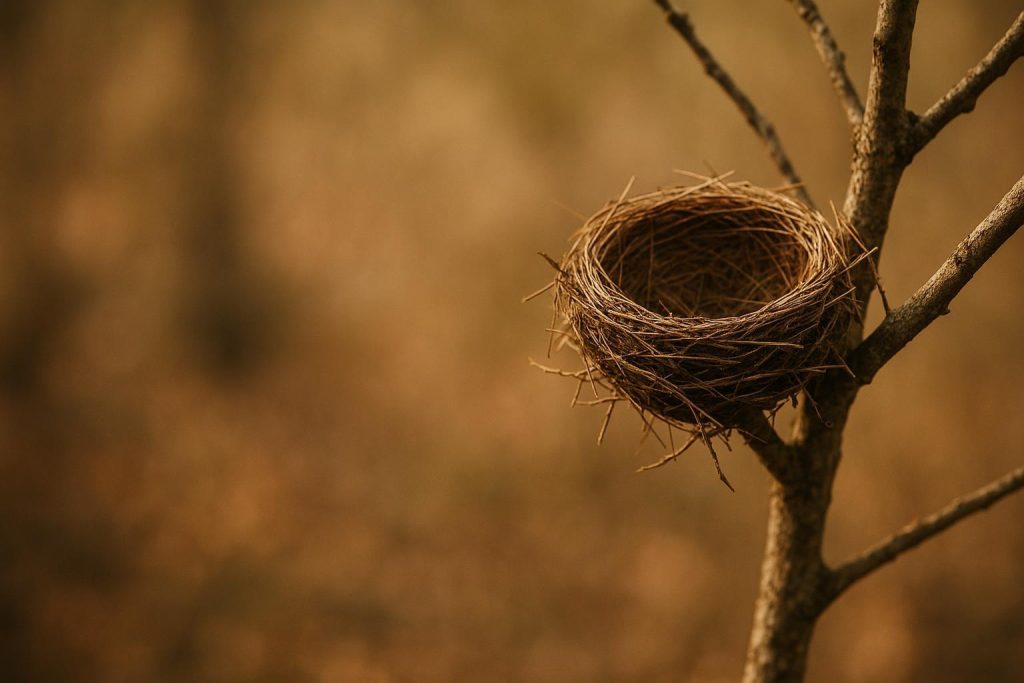
Why You Should Avoid Removing a Bird Nest Yourself
It may be tempting to address a bird nest on your own—especially if it’s in a spot that poses an inconvenience or seems to attract unwanted activity. However, removing a bird nest yourself can lead to legal issues, potential danger to both the birds and you, and can even make the problem worse in the long run. In many places, birds and their nests are protected by law, underscoring the importance of using humane, professional approaches. This detailed guide explains why it’s best not to remove a bird nest yourself and what safe, responsible steps you can take instead.
The Risks of DIY Bird Nest Removal
Birds often construct nests in roof vents, soffits, window ledges, or other nooks that provide shelter. It might seem harmless to remove a nest to protect your property or clear a high-traffic area. Yet there are several risks to consider:
- Legal Concerns: Many bird species, including their eggs, nests, and offspring, are safeguarded under federal and provincial laws in Canada. Disturbing or removing an active nest without authorization could lead to legal penalties.
- Higher Stress and Harm: Removing a nest disrupts the natural behavior of birds, often causing significant stress on the parents and newly hatched chicks. In some cases, it can even be fatal for nestlings.
- Unintended Consequences: Without proper knowledge of bird biology and nest-building cycles, a hasty removal or displacement could cause the birds to rebuild quickly and more aggressively, multiplying your frustration.
- Personal Safety Risks: Climbing onto roofs, reaching into vents, or handling bird droppings pose health hazards. Bird droppings can contain pathogens that may be harmful if inhaled or handled improperly.
Understanding Why Birds Nest Around Homes
Birds choose locations that offer shelter and accessibility to food and water. Eaves, soffits, and vents can provide excellent protection from predators and seasonal weather shifts—making these parts of your home prime nesting spots. Understanding the factors that encourage birds to nest around your property can help you find safer, more effective ways to prevent future nesting without harming local wildlife.
Seasonal Behavior
Nesting behavior typically occurs in the spring and summer months, though timing can vary by species. During nesting season, certain birds become especially territorial or protective, which can escalate the difficulty of removing the nest—even for professionals.
Attractants Around the Home
Easy access to food sources, such as bird feeders or fruit-bearing trees, can draw birds to your property. Sometimes, leftover seeds or household scraps in outdoor trash bins might also play a part. Ensuring these potential food sources are properly managed can be an effective first step in minimizing future nest-building.
Dangers of Bird Droppings and Nesting Debris
Bird droppings can carry diseases, including fungal and bacterial infections. When cleaning up areas with heavy droppings, it’s crucial to use protective equipment and follow recommended safety protocols. Additionally, nesting materials may harbor parasites like mites or fleas. These pests can spread to other areas of your home if the nest is disturbed improperly. Without professional handling, you risk spreading contamination or exposing your family and pets to potential health problems.
Legal Protections for Birds
In Canada, many bird species are protected under the Migratory Birds Convention Act or provincial legislation. This means that it is illegal to remove or disturb an active nest containing eggs or chicks, unless specific permits have been issued by the relevant agencies. This legislation is designed to support native bird populations and their survival. Attempting to remove a nest without knowing the species or whether it’s active can put you at risk for fines or legal consequences.
Why Professional Assistance Matters
Professional pest control companies with wildlife experience know how to determine if a nest is active, identify the bird species, and evaluate whether a removal (or move) can be done legally and safely. Here are some key advantages of seeking professional help rather than embarking on a do-it-yourself approach:
- Species Knowledge: A knowledgeable professional can distinguish one type of nesting bird from another. For instance, some species may be relocated with permits, while others must be left alone until the nesting cycle is complete.
- Safe and Humane Approaches: Trained teams prioritize minimal stress to the birds, often exploring solutions that let the nestlings fledge naturally if possible. Ethical treatment protects both the birds and your property in the long term.
- Proper Exclusion and Prevention: After the nesting season, professionals can seal entry points and advise on modifications to prevent birds from returning. This might include installing mesh over vent openings, fixing gaps in soffits, or removing easy food sources around your yard.
- Adherence to Laws and Regulations: Avoid penalties or unintended harm by entrusting the process to people who are well-versed in wildlife regulations. Professionals can guide you on what can and can’t be done without the required permits.
When Can a Bird Nest Be Removed?
In most cases, an “active” nest—one containing eggs or chicks—cannot be disturbed. However, once the young birds have left, professional pest control or wildlife experts can remove the now-abandoned nest, clean up droppings or damaged materials, and perform proper sanitation. This critical timing ensures that you’re not breaking any laws or interfering with survival rates.
Preventing Bird Nests from Coming Back
Even after a nest is removed or the young have fledged, proactive measures keep birds from returning the next season. Some steps include:
- Installing Barriers: Mesh covers, screens, or vent guards can help block birds from entering openings in vents or soffits.
- Securing Trash and Food Sources: Ensure garbage containers have tightly sealed lids. If you have fruit-bearing trees, consider routine cleanup of fallen fruit.
- Trimming or Modifying Landscaping: Overgrown shrubs and trees near your home create appealing shelter. Keeping vegetation neatly pruned can discourage birds from nesting too close to entry points.
- Consulting Professionals: A trained pest control professional can conduct a thorough inspection to pinpoint vulnerabilities on your property and advise on long-term bird prevention strategies.
Maintaining Ethical and Safe Standards
Any approach to bird nest removal or prevention should focus on humane methods and overall respect for wildlife. While Birch Fumigators employs safe, eco-friendly solutions for insects and rodents, it’s equally important to handle bird-related issues with compassion and legality. Remember, removing a nest by force or ignoring the well-being of the bird family can have serious repercussions for dozens of avian species that rely on safe nesting sites.
If you notice repeated bird activity, unusual aggression, or have concerns about droppings accumulating in vents or attics, consider reaching out to a professional who has the specialized knowledge to handle bird nest removal in a responsible, legal manner. This not only contributes to the preservation of local bird populations but also ensures the safety and cleanliness of your home.
Avoiding DIY Mistakes
Bird nests in vents or near doorways sometimes prompt homeowners to take immediate action—like using a high-pressure hose, rakes, or other methods that might scare or injure the birds. DIY removal attempts can lead to:
- Injured or Orphaned Chicks: If young birds are present, they could be harmed or abandoned when the parents are driven away.
- Structural Damage: Aggressive nest removal might damage ducts, shingles, or venting systems, causing higher repair costs over time.
- Lawsuits or Fines: Well-intentioned homeowners may unknowingly break wildlife regulations, facing potential penalties if reported.
Guidance from Professionals
Seeking expert advice can help you avoid these pitfalls. A professional technician will carefully evaluate the location, species, and state of the nest, offering safe solutions that meet your property’s needs. If you’re unsure about what steps to take or suspect that a nest on your property could cause problems, you can reach out for more information and guidance from a licensed pest control or wildlife service. In the meantime, maintain distance and avoid stressing the nesting birds.
Key Takeaways
- Many bird nests are protected by law, making unauthorized removal a significant risk.
- DIY removal can be harmful to both you and the birds—through exposure to parasites, disease, or even falls from heights.
- Active nests containing eggs or chicks should generally never be disturbed unless you have obtained proper permits and expertise.
- Once birds have vacated, a qualified professional can remove the nest and identify preventative measures to deter future nesting.
- Working with a knowledgeable team ensures any actions are humane, legally compliant, and effectively protect your property in the long term.
Still have questions? Feel free to contact our team for expert advice on safe and lawful approaches to managing bird nests on your property. Even if you decide not to proceed with professional removal, having a clear idea of the proper steps and regulations helps protect both local wildlife and your own peace of mind.