
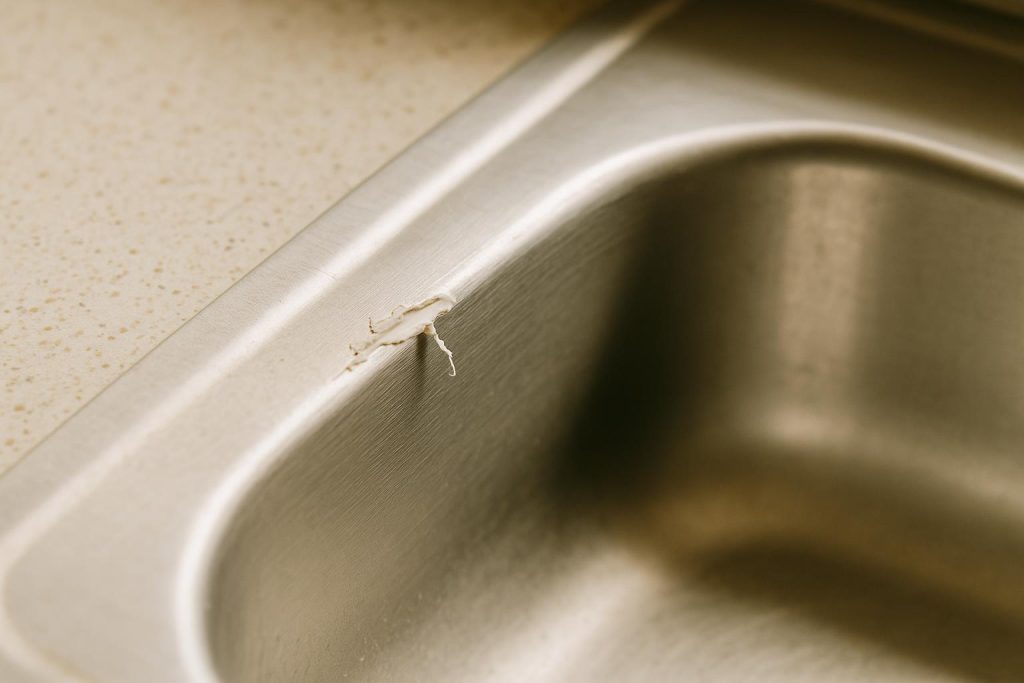
Why Peeling Caulk Around the Sink Can Lead to Pest Issues
When homeowners notice the caulk around their kitchen sink starting to peel or crack, the typical reaction is to think about cosmetic repairs. While appearance is important, peeling or damaged caulk can also have a serious impact on pest control efforts. For pests large and small—including ants, mice, and cockroaches—even a tiny gap is enough to gain access to the kitchen where food and water are abundant. Understanding why peeling caulk matters, how it can turn into a pest entry point, and what you can do to prevent an infestation is a critical step toward maintaining a pest-free home.
Below, we will explain the common reasons caulk breaks down, how that deterioration can attract pests, and the best ways to repair or replace it for long-term results. Whether you have a mild concern or a more serious pest problem on your hands, it all starts with taking a close look at the integrity of your kitchen's caulking.
1. How Peeling Caulk Encourages Pest Entry
When caulk forms a tight seal around your sink and between countertops, it prevents not only leakage of water but also air exchange. The moment caulk starts to peel, these mini-gaps become passageways for pests seeking out warmth, moisture, or food residue. Because kitchens are full of tempting crumbs, standing water, or grease traps, the area beneath a sink is especially appealing to insects and rodents. Even the smallest crack around plumbing fixtures can act like an express lane for nuisance pests.
For example, ants often follow water sources and can slip through minute openings to access damp wood or leftover bits of food. Learn more about ants if you suspect they might be finding a way into your kitchen. Meanwhile, mice can squeeze through a hole only a fraction of an inch wide. They gravitate toward kitchens and pantries, which is why those seemingly harmless gaps around the sink perimeter should not be ignored. Discover how mice invasions are managed if you need more specific details.
2. Why Does Caulk Peeling Occur?
Several factors contribute to peeling or cracking caulk:
- Age of the Caulk: Even high-quality caulk isn't meant to last forever. Over time, it loses elasticity and starts to degrade under normal wear and tear.
- Improper Application: If the sink or countertop wasn't prepped properly—say there was residual grease, moisture, or old caulk—the new caulk's bond could weaken prematurely.
- Frequent Water Exposure: Moist environments accelerate caulk deterioration. Around the sink, daily splashes or minor leaks cause it to degrade faster than in drier areas of the home.
- Temperature Fluctuations: Rapid or extreme changes in kitchen temperature can cause expansion and contraction of surfaces, stressing the caulk and leading it to crack.
Regardless of the exact reason, once your caulk begins to peel, moisture and pests are more likely to slip in.
3. Common Pests Drawn to Kitchen Moisture
A surprising range of pests are attracted to peeling caulk around the sink due to the moisture and food availability:
- Ants: Ants frequently appear near damp wood or leftover food. Once they discover an entry point, trails of ants can appear almost overnight.
- Cockroaches: Drawn to dark, damp areas, cockroaches might nest behind cabinets or beneath a sink if they sense water and shelter.
- Mice: Rodents constantly search for a steady food source and water supply. Even a small opening around a drainpipe or peeling caulk can function as a breach.
- Wasps: While wasps often build nests outdoors, broken seals around windowsills or siding near your kitchen could allow them to push in. If you notice wasps buzzing in or near your kitchen walls, you'll want to block those gaps quickly. Wasps can be far more than a mild nuisance.
Recognizing which pests might be lurking is an important step toward implementing a proper repair or treatment plan. If the problem does become significant, seeking professional pest control advice can help restore a pest-free environment.
4. Risks Associated with Damaged Caulk
Beyond the annoyance of seeing an unsightly crack in your otherwise clean kitchen, a breach in your sink's seal can create other challenges. One of the most important concerns is hidden water damage. Even a slow trickle can lead to damp conditions that pests love. Water accumulation can rot wooden supports and produce mold, which often spreads behind the scenes before you notice it. Mold and mildew also attract certain insects, resulting in a heavier infestation if left unaddressed.
There is also the matter of sanitation. A compromised seal around the sink can harbor microbes, making it more difficult to keep your counters or sink area truly clean. This increases the likelihood of cross-contamination during food preparation. Finally, repeated crack repairs or water damage can lead to higher maintenance bills down the road.
5. How to Properly Re-Caulk Your Sink
Since preventing pest entry is easier than dealing with an active infestation, proper re-caulking is a major preventative step you can take:
- Remove Old Caulk: Carefully scrape away any loose or peeling material using a caulk removal tool or a blade designed for this job. Take care not to gouge surfaces in the process.
- Clean the Surface: Thoroughly wash the area around the sink with a mild detergent. Make sure all residue and dirt are gone, then let the area dry completely.
- Apply New, High-Quality Caulk: Look for a kitchen and bath caulk formulated to resist moisture and mildew. Cut the tube tip at a 45-degree angle, then apply a consistent bead along the seam between the sink and the countertop.
- Smooth the Bead: Wearing a glove or using a smoothing tool, flatten the bead to fill any gaps securely. Wiping the bead gently with a wet fingertip can also provide a neat, even finish.
- Allow Proper Curing Time: Most caulks need at least 24 hours to cure. Prevent water or cleaning agents from coming into contact with the fresh caulk until it sets.
Once your new caulk is in place, you effectively seal off that gateway for pests. This step alone drastically reduces the possibility that ants, mice, or other unwanted critters will waltz into your kitchen seeking a meal. Keep an eye on the freshly cured area for any signs of bubbles or curling edges—address them quickly if they appear.
6. Additional Tips for Maintaining a Pest-Free Kitchen
Maintaining the sink's caulk is only one piece of preventing pests from getting too comfortable in your home. Consider the following ongoing measures to create an environment that pests will find unfriendly:
- Repair All Water Leaks Promptly: Whether it's a leaky faucet or a drip under the sink, moisture is a primary attractant for pests.
- Keep Counters Tidy: Wipe up spills and food debris as soon as you see them. Crumbs left by the sink are practically an invitation for ants or cockroaches.
- Store Food in Sealed Containers: Prevent pests from detecting scents of cereals, grains, or pet food by using airtight containers.
- Empty Garbage Regularly: Kitchen trash bins are magnets for insects and rodents, especially when moisture and food waste mix.
- Address Gaps Around Doors and Windows: Just like peeling caulk, damaged weatherstripping or cracks in the exterior can create easy pest pathways.
By adopting simple, consistent habits, you reduce the risk of pests making themselves at home—in your home.
7. When to Consider Professional Help
Even if you faithfully monitor your caulk and keep your kitchen pristine, sometimes pests still find a way inside. This is especially true in older buildings or when living in regions with a known prevalence of certain pests. If you suspect a more serious problem, or if you've addressed the obvious entry points around your sink yet pests continue to linger, it may be time to reach out to a professional pest control team.
Professional services can help inspect areas of your home that you might not typically see, such as the cavity under the sink cabinet or tight crawl spaces. Pest control specialists can locate less-obvious entry points, diagnose any emerging infestations, and recommend a tailored plan for removal and prevention. This could include targeted safe treatments for spiders or other insects that have slipped into the kitchen, or an approach to manage a hidden rodent nest.
While many simple pest issues are solvable through thorough sealing, diligent cleaning, and do-it-yourself methods, a persistent or more established infestation might require professional assistance for peace of mind.
8. The Value of Early Prevention
Waiting to address caulk issues until you notice pests can lead to higher costs in the long run. Not only might you have to re-caulk, but you could also need to replace water-damaged cabinetry, treat mold, or invest in full-scale pest control programs to get rid of infestations.
Early prevention usually means regular home inspections. Check the caulk around your sinks, counters, tubs, and showers twice each year. The best times to do these inspections might be at the transition periods between winter and spring and again at the end of summer going into fall. These seasonal changes tend to signal shifts in pest activity, so confirming that any potential entry points are still sealed tight lessens the risk of unwanted visitors.
9. Fostering a Safe, Pest-Free Environment
Above all, the goal is to create a home environment that is both comfortable and hygienic for you and your family. Caulk maintenance, along with attention to cleaning, food storage, and moisture management, can go a long way in deterring pests. Consistency is key: Just as pests are opportunistic, your best defense is to be proactive and vigilant.
If peeling caulk around your kitchen sink is already causing concern, don't wait to take action. Re-caulking is a straightforward project you can manage, or you can hire a reputable professional if you'd prefer expert insights on products, application, and long-term sealing techniques. Remember, safeguarding your kitchen against a potential pest problem is less about quick fixes and more about consistent upkeep.
10. Still Have Questions?
When it comes to caulk, sinks, and pest control, staying informed is your first line of defense. If you're unsure what steps to take or if you suspect a hidden infestation, we're happy to point you in the right direction—just reach out. Need support with this issue? Birch Fumigators is here to assist. We offer guidance and treatments that are safe for families, pets, and the environment while effectively addressing pest concerns. If you suspect a pervasive issue—such as bed bugs or cockroaches—getting support early is the best way to maintain your peace of mind.
By frequently checking the condition of your caulk and acting swiftly on any visible signs of peeling or cracking, you can significantly reduce the risk of giving pests an invitation to your kitchen. Combine this approach with consistent cleaning and simple, proactive preventive measures, and you'll help ensure that your kitchen remains a space for cooking, gathering, and feeling at ease—without unwelcome guests.