Mosquito Repellents: How Effective Are Dryer Sheets?
Many people are curious about whether dryer sheets can help keep pesky mosquitoes away. The belief is that dryer sheets, known for their fresh scents and static-reducing properties, might also mask the scents that attract mosquitoes. While there is some anecdotal evidence suggesting dryer sheets could offer minor benefits, it is essential to explore how mosquitoes are drawn to humans, why dryer sheets might or might not work, and which options provide more reliable protection overall.
Understanding Mosquito Attraction
Mosquitoes are insects that thrive on warmth, moisture, and an ample food source. That food source, in most circumstances, is blood. Mosquitoes use several cues to find people, including:
- Carbon Dioxide: Humans and animals exhale carbon dioxide, which mosquitoes can detect from a fair distance. When you breathe out, you become a magnet for these insects.
- Body Odor: Sweat and the natural chemicals on your skin produce scents that can either attract or deter mosquitoes, depending on how those scents mix with your personal chemistry.
- Heat: Mosquitoes are drawn to body heat. When you’re active and your body temperature rises, it might increase your visibility on the mosquito “radar.”
The combination of carbon dioxide, heat, and certain natural odors can make one individual more “appetizing” than another when it comes to mosquito preference. Understanding these reasons is key to seeing why dryer sheets alone may not provide significant or long-lasting protection against these insects.
Why Dryer Sheets Are Considered a Home Remedy
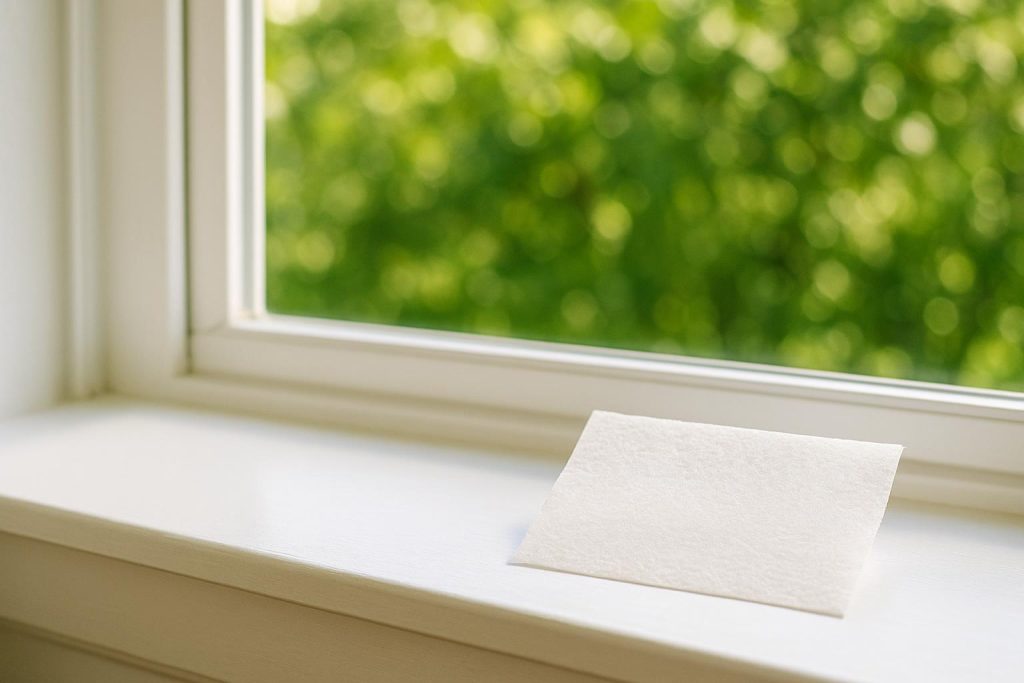
Dryer sheets are best known for their ability to soften fabrics and reduce static cling. After tossing them into your clothes dryer, you might have noticed a pleasant scent on your clothing. This fragrance often comes from chemicals designed to keep laundry smelling fresh. Some people speculate that these chemicals could repel mosquitoes in two possible ways:
- By masking or changing your natural odor so mosquitoes can’t detect you as easily.
- By emitting a fragrance that mosquitoes dislike, driving them away.
While there is some anecdotal evidence suggesting dryer sheets work for a handful of people, scientific studies have yet to confirm a broad or consistent effect of dryer sheets on mosquito populations. In other words, if dryer sheets do repel mosquito activity, it appears to be on a limited scale.
How to Use Dryer Sheets for Mosquito Protection
If you want to try using dryer sheets as a DIY mosquito repellent, you can:
- Tuck them into clothing: Place a dryer sheet in a shirt or pants pocket, or slip one into your socks. The scent may create a slight barrier, though the barrier might not be strong.
- Wear them on accessories: Attach a dryer sheet to a belt loop or hat using a small clip; this can keep the sheet close, so the scent is always near your person.
- Place them around seating areas: Outdoors, you could hang fresh dryer sheets near seating areas. Some people keep them under chair cushions or beneath tablecloths in attempt to reduce mosquito intrusion.
These methods are easy to try and work best in mildly infested areas. But it’s important to remember that dryer sheets alone are not typically strong enough to protect against bites in high-mosquito regions—especially those near bodies of water or in humid climates where these insects flourish.
Limitations of Dryer Sheets
There are many reasons dryer sheets might not be the go-to strategy for repelling mosquitoes:
- Short-Term Scent: The fragrance on a dryer sheet fades rather quickly. Once the scent dissipates, you lose any potential repelling effect.
- Individual Differences: Some people’s natural body odor can overpower the subtle fragrance of dryer sheets if they’re sweating or if their personal scent chemistry is distinctly appealing to mosquitoes.
- Lack of Proven Efficacy: While there’s plenty of experiential chatter about dryer sheets, the scientific research is limited. It’s never been conclusively proven they can compete with conventional repellents.
Consequently, relying solely on dryer sheets might give you a false sense of security. If you’re outdoors during peak mosquito activity and you’re depending entirely on a sheet tucked in your hat, you could end up with bites anyway.
Other Factors Affecting Mosquito Activity
A few different environmental and individual factors can affect how many mosquitoes you’ll encounter at any given time, including:
- Standing Water: Mosquitoes lay eggs in water. Any stagnant sources like puddles, birdbaths, or buckets can be mosquito breeding grounds.
- Time of Day: Many species of mosquitoes are most active at dawn and dusk. During these hours, you have a higher chance of being bitten.
- Regional Climate: Warmer climates can support larger mosquito populations. Humidity also plays a big role—mosquitoes love moist environments.
Even with dryer sheets, these factors won’t change. To be more effective, you’ll want to reduce or eliminate standing water around your home, and coordinate your activities to avoid peak biting times if you can.
EPA-Approved Mosquito Repellent Options
When it comes to better coverage against mosquito bites, professional pest control experts and most public health authorities recommend using repellents that have been tested and recognized for their safety and effectiveness. Some common active ingredients include:
- DEET (N,N-Diethyl-m-toluamide): Widely recognized for its effectiveness in warding off mosquitoes, DEET-containing products are available in various concentrations.
- Picaridin: Another popular and effective option, picaridin-based repellents are odorless, making them attractive to individuals sensitive to strong scents.
- IR3535: This synthetic ingredient is found in some lotions and sprays. It repels mosquitoes, ticks, and other biting insects.
- Oil of Lemon Eucalyptus: A plant-based alternative, this oil has shown promising results in reducing mosquito landings and is recognized by certain regulatory bodies.
Choosing a repellent method that’s been vetted and proven can help you enjoy your outdoor activities more comfortably and lower your risk of mosquito-borne diseases. It’s also a good idea to follow directions on labels and reapply as needed, especially if you’ll be outdoors for an extended period or in a high-infestation area.
Safe, Professional Mosquito Control Methods
While not all pest control services focus on lawn and garden mosquito treatments, there are many ways professionals can help reduce or manage mosquito populations. These might include:
- Inspections: A pest control technician can thoroughly check your property for hidden breeding spots, such as gutters, tarps, or anything else catching water.
- Larvicide Treatments: Applying products designed to prevent mosquito larvae from maturing, especially in standing water where it’s not feasible to eliminate or drain the source.
- Barrier Sprays: Some licensed professionals offer targeted mosquito treatments around a yard to lessen adult mosquitoes’ presence, allowing for a more pleasant outdoor space.
That said, if your primary concern is an occasional outing or camping trip, safe, EPA-approved personal repellents may be more suitable than scheduling a service. On the other hand, if you have a constant swarm of mosquitoes around your residence, it could be wise to contact a local pest control company for advice or more structured prevention strategies.
Combine Methods for Better Protection
Dryer sheets are just one piece in a puzzle of mosquito deterrents. For improved results, try combining multiple strategies, such as:
- Wearing Protective Clothing: Long-sleeve shirts, pants, and socks can limit exposed skin. Light-colored fabrics may be less appealing to mosquitoes than dark hues.
- Using Quality Repellents: Select an effective repellent with an active ingredient known to deter mosquitoes, re-applying as recommended.
- Setting Up Fans: Mosquitoes are weak fliers. A simple fan blowing air across your porch, patio, or campsite may help keep them away.
- Removing Standing Water: If you eliminate mosquito breeding sites on your property, you greatly reduce their population.
- Choosing the Right Time: If possible, plan your outdoor events or chores outside dawn and dusk, when activity peaks.
By mixing multiple approaches, you can enjoy a higher chance of sustained mosquito relief than by relying on any single solution.
Frequently Asked Questions About Mosquitoes and Dryer Sheets
1. Can I rely solely on dryer sheets to repel mosquitoes?
While dryer sheets might temporarily mask certain scents, they are rarely reliable enough to be your sole defense. In areas with a high mosquito population, you’ll get better protection from an EPA-approved mosquito repellent.
2. Do all scents work equally well?
Not all fragrances are created equal when it comes to keeping mosquitoes away. Some people swear by certain botanical scents—like citronella—while others claim results with dryer sheets. Even then, these experiences vary from person to person. The consistent factor is using multiple protective methods.
3. Are dryer sheets safe to use on my skin?
Dryer sheets aren’t designed to be applied directly to the skin. The chemicals they contain are approved for fabric use, which is different from skin application. If you do choose to keep them in pockets or clothing, do so carefully and discontinue if you have any skin irritation.
4. What if I prefer natural or non-toxic treatments?
If you prefer a more natural approach, consider repellents containing oil of lemon eucalyptus or other botanical ingredients recognized for their effectiveness. You can also utilize practices like wearing protective clothing, placing fans around social areas, and eliminating breeding grounds to reduce mosquito presence.
Fitting Dryer Sheets Into a Holistic Mosquito Defense
If you like the scent of dryer sheets and you feel confident they mildly reduce your mosquito encounters, it can’t hurt to keep them around as a secondary measure. Place them in strategic spots or wear them while enjoying the outdoors, but do not expect them to solve the problem of mosquitoes on their own.
When conditions are truly mosquito-heavy, taking extra steps is worth the effort. An effective combination approach—featuring proven repellents, removing standing water, and using physical barriers like screens or nets—is more likely to protect you. True peace of mind often comes from layering multiple methods together, ensuring mosquitoes have as few opportunities as possible to land and bite.
When Professional Advice Matters
In some cases, mosquitoes can be more than just an annoyance. When their numbers are significant, or if they’re carrying mosquito-borne illnesses, you may want a more robust plan. A professional pest control provider can help by giving practical recommendations that cater to your unique property and neighborhood. While dryer sheets step in as a temporary measure, reliable and systematic methods deliver lasting relief.
If you find yourself overwhelmed by mosquitoes in your yard or around your property, you might benefit from expert guidance. This guidance could be as simple as a property inspection to identify overlooked breeding areas—like flowerpot saucers with stagnant water—up to more detailed solutions. If you reside in a high-density mosquito locale, don’t hesitate to get in touch with a professional team to figure out a plan tailored to your situation.
Key Takeaways
- Dryer sheets carry a popular reputation for masking scents that attract mosquitoes, but their results aren’t consistently reliable.
- When used alone, dryer sheets are unlikely to offer the same protection as EPA-approved repellents.
- If you do use dryer sheets, combining them with more proven strategies (quality repellents, long-sleeved clothing, and removal of standing water) can reinforce your overall plan.
- Protecting yourself from mosquito-borne illnesses often means employing methods with recognized effectiveness.
There’s no single trick to banish mosquitoes completely, and the same rule applies to dryer sheets. Still, the best way to enjoy a pest-free outdoor experience—be it in your backyard, at a local park, or on a camping expedition—is to layer multiple protective measures, stay mindful of mosquito hot spots, and remain vigilant about how you store or remove standing water. By combining these steps, you can work toward a more comfortable, mosquito-light experience outdoors.
Still have questions? Feel free to contact our team for expert advice. If you’re in an area with high mosquito activity, we’re here to offer further insights and explore safe, effective ways to help you stay bite-free.