
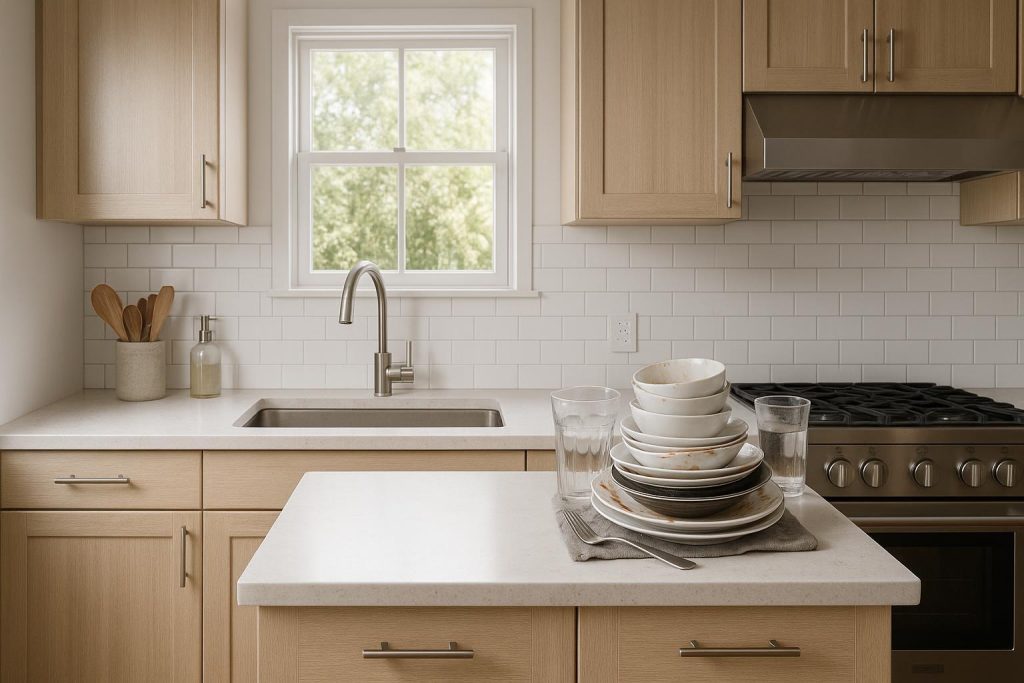
Why Overnight Dirty Dishes Can Invite Unwanted Pests
It’s easy to finish a meal, feel too tired to clean right away, and leave dishes in the sink for the next day. But when you let used plates, utensils, and cookware sit out overnight with leftover crumbs or food residue, it can turn your kitchen into an open invitation for a variety of pests. This article dives deep into why dirty dishes lead to pest problems, which pests you’re most likely to encounter, and how to prevent them from getting comfortable in your home. We’ll also clear up common misconceptions around cleaning, offer helpful tips, and explain when it’s time to reach out for professional pest control support.
The Link Between Food Residue and Pests
Nobody wants to deal with mice scurrying across their floors or cockroaches dashing behind the counters. Yet pests have their own priorities and survival strategies, and they’re incredibly resourceful—especially when it comes to finding food. When dishes are left overnight without being rinsed or washed, the food particles, grease, and oils that remain on those dishes become an attractive food source. Most household pests thrive on easily accessible nourishment, and they can detect these food remnants from surprising distances.
Beyond leftover scraps, the smells from unwashed dishes can linger in the air and draw pests toward your kitchen. Damp dishware with soaked-in food residue further amplifies these scents. Whether it’s a plate covered in sauce or a pan with a layer of cooking oil, all these substances contain nutrients that pests find appealing. A single night of dirty dishes probably won’t spark a massive infestation, but it does increase your risk by sending a clear signal to pests that there’s a reliable food supply available in your kitchen.
Which Pests Are Commonly Attracted?
Many pests have simple needs: food, water, and a place to hide. A kitchen that isn’t cleaned thoroughly can inadvertently meet all three. Here are some of the most common intruders:
- Ants: Ants love sugars and fats, which are in many household foods—from jam or honey to greasy residues on pans. If a few ants find crumbs on dirty plates, they’ll leave a trail to bring the rest of their colony.
- Cockroaches: Cockroaches are some of the most resilient pests and will eat almost anything, including small food particles and even paper goods. A sink full of dirty dishes can serve as a buffet. They often thrive in dark, damp spaces such as the cabinet under the sink, and easily sneak out at night in search of a meal. If you suspect a cockroach issue, you can learn more about potential solutions at https://birchfumigators.ca/pest-control-service/cockroaches/.
- Mice: Mice are adept at finding any food source, and they only need small openings to enter a home. Leftover food on dishes can directly encourage mice to scurry in for a midnight snack. If you see droppings or hear scratching sounds, mice may be making your kitchen their personal diner. Interested in prevention? See our mouse control details at https://birchfumigators.ca/pest-control-service/mice/.
- Flies and Gnats: While they might not be as destructive as cockroaches or mice, flies and gnats can quickly lay eggs on leftover food if it sits for too long. This can lead to an unpleasant population boom of flying insects.
- Spiders: Spiders themselves don’t eat your leftovers, but they may venture into a kitchen already teeming with other insects to catch. An increase in insect presence can lead to more spider webs in corners, cupboards, or near dish racks. If spiders are a concern, you can find more tips at https://birchfumigators.ca/pest-control-service/spiders/.
Health and Sanitation Risks of an Unwanted Guest
When pests find their way into your kitchen, it’s not just a nuisance; it can also be a health concern:
- Food Contamination: Cockroaches, mice, and ants can carry a variety of bacteria. If they come into contact with your utensils or plates, they may spread germs that can lead to foodborne illnesses.
- Allergic Reactions: Many people have allergies triggered by pests, especially cockroaches. Contamination from feces, body parts, or saliva can aggravate symptoms for those with asthma or severe allergies.
- Structural Damage: While the presence of dirty dishes alone may not cause large-scale destruction, some pests—like mice—can cause property damage by chewing through insulation, wiring, and walls as they explore for more food and nesting spots.
Strategies to Keep Pests Out of Your Kitchen
While it isn’t realistic to maintain a spotless kitchen 24/7, these steps can significantly lower your risk of attracting pests with dirty dishes:
- Aim for Regular Cleanups: Rinse dishes right after use to remove the bulk of food residue. If you don’t have time to fully wash them, at least soak them in warm soapy water. This simple act can diminish odors and make the food less accessible to pests.
- Use a Sealed Trash Can: Food scraps thrown in an open bin can quickly draw pests. Utilizing a trash can with a secure lid helps contain smells and keeps insects and rodents from diving in.
- Wipe Down Surfaces: Even if you aren’t doing the dishes immediately, wiping countertops, stoves, and tables to remove crumbs and spills goes a long way. If pests can’t find a consistent source of food, they are more likely to move on.
- Check Under the Sink: Leaky pipes, damp sponges, and overlooked puddles can create a hidden paradise for certain pests, especially cockroaches. Make sure to fix leaks, replace sponges, and keep your under-sink area dry.
- Store Food Properly: Place leftovers in airtight containers. Food placed in cardboard boxes or loosely sealed bags can still be discovered by mice or insects if they chew through the packaging.
Proper Waste Management and Kitchen Sanitation
A significant factor in pest prevention is managing all potential food sources, not just dirty dishes. Your kitchen sanitation routine should include:
- Daily Sweeping: Sweeping or vacuuming crumbs off the floor ensures you remove any stray scraps that may have fallen while cooking or eating.
- Sink Drains: Food debris often accumulates in the drain. Clean the drain filter frequently and flush it with hot water to avoid buildup.
- Compost Care: If you use a compost bin, keep it tightly sealed or stored away from the kitchen. Empty it regularly so it doesn’t harbor rotting material that draws pests.
- Check Dishwashers: Dishwashers can collect leftover bits of food along the door gasket or in the filter. Regularly remove and rinse these to prevent smells and microbial growth.
Addressing Common Myths
There are plenty of misconceptions when it comes to dirty dishes and pest attraction. Below are a few myths worth debunking:
- Myth: “It’s Just One Night, It Won’t Matter.” In reality, it can matter. One night is enough time for pests that are already nearby—like ants or roaches—to pick up on the scent and find their way to your dishes.
- Myth: “Rinsing with Water Is Enough.” While a quick rinse may remove visible food scraps, traces of oils, grease, and sugars often remain. Adding soap to your rinse or pre-soaking dishes is far more effective.
- Myth: “Pests Only Invade Dirty Homes.” Pests can appear in any home, even those that are generally tidy. If they smell food and have a point of entry, they will likely investigate. Maintaining a clean environment reduces the odds, but does not guarantee pests won’t venture inside.
- Myth: “A Few Roaches Are Harmless.” Cockroaches multiply rapidly, and a small population can quickly expand into a full-blown issue. If you see even a single roach, it’s wise to investigate further.
Preventing Larger Infestations
Dirty dishes left out regularly can set the stage for a larger infestation if ignored. Pests often breed quickly, especially when resources like food and water are abundant. Once they establish a colony or nest in the vicinity, finding and eliminating them can become more complicated. Adopting a proactive approach to kitchen cleanliness is key in keeping pests at bay.
Another important preventive step is sealing potential entry points. These may be gaps around pipe fittings, small openings near windows, or cracks in the foundation. Taking a walk around your kitchen and nearby rooms to look for visible openings can help you identify areas to seal with caulk or other materials. This simple measure can drastically reduce the chance of recurring pest intrusions—especially mice or ants that may repeatedly find a way inside.
When Simple Measures Aren’t Enough
In many cases, maintaining a clean kitchen and washing dishes promptly will handle most concerns. However, you might notice that pests still linger even after consistent cleaning efforts. Reasons for persistent problems might include:
- Nearby Construction Sites: Disturbed habitats can drive pests into local neighborhoods, searching for new food sources.
- Shared Walls in Apartments: If you live in a multi-unit building, pests can easily travel from one unit to the next, especially if a neighbor doesn’t follow adequate kitchen hygiene.
- Severe Weather: Floods, heatwaves, and storms can force animals and insects to seek refuge indoors.
If you find yourself repeatedly dealing with the same pest issue, even after improving your cleaning routines or fixing leaks, it might be time to call a professional pest control technician for guidance.
Getting Professional Assistance
A trained pest control professional can conduct a comprehensive inspection, identify hidden nests or potential entry points, and develop a strategic approach to keep your kitchen pest-free. In some scenarios—like stubborn cockroach infestations—professional efforts can mitigate the problem more effectively than DIY solutions. If you want more proactive steps to avoid pests altogether, professionals usually offer ongoing maintenance programs tailored to your specific situation. For instance, you can explore specialized treatments for ants, mice, or cockroaches—three of the most common indoor intruders for homes that have leftover food or dirty dishes in the sink.
If you’re in or around Edmonton, working with a local pest control company that understands the region’s specific pest behaviors can be especially beneficial. Local experts who are familiar with seasonal patterns in Edmonton or the surrounding areas will have targeted insights that go beyond general tips. If your home’s pest problems go beyond a dirty-dish dilemma—such as recurring ant trails, mice in hidden corners, or unwanted insects showing up in large numbers—consider reaching out for personalized advice.
Wrapping Up: A Clean Kitchen is Your Best Defense
Leaving dirty dishes overnight may feel like a harmless shortcut, but it can be a catalyst for pest issues, particularly when done on a regular basis. The leftover residue and lingering odor form an ideal food source, while the moisture and warmth of a kitchen sink provide a comfortable environment. As a result, pests, from ants to cockroaches to mice, can quickly start viewing your home as a prime feeding location.
A few preventive habits can make a substantial difference. Washing dishes or at least rinsing them with soapy water soon after a meal, storing leftovers in sealed containers, and keeping trash cans firmly closed will all reduce the chance of unwanted visitors. In addition, addressing moisture, securing potential openings, and staying on top of general sanitation—from daily sweeping to drain cleaning—keeps your kitchen less appealing to so-called “uninvited houseguests.”
If you suspect an ongoing infestation or just want extra peace of mind, professional pest control can provide customized solutions to keep your home pest-free. Still have questions? Feel free to contact our team for expert advice. With a clean kitchen and a proactive approach, you can ensure your home remains a safe and inviting place for you and your family—not for pests.