
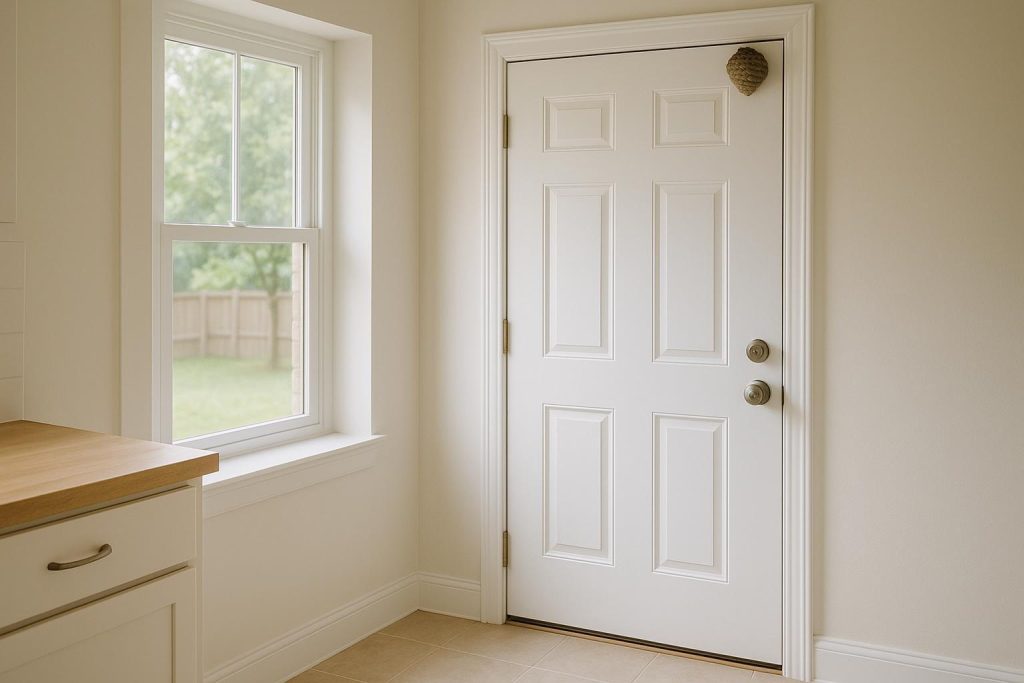
Effective Strategies to Help Prevent Wasps Near Your Kitchen Door
Wasps are a common sight in many areas during warmer months, and it can be unsettling when they choose to build nests close to your home. Having a wasp nest near your kitchen door is especially concerning, as it can pose a risk for stings and continually disrupt daily activities. In this comprehensive guide, we’ll explore why wasps are drawn to doorways and how you can discourage them from nesting there. We’ll also discuss practical steps and tips that can help keep your space free from unwanted wasp activity—without being alarmist or using harmful chemicals wherever possible.
Understanding Why Wasps Build Nests Near Doorways
Before we look at specific prevention methods, it’s helpful to understand why wasps might choose to settle so close to your kitchen door in the first place. While wasps are not generally interested in people, they do seek out locations that offer protection from the elements, ready access to food sources, and an environment that feels stable for colony-building.
Common reasons wasps set up near doors include:
- Shelter from the weather: Door frames, overhangs, and corners provide an ideal structure for nesting because they offer protection from rain, wind, and direct sunlight.
- Proximity to food and water: Wasps need resources to feed their larvae and maintain the nest. Spilled drinks, garbage bins, pet food, or even small puddles of water can make an area more enticing.
- Quiet (relatively undisturbed) corners: Although a front or back door is busy to humans, from a wasp’s perspective, it can still provide a safe nook if there’s a recessed corner or overhang that isn’t disturbed physically.
Early Signs of Nest-Building to Watch For
Being proactive is one of the best ways to prevent full-blown wasp nests. Keep an eye out for early signs of wasp activity, especially as the weather warms up. If you catch wasps exploring your door area while carrying small strips of wood or if you notice them frequently flying around a particular nook, they may be scouting possible nest locations. By identifying nest-building behavior early, you can take steps to deter them right away.
Practical Ways to Deter Wasps from Your Kitchen Door
Below are some tried-and-true methods for minimizing the risk of wasps locating themselves near your front or back kitchen door. Many of these techniques focus on cleanliness, structural maintenance, and gentle deterrents.
1. Keep the Area Clean
One of the simplest yet most effective steps is keeping your doorstep clean and free from materials or odors that attract wasps. Regularly remove garbage, keep your recycling bins tightly sealed, and ensure that compost bins remain closed and away from the porch if possible. Sugary residues, open food containers, and standing water are all red flags for hungry wasps.
- Secure your trash: Using sealed garbage cans or bins with tight lids ensures that strong food odors won’t draw wasps into the vicinity of your door.
- Wipe up spills: If you often enjoy a meal or snack near your kitchen door, clean up spills and crumbs immediately—especially sweet liquids or soda residue, which can easily entice wasps.
- Store pet food safely: If you feed pets outdoors, keep dishes cleaned and store food in sealed containers.
2. Seal Up Cracks and Entry Points
Wasps love to exploit small gaps that provide hidden spaces for nesting. Check around your kitchen door’s frames and any surrounding windows for cracks, holes, or worn-out weather stripping. In addition to preventing wasps from building nests, sealing off gaps also discourages other pests, such as ants or spiders, from entering.
- Inspect siding and eaves: Pay special attention to the junctions where exterior walls meet the eaves or roofline. Wasps may find crevices under eaves particularly appealing for nest protection.
- Use appropriate sealing materials: Caulk, weather stripping, and expanding foam are all good options, depending on the size and location of the gap.
- Check door sweeps: If your kitchen door or nearby doors have worn or missing door sweeps, replacing them can help prevent wasps from squeezing inside a breezeway or small gap.
3. Use Light Strategically
Wasps, much like many other insects, can be drawn to sources of light, particularly at night. While most wasps are daytime foragers, it’s still wise to remember that a bright light over your doorway can attract insects.
- Install motion-sensor lights: Switching to motion-activated lighting near your door reduces continuous illumination that could draw wasps closer to entry points.
- Choose warm-toned bulbs: Cool, bright white bulbs may attract flying insects. Instead, opt for yellow or warm lights, which are often less appealing to insects.
4. Limit Access to Water Sources
Wasps need water for cooling the nest and feeding larvae, so denying them easily accessible water can reduce their interest in your porch area. Outdoor faucets, leaks, or random puddles from watering your garden can provide hydration to wasps without you realizing it.
- Fix leaks promptly: Whether it’s a dripping hose or a broken faucet, resolve leaks quickly to discourage wasps from lingering.
- Redirect water outlets: Ensure gutter downspouts and drainage channels lead water away from the door area.
5. Use Wasp-Deterring Plants or Essential Oils
Some homeowners find benefits in using natural scents and plants that wasps dislike. While these methods aren’t foolproof, they can support a broader pest-prevention strategy:
- Spearmint or lemongrass: Growing herbs like spearmint or lemongrass near doorways may help mask food odors and deter wasps.
- Essential oils: Some people use diluted forms of peppermint or clove oil on door frames to create a less inviting environment. Always test a small patch to ensure the oil doesn’t damage surfaces.
6. Consider Wasp Traps—With Caution
Wasp traps can be used in moderation, but it’s important to place them strategically. Traps typically work by luring wasps with a sweet attractant. If you position them too close to your kitchen door, you might inadvertently lure them even closer to your home.
- Place traps away from typical door traffic: Ideally, put the traps at the edges of your yard or a few feet away from your patio, so wasps are drawn away from your door.
- Check and empty regularly: A neglected trap can become messy or lose effectiveness. Dispose of contents carefully and according to the trap’s instructions.
Consistent Maintenance and Monitoring
Much like other pest prevention tactics, consistency is crucial. Even the most thorough cleaning or sealing measures can become ineffective over time if you don’t maintain them. Continue to monitor potential nesting spots and remove any early wasp nest construction as soon as you see it forming.
Inspect your door frame, eaves, and porch overhangs every few weeks during peak wasp season. If you notice paper-like material clinging to a corner, that’s a clear sign of wasp nest-building. Wearing protective clothing or calling a pest control professional to remove an early-stage nest is often the safest and most effective option.
Safety Tips for Handling Wasps Near Your Door
While prevention is always best, sometimes you may still find an unwelcome wasp nest developing. If you choose a do-it-yourself removal approach, exercise caution. Potentially agitated wasps near your kitchen door can become a hazard. Consider these safety pointers:
- Wear protective clothing: Long sleeves, pants, gloves, and a veil or netting for your face can help protect you from stings.
- Timing matters: Early morning or late evening is often the best time to approach a wasp nest since they tend to be less active in cooler temperatures and darkness.
- Move slowly: Quick, jerky movements can alarm wasps. Move calmly if you’re attempting any nest removal.
Keep in mind, dealing with wasps can pose a real risk of stings, particularly if the nest is large or well-established. If you have any hesitations or if multiple nests have formed, calling in a professional pest control service is a prudent choice.
When to Seek Professional Help
Sometimes, despite your best efforts, wasps remain persistent. If you’ve tried do-it-yourself measures but still see significant wasp activity, or if the nest is large and located in a challenging or high-risk spot, seeking professional pest control can help ensure safe and thorough removal.
Professional services often include:
- Expert inspection: A technician can evaluate the situation, identify the type of wasp, and locate any hidden nesting sites you might have missed.
- Targeted treatment tactics: Early intervention and the proper application of pest control products can be safer, more efficient, and more eco-friendly if done by a trained technician.
- Follow-up and prevention guidance: Professionals can provide additional recommendations specific to your home, ensuring wasps are less likely to return to the same spot.
If you need support controlling stubborn wasp nests, you may find it beneficial to explore professional options. For instance, you can learn more about wasp control services here: https://birchfumigators.ca/pest-control-service/wasps/. These services focus on effective long-term prevention and techniques designed to keep your household safe.
Distinguishing Between Wasps and Bees
One common issue is confusing wasps for bees. While both are flying insects, their behaviors and colony structures can differ significantly. If you think you might be dealing with a bee colony rather than wasps, it’s best to consult with a professional who specializes in bee relocation—some areas even have dedicated swarm catchers. Most wasp control services, however, do not extend to bee removal, so it’s essential to confirm the pest type before taking any action.
Combining Low-Impact Approaches with Consistent Vigilance
Preventing wasps from building a nest near your kitchen door isn’t a one-time fix. It’s an ongoing process that involves keeping the area clean, sealing cracks, reducing attractants, and gently discouraging wasps from settling in. By adopting low-impact, environmentally responsible strategies—like strategic planting, sealing entry points, limiting water sources, and using targeted, professional-grade pest control treatments when needed—you’ll greatly reduce the chances of an active wasp nest forming where it’s least welcomed.
These constant, mindful efforts help ensure your door area remains calm and inviting for you, your family, and any guests—without having to worry about unexpected encounters with stinging insects.
Conclusion
Wasps around your kitchen door can create an uncomfortable environment, but it’s entirely possible to prevent them from getting comfortable there in the first place. By maintaining a clean, well-sealed entryway, removing tempting food sources, and staying alert to early signs of nest-building, you can significantly reduce wasp-related concerns. If persistent wasp activity or large nests develop, consider reaching out for professional guidance to ensure the problem is handled safely.
Need support with this issue? Birch Fumigators is here to assist. Our team is equipped to help protect your kitchen door area and provide suggestions to keep wasps away. Feel free to contact us for a thorough inspection and a plan customized to your home.
Remember: you deserve a pest-free peace of mind, and preventing wasps from building a nest near your door is a key step toward that goal.