
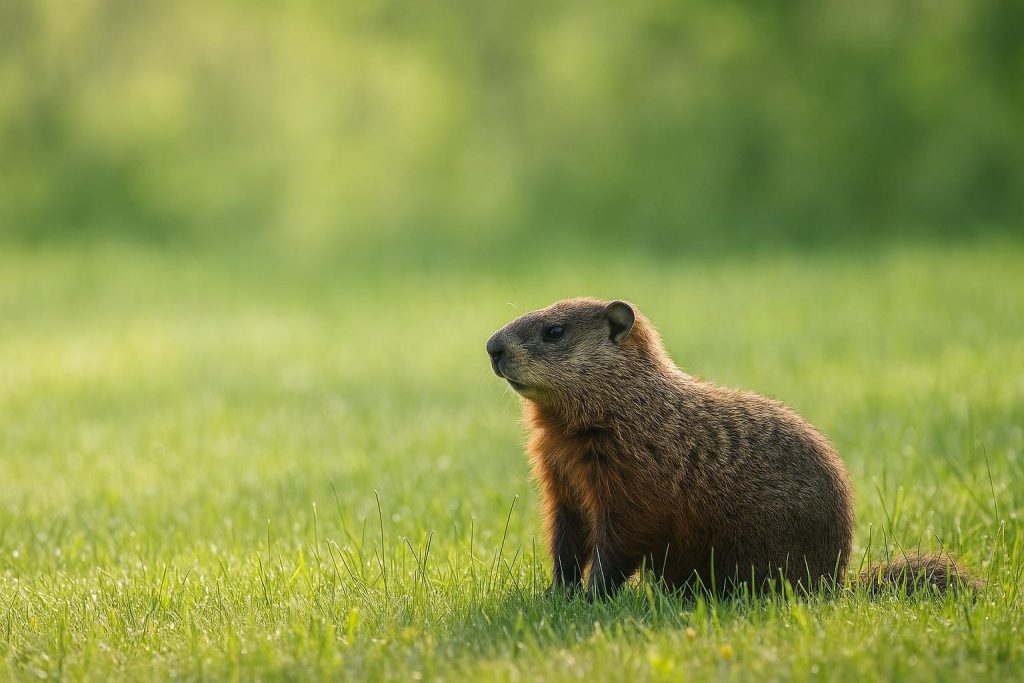
Essential Steps for the Safe Relocation of Groundhogs
Groundhogs, also known as woodchucks, are burrowing rodents that often make their presence felt in yards, gardens, and around foundations. While they play an important role in local ecosystems by aerating soil and creating habitats for other small animals, groundhogs can become a nuisance when they tunnel under structures or feast on garden plants. If you’ve noticed consistent groundhog activity on your property, you may be considering safe, humane methods for relocation. Below, you’ll learn how to tackle this issue with minimal harm to both the animals and your property.
1. Understanding Groundhog Behavior
Before you relocate a groundhog, understanding its habits can help you plan more effectively. Groundhogs typically:
- Live in burrows: They dig elaborate tunnel systems, often with multiple entrances. This digging can weaken the ground under sheds and porches if the burrow is close to such structures.
- Hibernate in winter: In colder climates, groundhogs hibernate from late fall through early spring in a sheltered burrow.
- Forage for plants: These animals are herbivores, feeding primarily on grasses, vegetables, ornamental plants, and even tree bark.
- Bear young in early spring: Groundhog litters typically appear in spring, which may affect your relocation timeline if you don’t want to separate a mother from her offspring.
Familiarizing yourself with these details will help you minimize stress on the animal and ensure you’re not uprooting a nesting mother with newborns left behind.
2. Understand Local Laws and Regulations
In many regions, including various parts of Canada, local wildlife agencies provide guidelines about how mammals like groundhogs can be handled or moved. Relocation laws are designed to protect native species, but they also protect homeowners and the wider community by ensuring that relocation is done safely and ethically. Improper or unauthorized groundhog relocation can carry penalties or fines. In addition, relocating groundhogs sometimes requires permission from your municipality or a licensed wildlife control professional. Always consult local authorities before proceeding with a relocation plan.
3. Why Consider Relocation?
While groundhogs can be beneficial in a balanced ecosystem, they may cause trouble when they burrow too close to homes or compromise gardens. Common reasons for relocating groundhogs include:
- Preventing Structural Damage: Burrows under foundations, decks, or sheds can undermine structural integrity.
- Protecting Gardens: Groundhogs enjoy vegetables and flowers, so they can quickly ruin carefully tended garden plots.
- Reducing Interactions with Pets: Dogs or cats may investigate burrow openings, potentially leading to confrontations with territorial groundhogs.
- Maintaining Peace of Mind: Some homeowners simply want to co-exist with local wildlife while ensuring their property remains well-protected.
When you're confident that relocation is the best route, proceed carefully to minimize stress on the animal and disruption to your property.
4. Choose a Humane Approach
Groundhogs are wildlife, and at Birch Fumigators, we advise using the safest and most humane strategies possible when dealing with them. Each situation is unique, and the best methods depend on timing, property location, and local guidelines. Here are some humane techniques worth considering:
- One-Way Doors: If possible, install a one-way door at each known entrance of the groundhog’s burrow. The device allows the animal to exit but not re-enter, effectively encouraging it to relocate on its own. This approach often reduces the stress on the animal, compared to being trapped and transported.
- Live Trapping: Setting up a cage trap with vegetables like lettuce or other groundhog favorites can be an option. Once caught, the groundhog can be moved to a more suitable habitat. Always follow local regulations to ensure you’re trapping legally and releasing responsibly.
- Exclusion Barriers: If you want to prevent the groundhog from returning, install sturdy fencing or bury wire mesh at least 12 inches underground around the area where the burrow stands. This measure keeps them from burrowing back into your yard. For best results, fence off gardens or structures vulnerable to digging.
Humanely relocating groundhogs involves more than catching and driving them away. It requires planning, awareness of local rules, and consistent follow-up to ensure the groundhog doesn’t return.
5. Step-by-Step Relocation Guide
Below is a general plan you might consider if you’re looking to safely remove or relocate a groundhog. Keep in mind that in many places, you may be required to hire a licensed pest control professional or wildlife control expert rather than doing it on your own.
- Identify the Right Time: Avoid trapping during months when baby groundhogs are dependent on their mother, as separating them can be harmful. Early summer is often a suitable time, after the young have matured enough to fend for themselves.
- Gather Correct Equipment: If you decide to set a live trap, choose one that is large enough so the groundhog can comfortably walk in. Ensure you have protective gloves, and never put your hands inside a trap holding a groundhog.
- Select a Proper Bait: Leafy greens, peas, and slices of fruits are often enticing to groundhogs. Refresh the bait daily to keep it appetizing.
- Position Your Trap Thoughtfully: Place the trap near the main entrance or along an established path where you’ve spotted the groundhog. Make sure it’s on level ground to prevent tipping, and camouflage it with grass or other natural cover if necessary.
- Monitor the Trap Frequently: Check the trap consistently. Leaving a groundhog in a cage for too long can cause distress and health concerns. In many jurisdictions, you’re required by law to check traps within a certain period.
- Relocate Responsibly: Carefully transport the trapped groundhog to a suitable location if laws allow. Look for an area with natural coverage, water sources, and enough distance from residential neighborhoods. This helps ensure the animal’s long-term survival and reduces the likelihood of it returning to your property.
- Restore the Area: Once the groundhog is removed, seal up burrow entrances with dirt or wire mesh. Consider installing fencing, especially around gardens or under sheds, to prevent re-infestation. Taking these preventative steps will help you avoid the same problem in the future.
6. The Importance of Selecting the Right Relocation Site
One of the biggest challenges in groundhog relocation is placing the animal in an environment where it can thrive without creating new problems. Here’s what to keep in mind when choosing a release site:
- Ample Food Sources: Groundhogs need vegetation to survive. Fields, meadows, and wooded edges with ample grass or wild plants are ideal.
- Distance from Homes: Ideally, release groundhogs far enough from residential neighborhoods so they’re less likely to return or become an issue for other homeowners.
- Legal Considerations: Confirm that you’re allowed to release wildlife in your chosen area. Some municipalities prohibit transporting animals across county or municipal lines.
Proper site selection isn’t just about meeting the groundhog’s needs—it also prevents conflicts from arising elsewhere.
7. Post-Relocation Follow-Up
After you’ve successfully removed or relocated a groundhog, the process doesn’t end there. Ensuring that your property remains unappealing to other groundhogs requires a bit of diligence:
- Fill Burrow Holes: Make sure the space is filled with soil or gravel. If you suspect other wildlife might move in, you can use a combination of dirt and mesh for a sturdier seal.
- Remove Attractions: Keep your yard free of piles of wood, brush, or debris, which can serve as ideal shelter. Regularly mow lawns, trim vegetation around structures, and store compost in closed containers.
- Install Barriers: As mentioned, fencing off gardens, decks, or sheds can make your home less attractive to digging animals. Bury the bottom edges of fencing 12 inches or more, bent outward, to deter burrowing.
- Monitor for New Activity: Watch for fresh digging near foundations, sheds, garages, or gardens. Early detection can help you respond quickly so you don’t have to relocate more groundhogs later.
8. Handling Groundhogs Safely
Groundhogs, like any wild animal, can bite or scratch when cornered or frightened. Always approach the situation with caution:
- Wear Protective Gear: Thick gloves and long sleeves reduce the risk of being bitten or scratched.
- Avoid Direct Contact: Don’t try to pick up or pet a groundhog. Even if it seems calm, it’s still a wild creature reacting on instinct.
- Seek Professional Support: If the groundhog appears injured or you’re uncomfortable trapping and relocating on your own, consider contacting a professional pest control service experienced in humane solutions.
9. The Role of Professional Pest Control Teams
Tackling a groundhog problem by yourself isn’t always straightforward. If you’re unsure about provincial or municipal regulations, or if you simply want the matter handled swiftly and compassionately, a licensed pest control team can help. They can assess the extent of burrow systems, determine the best approach for relocation, and put measures in place to ensure the groundhogs don’t return.
At Birch Fumigators, our professional team recognizes that some wildlife species, including rodents like squirrels or groundhogs, may require humane handling methods. Depending on local regulations and the feasibility of relocation, we aim to use low-impact strategies that keep the animal’s well-being in mind. For smaller pests, such as mice, we typically use targeted treatments designed to be as safe for families, pets, and the environment as possible, especially when it comes to issues like property damage from rodents.
We also encourage checking local guidelines in Edmonton, Sherwood Park, or surrounding areas if you suspect the groundhog population is out of hand. Having local expertise on your side can make a substantial difference in the efficacy, safety, and compliance of wildlife control efforts.
10. Frequently Asked Questions
Q: Can’t I just seal off the burrow while the groundhog is still inside?
A: While sealing an entrance might seem appealing, it can trap the animal underground or force it to create new exit points on your property, furthering damage. The more humane practice is to give the groundhog a chance to exit via a one-way door and ensure it can’t re-enter.
Q: How far should I release a groundhog if I trap it?
A: Most experts recommend taking the groundhog at least several kilometers away from your property, in an area where it can find shelter and food. However, check local rules or consult a pest control professional to be sure you’re relocating it appropriately.
Q: What if the groundhog has babies in the burrow?
A: If you suspect there are young, it’s best to wait until they’re weaned. Removing a mother from her offspring can be both inhumane and ineffective, as the young will likely perish, which is the opposite of a humane approach.
Q: Do I need a professional service for groundhog relocation?
A: That depends on your local regulations and your comfort level. In many areas, professional guidance is strongly recommended or legally required, particularly if there’s a sizable groundhog population or multiple burrows.
11. Balancing the Needs of Homeowners and Wildlife
Relocating groundhogs doesn’t have to be a traumatic experience for you or the animal. By applying humane methods, you can address potential property damage while minimizing harm. Realistically, groundhogs are simply creatures following their instincts. With planning and empathy, you can usher them along to a more suitable habitat while maintaining a safe yard for your family or business.
12. Proactive Prevention for the Future
After you’ve taken steps to remove and relocate any groundhog, remember that the best way to keep your property free of diggers is through preventive measures. Inspect your property regularly for signs of tunneling or feeding, and reinforce vulnerable areas like fence lines, garden plots, and decking. Prompt responses to new burrow activity can sometimes deter a groundhog before it becomes fully settled.
13. When to Seek More Help
If you’re unsure how to handle a groundhog problem or if your DIY efforts haven’t succeeded, it may be time to reach out for professional support. Various pest control teams—including ours—offer solutions built around both the animal’s needs and your peace of mind. By combining local knowledge, hands-on experience, and a commitment to ethical methods, a reliable provider can bring your property back into balance.
Need support with this issue? Birch Fumigators is here to assist. We believe in working with homeowners to find strategies that respect Alberta’s wildlife while ensuring that your yard or garden remains safe. Whether you’re observing new burrow openings or just want advice on prevention, our professional team is ready to help you make informed, ethical decisions.
In short, safe groundhog relocation involves respecting legal requirements, considering the animal’s well-being, and taking proactive measures to keep groundhogs from returning. A well-planned strategy, whether it’s installed one-way doors, exclusion fences, or professional trapping and relocation, can make a significant difference in preserving your property’s stability and your own peace of mind.