
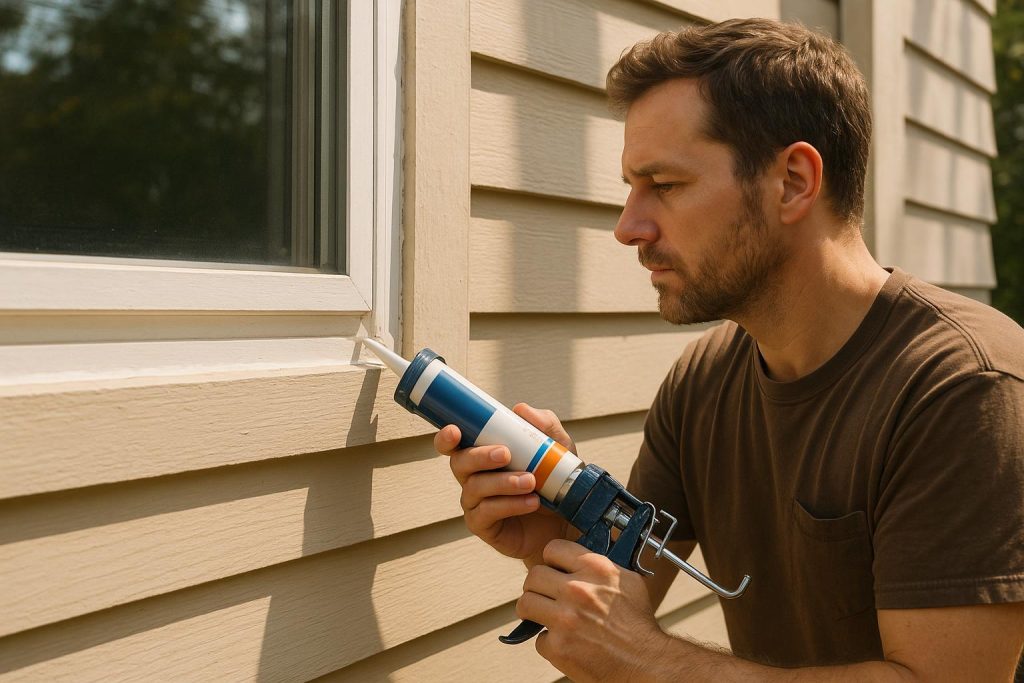
Sealing Entry Points for Pest Prevention
Keeping pests out of your home without resorting to harsh chemicals is a goal many homeowners share. While chemical-based pest control can be effective in some cases, there are plenty of non-toxic and low-impact alternatives you can rely on to protect your home. One of the most reliable and eco-conscious methods is sealing potential entry points, which blocks common intruders like insects and rodents from ever setting foot inside. By practicing thorough pest prevention now, you can avoid bigger issues down the line and create a healthier environment for everyone. Below, we'll explore essential reasons to seal entry points, the materials you can use, and step-by-step guidance to ensure your home remains pest-free.
Why Sealing Matters for Efficient Pest Prevention
Pests typically enter homes to find food, water, or a reliable place to nest. By eliminating easy access, you address the root cause of many infestations. This is crucial because:
- Fewer Harsh Treatments: When pests can't get in, you significantly reduce the need for chemical treatments. This helps you keep your living space safer for you, your family, and your pets.
- Long-Term Results: Sealing entry points is a proactive strategy. You target the problem at its source, so you're not repeatedly dealing with the same infestations.
- Cost Savings: By preventing infestations, you save money on repeated pest control visits or repairs caused by long-term pest damage.
- Eco-Conscious Approach: Sealing your home aligns with environmentally responsible practices by minimizing the chemical footprint needed to address potential pest issues.
Identifying Common Entry Points
Before beginning any repairs or sealing, it helps to inspect the areas of your home most susceptible to gaps, holes, or cracks. Pests are adept at slipping through even the tiniest openings—some rodents can squeeze through holes the size of a dime. Key entry points include:
- Foundation Cracks: Check where the foundation meets the walls, around poured concrete, and near your basement windows.
- Windows and Doors: Look for ill-fitting frames, deteriorating weatherstripping, torn screens, or gaps beneath door thresholds.
- Utility Openings: Pipes, cables, and wiring can leave small gaps where they enter your home, creating easy routes for pests.
- Vents: Bathroom exhaust vents, dryer vents, and attic ventilation units may have covers that loosen over time, leaving openings for insects or small rodents.
- Chimneys: Check for missing or damaged chimney caps, as birds or squirrels may exploit these spaces.
Every home is unique, so take a thorough look at all potential trouble spots. If you're unsure where to start, explore related topics like Which areas of my house should I regularly inspect to avoid unnoticed infestations? to learn more about areas that often go overlooked.
Essential Materials and Tools
Sealing openings effectively requires having the right products on hand. Here are some popular options:
- Caulk: Ideal for sealing gaps around windows, doors, and other stationary fixtures. Look for a weatherproof, outdoor-rated option to withstand temperature changes.
- Weatherstripping: Perfect for sealing moving parts such as doors and windows that open or slide. Make sure to pick the right thickness for the gap you're covering.
- Steel Wool: Excellent for deterring rodents, as they find it difficult to chew through the metal fibers. Place steel wool in small crevices to fortify cracks before applying additional sealant.
- Door Sweeps: Attach these to the bottom of exterior doors to eliminate the gap between the door and the floor.
- Wire Mesh or Metal Screening: Use for larger openings like vents, crawl spaces, or beneath decks—anywhere a screen can block entry while still allowing airflow.
- Foam Sealants: Expanding foam can fill bigger gaps, but it's best used in hidden areas where it won't degrade from sunlight or be easily accessed by pests.
With these supplies, most homeowners can manage straightforward sealing tasks on their own, although professional guidance may be needed for more complex issues.
Step-by-Step Guide to Sealing Entry Points
Proper sealing is most effective when you follow a systematic approach: locate the problem, clean the area, measure the gap, and apply the best solution. Here's a deeper look:
- Conduct a Thorough Inspection
Begin by walking around your home's exterior. Look at the foundation, walls, windowsills, and other areas where materials and joints meet. Then, inspect indoor spaces such as basements, attics, and garages. Use a flashlight in dark corners to see small cracks more clearly.
- Prepare the Surface
Clean surfaces before applying any sealant. Remove dirt, loose paint, or old caulk. This step is crucial for ensuring your new application adheres properly.
- Seal Using the Right Materials
Depending on the gap or crack size, choose a material from your toolkit. For small gaps, caulk is often best. For medium gaps, a combination of steel wool and caulk provides extra protection against rodents. For larger openings, try wire mesh or foam sealant, followed by a finishing caulk if needed.
- Double-Check Doors and Windows
Install or replace weatherstripping on windows and exterior doors. Additionally, fit door sweeps to block the gap beneath your doors. A properly fitted door sweep provides a tight seal that helps keep insects and rodents from sneaking in.
- Reinforce Vents and Utility Lines
Use robust vent covers and ensure any existing screens are in good condition. Damaged screens should be replaced rather than patched when possible. Next, tightly seal around utility openings, such as where pipes or electrical lines enter the home, using caulk or weatherproof foam sealant.
- Keep Up with Maintenance
Sealing and forgeting about it isn't enough. Over time, materials can wear out, and natural shifting of your home may create new gaps. Incorporate regular checks into your household maintenance routine, especially after seasonal changes or extreme weather. For more insight on how weather plays a role in pest activity, take a look at Do weather changes make pest issues more likely in residential settings?.
Additional Pest Prevention Tips
Sealing entry points goes a long way toward preventing infestations, but there are other steps you can take to keep your home protected:
- Proper Food Storage: Store pantry items in sealed containers, and clean up spills or crumbs right away. Rodents and insects can sniff out accessible food from surprising distances.
- Declutter: Piles of newspapers, cardboard, or unused furniture can create cozy spots for insects and rodents. Keeping your home organized helps reduce hiding spots.
- Manage Moisture: Repair leaky pipes and ensure good ventilation in damp areas such as basements and bathrooms. Excess moisture attracts many pests, including silverfish and cockroaches.
- Regular Inspections: Beyond sealing, get into a habit of checking for signs of infestation. If you're unsure what to look for, our resource on What are some common signs of pests in a home that might go unnoticed? can help you stay ahead.
- Outdoor Maintenance: Trim trees or shrubs near the house, as branches touching siding or roofs can act like bridges for pests. Maintain a gap between external walls and vegetation so pests can't climb or hide close to your exterior.
When You Suspect Rodent Issues
Rodents, especially mice, are known for exploiting even the tiniest openings. If you've found droppings or chew marks on baseboards, there's a good chance mice have nestled in your property. Sealing gaps with steel wool and caulk is effective, but remember to look out for hidden entry points in attics or crawl spaces. For more in-depth guidance, check our Mice service page. It covers strategies for preventing rodents from taking over your home, including professional methods for capturing and removing them.
Colder Months: Protecting Your Home Year-Round
As the temperature drops, pests like mice and rats look for refuge within the warmth of your walls, and insects seek shelter from the cold. Sealing openings now can spare you a lot of trouble during the colder months. If you want to learn more about winter pest-proofing, consider reading What’s the best way to protect my home from rodents and insects during colder months?. This resource provides insights into seasonal changes that can increase pest activity and offers tips to keep your home secure in any weather.
Other Physical Barriers and Exclusion Techniques
Sometimes, pests don't only enter through cracks; they creep in through open doors, landscaping, or structural features that were never sealed in the first place. Beyond sealing cracks and installing door sweeps, you may consider additional exclusion techniques such as:
- Installing Mesh Around Decks: If you have a raised deck or porch, enclosing the underside with mesh or a similar barrier can prevent larger animals from nesting.
- Stacking Firewood Smartly: Keep wood piles at least 20 feet from the home. Wood piles can become havens for rodents, which then quickly move closer to your house.
- Maintaining Screens on All Openings: Ensure that every window, vent, or attic opening is covered with proper screening without any rips or tears.
Common Missteps to Avoid
While sealing your home is fairly straightforward, a few oversights can hinder long-term success:
- Using Temporary Fixes: Taping over a gap might temporarily deter insects, but it won't last. Invest in the right materials for a long-term solution.
- Ignoring Warning Signs: If you see visible damage, scattered droppings, or hear noises in your walls at night, start your sealing project right away. Delaying might give pests time to breed.
- Not Checking Seals Periodically: Even the best-quality sealant can wear down over time due to temperature fluctuations, moisture, or normal household usage.
- Relying Solely on DIY: While a do-it-yourself approach is great for smaller jobs, sometimes professional techniques are necessary—especially if you have widespread pest issues. If you're dealing with a serious infestation, you may need expert inspection to fully resolve the problem.
Staying Proactive: Seasonal Adjustments
Sealing entry points isn't a one-off task. The needs of your home may change as the seasons shift. In the spring and summer, insects seek out cool and damp conditions, whereas in the autumn and winter, rodents aim to avoid the chill. Revisit your home's exterior and interior at the start of every season, or after severe weather changes. To understand how shifting temperatures can spark new pest problems, consider reviewing Do weather changes make pest issues more likely in residential settings?. You'll gain extra insight into how to keep your home prepared throughout the year.
Harnessing Professional Support
Sometimes, even when you've finished sealing every crack you can find, pests remain persistent. If you continue to see signs of a pest problem—like droppings, gnaw marks, damaged wiring, or nighttime scuttling—it's wise to get professional help. Well-trained pest control technicians know how to identify vulnerable spots you may have missed, recommend safe treatments that protect your home, and offer tailored advice for permanent pest prevention.
If you want additional guidance on how to keep your home pest-free or suspect a new critter is making itself comfortable, you can check out more FAQs like What are some common signs of pests in a home that might go unnoticed?. These resources provide extra clarity and reassurance, helping you meet any challenge head-on.
Practical Takeaway
Sealing entry points against unwanted pests is one of the simplest, most cost-effective, and environmentally responsible steps you can take to secure your home. Whether it's a gap near a window or a crack in the foundation, closing off these spaces protects against insects, rodents, and other unwelcome guests while eliminating the need for excessive chemical use.
After all, successful pest prevention is about a combination of tactics—from good housekeeping to regular inspections—and it all starts with making sure pests can't even get in. By following the steps outlined here, you'll be well on your way to experiencing long-term protection and a healthier indoor environment.
Still have questions? Feel free to contact our team for expert advice. If you're unsure what steps to take, we're happy to help—just reach out. Our technicians are professionally trained and ready to guide you with safe, effective solutions that align with your concerns about chemicals and the well-being of your home.