
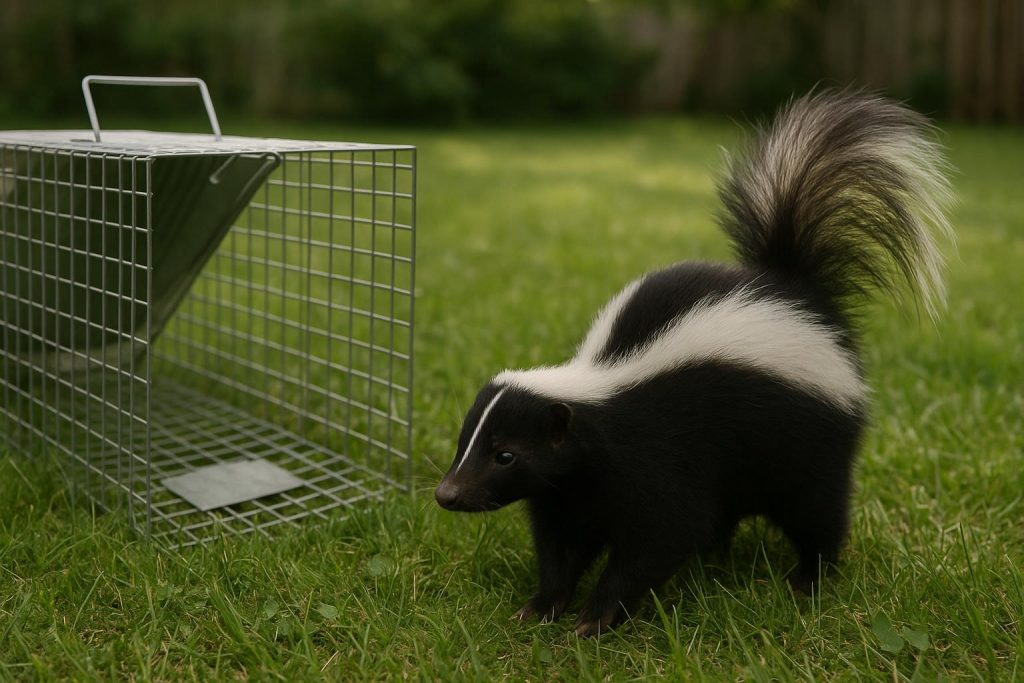
Understanding Skunk Trapping and How to Protect Their Well-Being
Skunks can be unwelcome visitors on your property for a variety of reasons. Their strong odor, digging behaviors, and the possibility of spraying can create anxiety for homeowners or businesses. When a skunk wanders onto your property, it can be tempting to set a live trap, especially if you are concerned about damage or potential sprays. But how long can a trapped skunk live, and what steps should you take to ensure humane treatment? In this comprehensive guide, we will discuss the importance of releasing captive skunks promptly, outline best practices for safe relocation, and provide tips on preventing them from returning. By the end, you will have a clear understanding of how to manage a trapped skunk responsibly while respecting local regulations and wildlife protection guidelines.
How Long Can a Skunk Survive in a Trap?
Healthy skunks are resilient animals capable of surviving for a few days in a live trap, even with minimal food or water. However, it is not recommended to leave them in captivity that long. Trapped skunks can experience high levels of stress, especially when deprived of their normal routines, water sources, and safety of their dens. Stress weakens their immune systems, leaving them vulnerable to illness and exhaustion. If left without proper care, dehydration and malnourishment can set in rapidly.
From an ethical standpoint, it is best to check your live trap every few hours, at least daily if the trap is set overnight. This frequent checking allows you to release or relocate any captured animal promptly and prevents unnecessary suffering. Overlooking a trap for more than a day can compromise the skunk’s well-being. While some skunks may survive a few days without food or water, this is not a humane practice and can lead to serious harm if done carelessly.
Why Quick Action Matters
Prompt release or relocation of a trapped skunk goes well beyond mere courtesy to the animal. Skunks are part of the local ecosystem, providing benefits such as controlling certain insect populations. Leaving them too long in a trap can result in:
- Dehydration: Without adequate water, a skunk’s vital functions can deteriorate quickly, especially in hot or dry conditions.
- Malnutrition: Skunks rely on consistent sources of food. Prolonged hunger can weaken them physically and mentally.
- Excessive Stress: Confinement in unfamiliar surroundings, with no secure place to hide, can cause high tension and anxiety.
- Risk of Injury: Trapped animals sometimes attempt to escape by pawing or biting at cage bars, risking self-harm.
Taking swift action reflects not only a respect for local wildlife but also compliance with many local regulations that prohibit inhumane treatment of animals. In some jurisdictions, neglecting a trapped wild animal can carry legal consequences, so it is vital to familiarize yourself with the rules in your region.
Planning a Humane Trapping Strategy
Before you even set a trap, it is wise to plan a humane trapping strategy. This starts by assessing the situation around your property—what is drawing the skunk in? Do you have open garbage bins, leftover pet food, or a structure (like a deck or a shed) where the skunk might be nesting? Reducing these attractants can sometimes encourage the skunk to move on without the need for any capture at all.
If you decide that trapping is necessary, follow these guidelines:
- Choose the Right Trap: Select a live trap that is large enough for a skunk to move around but still safely contained. Look for a model specifically designed for medium-sized mammals.
- Set the Trap Responsibly: Place the trap in an area where the skunk is known to travel. Bait it with foods skunks find appealing, such as peanut butter or canned fish. Avoid using poison; it is inhumane and can harm other wildlife.
- Monitor Regularly: Make it a priority to check the trap frequently to ensure any captured wildlife spends the shortest time possible in confinement.
By focusing on a thorough plan, you increase your chances of quickly capturing the skunk and ensuring its release is kind and respectful.
Understanding Local Regulations
Many municipalities have specific rules about trapping and relocating wildlife. In some areas, it may be illegal to release a skunk more than a certain distance from where it was captured. These rules exist to prevent the spread of diseases or to protect both the animals and human communities. Before proceeding, you should visit your local government’s website or consult with a wildlife officer to clarify what is allowed. Doing so helps safeguard you from potential fines and, more importantly, guarantees that your actions align with humane and lawful practices.
Guidelines for Safe Relocation
Once you have verified that it is legal to relocate the skunk, the next step is determining where to let the animal go. Relocation sites should be:
- In a Natural Habitat: A location offering adequate food sources, water, and shelter so the skunk can thrive without returning to residential areas.
- Distant from Neighborhoods: Releasing a skunk too close to other homes increases the risk of repeats of the same problem. Choose a spot with enough distance ensuring that the skunk does not become a nuisance again.
- Legal for Wildlife Release: Certain parks, protected areas, or private lands have regulations against releasing animals. Make sure you have permission if the site is privately owned, or confirm that the area is designated for wildlife reintroduction.
In addition to planning your release location, think about the time of day. Dawn or dusk can be preferable as skunks are generally nocturnal creatures, and letting them go at a time that aligns with their natural patterns reduces stress. Make every effort to minimize the shock of relocation by providing a calm environment.
Tips for Handling the Trap and Avoiding Sprays
One of the biggest concerns with trapped skunks is the potential for a defensive spray. While it is impossible to guarantee a skunk will not spray, these precautions can help minimize the chance:
- Use a Cover: Draping a towel or blanket over the trap before moving it can help the skunk remain calm.
- Move Slowly and Quietly: Abrupt motions or loud noises can frighten the skunk, making a spray more likely.
- Approach from the Side: Skunks usually spray when they see a perceived threat head-on. Move gently from an angle so you are not in the direct line of sight.
- Wear Protective Gear: Gloves and long sleeves are a good idea, as you never know whether you will need to maneuver around the trap to unlock it.
If the skunk does begin to stomp its feet or raise its tail, these are signs that it is feeling threatened. Back away slowly and give the animal some space. Patience can go a long way toward avoiding an unpleasant encounter.
The Importance of Frequent Trap Checks
Even if you set your trap with the best of intentions, remember that a skunk in a cage is entirely reliant on you. It cannot seek its own food or water, nor can it shelter itself from the elements. Whether it is overnight or for a few hours during the day, regular trap checks are essential to prevent:
- Prolonged Dehydration: Especially in warmer months, dehydration can set in quickly.
- Exposure to Extreme Temperatures: A metal trap can overheat in direct sun or become dangerously cold if left outside overnight in cooler weather.
- Predators Harassing the Skunk: Even though it is in a trap, a skunk might still be menaced by neighborhood dogs, coyotes, or other animals.
Constant vigilance protects you from accidentally causing undue harm to a wild animal and avoids potential legal issues if local regulations demand humane treatment.
How to Discourage Skunks From Returning
Skunks are often drawn to properties that provide easy food sources and safe nesting spots. Once you have released the animal, you will want to take steps to ensure that another one does not replace it. Some practical methods to keep your property less attractive to skunks include:
- Secure Garbage Bins: Use tight-fitting lids and keep trash containers in areas skunks cannot easily access.
- Remove Yard Debris: Skunks may hide under stacks of lumber, boards, or leaf piles. Keeping your yard tidy goes a long way.
- Block Entry Points: Seal openings under sheds, decks, or porches. Make sure crawl spaces and any potential den sites are well barricaded to prevent nesting.
- Eliminate Pet Food Outside: If you have outdoor pet feeding stations, consider moving them indoors, especially at night.
You can also invest in motion-activated lights or sprinklers to startle skunks that approach your property after sundown. Since these animals prefer dark, quiet areas, such deterrents make your yard less comfortable for nighttime scavenging. Consistency in these prevention methods greatly reduces the likelihood that you will deal with another trapped skunk in the future.
Common Concerns About Skunk Trapping and Relocation
“What if I cannot release the skunk quickly?”
If you find yourself unable to check the trap often, or if you do not have a safe relocation plan, it is best to hold off on setting a trap. Instead, reduce attractants or consider hiring a professional who will ensure humane handling and quick relocation.
“Is it legal to trap and relocate skunks in my area?”
Local regulations differ. In many regions, you must follow specific guidelines for distance of release, or you may not be allowed to relocate wildlife at all. Some areas even require you to euthanize trapped animals if relocation is not permitted. Always consult with local wildlife agencies or check municipal bylaws before proceeding.
“What if the skunk is sick or looks injured?”
In such cases, you may need to contact a local wildlife rehabilitator or veterinarian who specializes in wildlife care. Handling an ill or injured animal on your own can worsen its condition, and it may require professional medical attention.
When to Seek Professional Assistance
Not everyone is comfortable handling a trapped skunk—and that is perfectly understandable. If you feel uneasy, worry about being sprayed, or simply do not have the time to manage the trapping and release process, professional help is available. Many pest control services, including those at Birch Fumigators, are familiar with humane trapping and relocation practices, ensuring the process remains stress-free for both you and the animal.
Professional wildlife technicians can also help you identify potential attractants and entry points around your property, providing tailored advice for preventing future skunk visits. The goal of a professional service is not just removing the immediate problem, but ensuring that your home remains as pest-free as possible in the long term. If you reside in the Edmonton region, you may also find it helpful to browse our Edmonton service area page to learn more about localized support for your pest concerns.
Balancing Humane Practices and Effective Control
At Birch Fumigators, we believe in recognizing an animal’s place in the ecosystem while also protecting your home. For wildlife such as skunks, humane methods can be highly effective. By focusing on live traps, careful relocation, and consistent prevention, you can maintain a safe property without resorting to inhumane or overly aggressive tactics. This approach ensures the skunk remains unharmed while you and your family enjoy peace of mind.
Though humane approaches are essential for larger wildlife like skunks, it is worth noting that different techniques may be used for other pests. If you are also dealing with insect issues such as ants or cockroaches, or have concerns about rodents like mice, the treatment methods and strategies will differ based on the nature of those pests. The core principle remains the same: treatments can be safe, effective, and thoughtfully applied, focusing on long-term prevention and minimal environmental impact.
Getting Started: Steps to Protect Your Property
To recap, if you have a trapped skunk on your property, here is a concise checklist to help ensure humane treatment and responsible relocation:
- Plan Ahead: Assess why the skunk is on your property in the first place. Remove or reduce any obvious attractants like open trash or standing food sources.
- Review Local Rules: Investigate municipal or provincial regulations about live trapping and relocation distances.
- Set a Proper Trap: Use a well-sized, sturdy live trap with bait that entices skunks. Position it where you have seen skunk activity.
- Check the Trap Often: Make sure to look in on it every few hours (or at least daily), especially overnight, to minimize confinement.
- Prepare a Release Site: Select a safe, legal environment that offers natural resources and minimizes re-entry to residential zones.
- Handle with Care: Use slow, quiet movements when transporting the trapped animal, and drape a blanket over the trap to help the skunk remain calm.
- Release Promptly: Open the trap slowly at the release site during a time that aligns with the skunk’s usual activity cycle, such as dawn or dusk.
- Prevent Future Issues: Close off entry points, secure your trash, and keep your yard clean to lessen the appeal for skunks and other wildlife.
- Seek Expert Help if Needed: If you are uncertain or uncomfortable, contacting a professional pest control service can reduce stress for you and the animal.
Conclusion: Helping Skunks and Protecting Your Space
A trapped skunk can live for multiple days in captivity, but it is essential to prioritize a quick and humane release to reduce stress and potential harm. Skunks, like all wildlife, play a role in the environment. By treating them responsibly, you not only uphold ethical standards but also remain compliant with local regulations designed to protect both animals and people.
Whether you handle the situation yourself or enlist professional help, make sure to keep prevention strategies in mind so you do not encounter repeat visitors. When in doubt, or if you feel uncomfortable carrying out any of these steps, know that expert support is out there to guide you.
Need support with this issue? Birch Fumigators is here to assist. Our team offers humane skunk trapping and relocation services, and we emphasize practices that keep both you and the skunk safe. If you are unsure what steps to take, we are happy to help—just reach out. With consistent prevention and mindful solutions, you can enjoy a property free from unwanted skunk guests while still respecting the local ecosystem.