A Detailed Guide to Pigeon Removal Costs and Best Practices
Pigeon control can be a source of frustration for many homeowners and business owners. These birds may seem harmless at first glance, but large flocks have real potential to cause structural damage, create unsanitary conditions, and disrupt your daily routine. In many situations, the cost to remove pigeons from a property depends on several factors, such as the severity of the bird presence, the size of the building or area they occupy, and whether additional services—like ongoing prevention or structural repairs—are needed. By clearly understanding these factors and approaching the problem with safe, effective methods, you can restore comfort and cleanliness to your property without unnecessary stress.
Below, we explore the crucial elements that affect the price of pigeon removal and how to handle unwanted pigeons responsibly. We will also explain what goes into professional pigeon control and how Birch Fumigators approaches the challenge while upholding values like humane wildlife handling when appropriate, customer service, and long-term prevention. Additionally, we will cover steps you can take on your own, when to call in a professional, and how to maintain a pigeon-free environment on an ongoing basis.
Understanding the Main Factors Affecting Pigeon Removal Costs
When you contact a pest control professional to remove pigeons, you will often receive an estimate that varies depending on the unique aspects of your property and situation. Here are some core factors that shape the total investment:
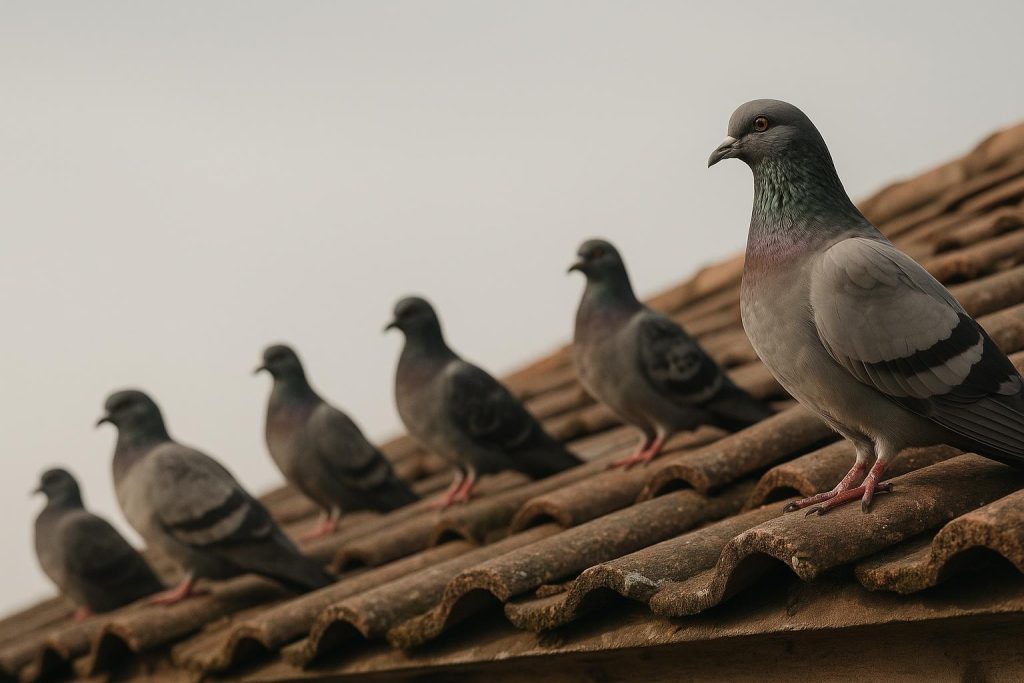
- Scope of Infestation: A small number of pigeons perched on a ledge typically requires a less involved solution than a large flock that has settled into multiple rooflines or has built nests in vents or eaves. More complex situations may call for multiple visits, specialized equipment, and thorough decontamination measures, impacting the overall price.
- Severity of Damage: Pigeons can cause damage by pecking at building materials, leaving droppings that corrode surfaces, and clogging gutters or ventilation systems with nesting material. Properties that have sustained notable harm may need expert repairs or cleanup, which increases the service’s total cost.
- Size and Layout of the Property: Larger buildings or multi-story structures are typically more difficult to assess and treat. Rooftop ledges, hidden spaces, or heightened safety requirements (like harnessing and safety gear) can influence how labor-intensive the job becomes and therefore add to the cost.
- Choice of Deterrents and Barriers: Some pest control methods include installing physical barriers like bird spikes, netting, or wire coils. Other approaches involve using sound or visual deterrents, such as reflective surfaces or decoy predators. The more specialized or labor-intensive your chosen method, the more it may affect the final price.
- Follow-Up Services and Maintenance: Effective pigeon control often requires more than a one-time treatment, especially if nesting has occurred. This may entail regular inspections to verify the birds have not returned—or, in some cases, ongoing deterrent upkeep if fixed systems like netting are in place. For some property owners, investing in these follow-up prevention measures is well worth it to avoid future re-infestations.
All of these considerations factor into the cost of pigeon removal. If you are comparing quotes, make sure you understand what is—and is not—included to ensure an apples-to-apples comparison. No single price fits every scenario, because every property and pigeon issue has unique needs.
How Professionals Approach Pigeon Removal
Professional pigeon removal is about much more than simply chasing birds away. While do-it-yourself deterrence can work on a small scale, persistent pigeon populations often need a thorough evaluation and tailored strategy. At Birch Fumigators, for instance, our knowledgeable technicians carry out several steps to ensure your home or business is fully protected:
- Inspection: We conduct an expert inspection to identify areas where pigeons roost or nest. The goal is to trace any structural vulnerabilities—like open eaves or attic vents—that could be encouraging birds to settle.
- Removal and Cleanup: If nesting materials or droppings are found in vents or rooflines, our team carefully clears them. Thorough sanitation helps remove odors that often attract birds. High-contact areas may also require disinfecting to maintain safety for people and pets.
- Installation of Deterrents: Once the area is cleared, we may recommend or install deterrents such as netting, metal spikes, or wire coils on ledges and other flat surfaces. These methods are highly effective but need to be customized for each property’s design.
- Long-Term Prevention: We do not just remove pigeons and leave—we also collaborate with you to implement further actions to keep them away for good. This can include removing food sources, reducing standing water, and advising on any follow-up maintenance necessary to prevent pigeons from returning.
- Monitoring: Depending on the severity of the original infestation, it can be helpful to schedule subsequent check-ins to confirm that birds have not discovered different points of entry or new roosting spots.
By following this thoughtful, step-by-step system, we not only solve the immediate problem but also minimize the chances of pigeons returning.
Do You Need Professional Help or DIY Solutions?
While you might be able to keep a few pigeons from frequenting your balcony by adjusting how you store trash or by placing simple deterrents, significant or recurring pigeon presence usually signals it is time to call in professionals. Reasons to reach out include:
- Persistent Infestations: If you notice pigeons nesting multiple times a year or in hard-to-reach places, professional removal ensures a comprehensive solution.
- Potential Health Hazards: Pigeon droppings can contain bacteria or parasites that pose a risk to people and pets. When droppings build up, the likelihood of inhaling dangerous spores or contaminants significantly increases.
- Structural Concerns: From nest blocking vents to gutters clogged with pigeon debris, repeated problems can lead to water damage or other costly repairs if not promptly addressed.
- Time and Expertise: Physically clearing nests or installing deterrents correctly can be time-consuming and sometimes risky if you lack the right tools. Experienced technicians can safely manage these tasks, giving you peace of mind.
If you have tried home remedies with minimal success or have safety concerns about tackling roosts on your own, professional pigeon control is typically a worthwhile investment.
Five Key Steps to Deal with Unwanted Pigeons
Managing your pigeon problem effectively—and preventing future ones—calls for a combination of proactive and reactive strategies. Here is a more detailed look at each step you can take:
- Eliminate Attractants: Keep trash bins securely closed, never feed pigeons, and remove any standing water or obvious food sources. Even scraps on the ground can encourage birds to linger around your property.
- Install Physical Barriers: Ledges and rooftops are common perching spots. By setting up bird spikes, netting, or wire coils in these areas, you make roosting less appealing. These devices must be installed strategically, ensuring minimal gaps or weaknesses.
- Use Deterrents: Reflective surfaces—like mirrors or foil strips—and visual decoys such as predator statues can discourage pigeons. Sound-producing devices may also work, but their effectiveness often depends on pairing them with other strategies. Rotate or move deterrents periodically so the birds do not become accustomed to them.
- Humane Removal when Appropriate: If your building hosts an active pigeon nest, contact a professional pest control service for safe removal. Especially if hatchlings are present, a trained technician will know how to manage the situation ethically. At Birch Fumigators, we always prioritize humane practices for birds and certain wildlife, in line with local regulations and environmental considerations.
- Long-Term Prevention: Even after you have dealt with the immediate pigeon presence, consider ongoing bird-proofing strategies. Regularly recheck your property for new nesting corners or structural entry points. Address these issues early to avoid bigger problems down the road.
By combining these steps, you will significantly improve your success in preventing pigeons from returning. Consistency is key: stay vigilant, keep your property unattractive to birds, and take care of any new concerns before they escalate.
Why Addressing Pigeons Promptly Matters
Some people do not think twice about a couple of pigeons on their railing, but when those numbers grow, serious issues can arise. Pigeons leave droppings nearly everywhere they go, which creates slipping hazards on walkways and can damage paint, metal, or wood. Large flocks also carry pests like mites or fleas, and the feathers and seeds they scatter can attract rodents. A proactive approach to pigeon control helps you:
- Maintain a clean and safe environment for occupants or employees
- Minimize health risks by eliminating droppings or nesting materials
- Prevent structural damage to roofs, vents, balconies, and more
- Protect building materials and curb appeal, especially for commercial facilities welcoming customers
In short, you are not simply getting rid of pigeons—you are preventing bigger headaches down the line.
Exploring Related Pest Control and Services
Although birds might be your immediate concern, pests can come in many forms. If you are noticing other issues around your property—such as mice entering storage rooms or ants in the kitchen—breaking the pest cycle often requires a comprehensive approach. By addressing all potential trouble spots, you lower the odds of inadvertently shifting one pest problem into another. Our team at Birch Fumigators has experience dealing with several common pests, including mice, ants, bed bugs, cockroaches, and more. If you suspect broader concerns around your home or business, it may be worth discussing a more complete inspection.
In addition to infestation control, some property owners are interested in additional services like tree spraying to prevent damage from insects that could eventually spread to your home. Working with a pest control professional who can advise you on the best plan for your entire property is often a smart, preventive choice.
Cost Expectations and Getting a Quote
While prices vary significantly, most professional pigeon removal services begin with an assessment or consultation. A technician may quote a flat rate if the bird presence is moderate, or recommend a custom plan if there is notable damage or other complicating factors. We encourage you to:
- Be Upfront about Past Issues: Inform your pest control provider of any previous attempts at removal, known nesting spots, or areas you cannot access. This helps them recommend a more accurate plan.
- Discuss Long-Term Solutions: If you need repeated treatments, inquire about maintenance packages or check-ups to keep pigeons away once and for all.
- Compare Services, Not Just Price: Two quotes may vary, but the scope of work may also differ. Be sure to ask: Does it include cleanup and disinfecting? Are spikes or netting part of the cost, or billed separately? Will the company provide follow-up visits if the pigeons return?
Transparent communication with your pest control technician is the best way to reduce surprises—both in cost and in service outcome.
Practical Tips to Keep Property Pigeon-Free
While professional help is invaluable for larger or persistent pigeon problems, you can save money over the long haul by taking a few low-effort steps to maintain a pigeon-free environment:
- Keep Potential Roosting Sites Unwelcoming: Install screens or caps on chimneys and vents, and seal cracks in eaves. Pigeons look for sheltered spaces, so blocking them out up front saves hassle.
- Regular Maintenance Checks: At least twice a year, take a walk around your property, looking for droppings, feathers, or signs of nesting. The sooner you catch potential entry points, the easier and cheaper it is to address them.
- Use Decoys Strategically: Owl or hawk decoys can deter pigeons, but only if they are convincing. Move them every few weeks, so pigeons do not realize the decoys are fake.
- Encourage Neighborly Cooperation: In urban or suburban neighborhoods, pigeon control is more effective if neighbors also take preventative measures. If your neighbor keeps a messy or bird-friendly environment, your efforts may be partially undone. A polite conversation can go a long way toward a collective resolution.
Investing some time in proactive measures can significantly decrease infestation risks and reduce future pest control costs.
Frequently Asked Questions About Pigeon Removal Costs
Below, we address several of the most common queries property owners often have when researching pigeon removal expenses:
- How do I know if my pigeon problem warrants professional help? In many cases, if pigeons have begun building nests or if your attempts to scare them away are not successful, it is worth contacting a pest control professional for a custom recommendation and quote.
- Is humane pigeon removal more expensive? The cost of humane removal depends more on the complexity of the situation than on the specific method. If birds are actively nesting, extra steps—like carefully relocating fledglings—may be needed, potentially affecting the price, but it is often comparable to other targeted solutions.
- Can I combine pigeon control with other pest solutions? Absolutely. If you are dealing with mice or insect problems, bundling services with a single provider may be more cost-effective. This can also help ensure that each potential pest issue is fully covered, rather than leaving gaps that pigeons or other critters might exploit.
- What if the pigeons return? Reliable pest control services often involve a follow-up or guarantee period. At Birch Fumigators, for example, we tailor solutions to your situation and can help you plan preventive measures, such as netting or structural modifications, to limit the risk of repeat nesting.
When You Are Ready to Take the Next Step
Whether you are in the early stages of noticing a few pigeons perched around your property or you have been dealing with an entrenched flock for months, understanding the cost of removal is your first step in resolving matters swiftly. Pigeon problems can steadily worsen if left unchecked, leading to damage, health issues, and a bigger project later on. A professional evaluation is often the fastest and most accurate way to receive a clear price estimate and an effective long-term plan.
If you still have questions, feel free to reach out to a trusted pest control provider. For guidance specific to your situation, Birch Fumigators is here to help. We believe in educating our clients about each option so that you feel confident in your decisions. By taking a proactive stance on pigeon control and investing in proven solutions, you can protect your home, business, or community space for the long run.
Have a similar concern? Our licensed technicians are here to support you. Contact us at (780) 456-2606 or visit our website to learn more about the steps you can take to keep pigeons—and other pests—away. Remember: a little prevention goes a long way, and addressing pigeon issues promptly can save you considerable time, money, and trouble in the future.