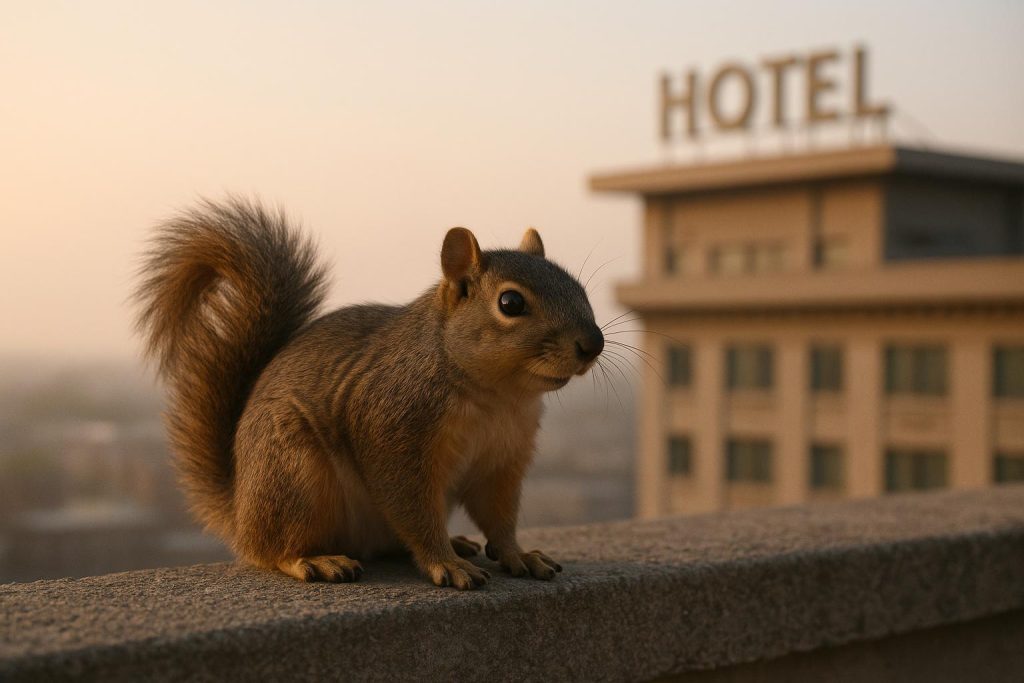
Understanding Humane Squirrel Removal from Hotel Rooftops
Hotels, like many commercial buildings, can attract a variety of wildlife seeking shelter or food. Squirrels are particularly common, thanks to their agility and ability to climb to higher perches. While they may seem harmless, having squirrels nesting or roaming around hotel rooftops can lead to potential damage and health concerns for both guests and staff. This raises an important question: can squirrels be removed humanely from hotel rooftops? In many cases, the answer is yes. Below, we take a calm, professional look at why squirrels are drawn to these spaces, how humane removal works, and why it’s beneficial for property owners to manage these wildlife issues ethically.
Why Squirrels Love Hotel Rooftops
Understanding why squirrels gravitate to hotel rooftops can help guide an effective, humane approach to controlling their presence. Here are some reasons they find your rooftop appealing:
- Height and Safety: Elevated spaces make squirrels feel relatively secure from ground predators. A rooftop can act like a tree canopy, providing views of the surroundings without tipping off potential threats.
- Warmth and Shelter: Hotel rooftops can offer warmth from sun-soaked surfaces or from ventilation systems. Open vents, chimneys, or small gaps in the roof trim can become nesting sites if not properly sealed.
- Food Sources Nearby: If your hotel has outdoor dining areas, trash containers, or nearby landscaping, squirrels might be enticed by consistent snacking opportunities. When food is plentiful, squirrels stick around.
By knowing why squirrels choose hotel rooftops, property managers can develop better strategies for preventing infestations and ensuring these animals don’t disrupt daily operations.
Common Signs of Squirrel Activity
If you suspect that squirrels have made your hotel rooftop their new home, keep an eye out for the following signs:
- Noises in the Early Morning: Squirrels are diurnal. You may hear scratching or scampering sounds at dawn or dusk.
- Visible Nesting Materials: Twigs, leaves, and shredded insulation can indicate that squirrels are building nests in hidden rooftop corners.
- Roof Damage: Chewed edges around vents, soffits, and fascia boards, or small holes near roof lines could indicate entry points.
- Droppings: Accumulated droppings or foul odors from enclosed rooftop areas might point to an ongoing squirrel presence.
Identifying these signs early on can help you address potential issues before major damage occurs.
Is Squirrel Removal Always Humane?
In many cases, squirrels can be removed without harm by using humane techniques. The goal is to minimize stress on the animal while effectively preventing it from causing damage or multiplying on the property. Common humane methods include:
- Live Trapping: Professional pest control technicians can set up live traps to capture squirrels without harming them. Once captured, the squirrel can be relocated to a more suitable environment.
- One-Way Doors: One-way door systems allow squirrels to exit a rooftop or attic space but not re-enter. This approach typically works best when the entire structure is inspected and any secondary entry points are sealed.
- Exclusion and Sealing: Blocking entry points with durable materials prevents squirrels from getting back inside. This method is not only humane but highly effective for long-term prevention.
It’s important to note that humane wildlife removal is not universal for every pest: certain insects (like ants or cockroaches) require a different approach. But for squirrels, using live traps, proper exclusion, and ethical handling are strongly recommended whenever possible.
Steps for Safe & Ethical Squirrel Management
Removing squirrels humanely from a hotel rooftop involves a few key steps. Whether you’re a property manager coordinating a wildlife solution or a hotel owner seeking peace of mind, here’s what tends to happen:
- Inspection: A thorough inspection helps locate entry points, nests, and any damage. Understanding how and why squirrels are accessing the rooftop is essential for successful removal and prevention.
- Assessment and Planning: After the inspection, a professional pest control plan is developed. This plan will typically specify if live trapping, one-way doors, or a combination of methods is the best option. Ethical practices emphasize minimal stress for the squirrels while reducing property damage and safety hazards for guests.
- Implementation: Once a strategy is chosen, professionals install traps, seal off entry points, or set up one-way doors. Humanely removing squirrels means checking traps regularly so animals are not left unmonitored.
- Relocation or Release: Trapped squirrels are either relocated to a more suitable habitat or released onto the property in a way that prevents re-entry to the building—depending on local regulations. It’s important to verify that any nest with young squirrels is managed carefully so the entire family remains together, where feasible.
- Repair and Prevention: Once the squirrels are out, it’s crucial to address any damage and seal up potential entryways. This step helps prevent future squirrel intrusions and builds a long-term, pest-free environment.
Following ethical guidelines protects both the animals and your hotel property, minimizing stress for everyone involved.
Why Seek Professional Assistance?
While some property managers attempt do-it-yourself methods, hiring a professional often ensures a faster and more sustainable outcome. Here’s why a trained pest control technician can make a difference:
- Expert Assessment: Certified technicians know how to find hidden entry points and gauge the seriousness of the problem.
- Safe Methods: Professionals employ safe, humane solutions that respect both the animals and local regulations.
- Proper Equipment: Whether it’s live traps or one-way doors, specialized gear is essential for trapping squirrels without harm.
- Long-Term Solutions: Pest control experts can provide deeper insights into preventing re-infestations, such as recommending trim repairs, sealing vents, or adjusting landscaping near rooftops.
Professional wildlife control is not only about removing the immediate issue; it also creates a foundation for long-term pest prevention. It’s an investment in the safety and reputation of your hotel.
How Humane Removal Aligns with Safe, Ethical Practices
A humane approach to squirrel removal benefits everyone involved. Here’s how:
- Preserves Local Wildlife: Squirrels play a role in local ecosystems, helping with seed dispersal and soil aeration. Relocating them responsibly safeguards their contribution to the environment.
- Respects Hotel Guests and Staff: A more harmonious resolution underscores your hotel’s commitment to safety, cleanliness, and ethical standards.
- Minimizes Damage: The quicker squirrels are relocated, the less chance they have to gnaw on wiring or damage rooftop materials.
- Reinforces Long-Term Prevention: Humane methods typically go hand in hand with robust prevention strategies, which save time, money, and hassle in the future.
When it comes to squirrels, focusing on removal methods that minimize harm aligns with a genuine commitment to good stewardship of both your property and local wildlife.
Addressing Potential Concerns
Some property owners or managers worry that humane methods won’t be as effective, but targeted, ethically guided approaches often produce reliable results. Humane treatments still require expertise—just because a method is non-lethal does not mean it’s less capable. In fact, a well-executed humane plan often resolves the issue at its root, rather than providing a quick fix that leaves entry points open for the next round of intruders.
Additionally, many worry about local regulations regarding the relocation of wildlife. It’s true that releasing squirrels in new environments should be done carefully and in some cases may require permits or adherence to specific rules. A professional pest control service can navigate these requirements appropriately. Adhering to these standards prevents accidental harm to squirrels and helps maintain balance within the local ecosystem.
Why Not the Same Approach for Insects?
Although humane wildlife removal is emphasized for mammals such as squirrels, skunks, or birds, the same methods do not apply to insects like bed bugs, cockroaches, ants, or wasps. These pests are generally managed through targeted treatments, some of which may be lethal, because more gentle relocation techniques are unfeasible or ineffective for insects. Still, an ethical approach remains important: ensuring products and methods are used responsibly to minimize risks to people, pets, and the surrounding environment.
It’s also worth noting that Birch Fumigators does not provide services for bees; we refer those calls to local swarm catchers. Bee protection is crucial, so we prefer to partner with specialized professionals who handle them with the care they deserve.
Final Thoughts and Next Steps
When it comes to squirrel activity on hotel rooftops, there’s no need to resort to harsh methods. Humane removal practices not only help you address the issue ethically, but also protect your reputation as a property owner committed to sustainable, compassionate solutions. By employing strategies like live trapping, one-way doors, and thorough exclusion work, you can maintain a welcoming environment for your guests while minimizing stress on local wildlife.
If you’re still unsure how to handle your specific situation, remember that you don’t have to face it alone. For guidance specific to your hotel rooftop or concerns about squirrels, feel free to contact our team of licensed technicians. Our goal is to offer safe and responsible approaches that give you lasting relief and peace of mind.
To learn more about our broad pest control services, including methods that help ensure local pest-free environments, visit our Home page. Whether you’re dealing with squirrels, mice, or other common invaders, we’re here to share expert advice and practical ways to keep your property secure.