
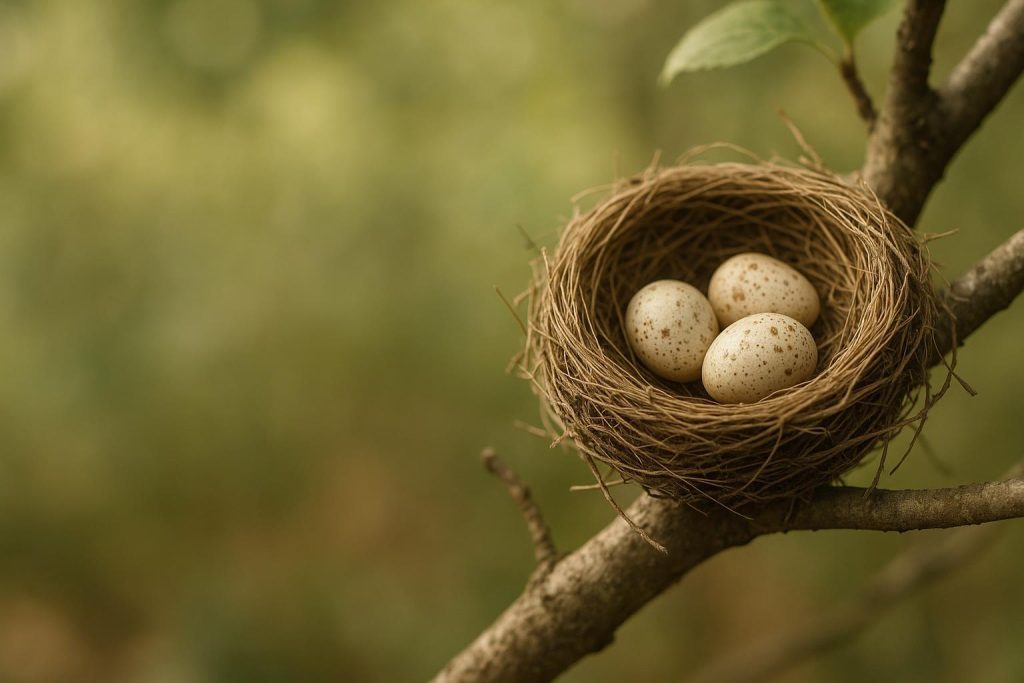
Understanding Bird Nest Removal Laws in Canada
Birds are a vibrant part of Canada’s natural landscape. Yet, when they choose inconvenient places to nest—like your roof soffits, eaves, or vents—homeowners often feel uncertain about how to proceed. In many cases, it’s not as simple as just taking down a nest. Laws regulating bird nest removal exist to protect both migratory bird species and native wildlife, and understanding these regulations can be essential for doing the right thing.
In this comprehensive guide, we’ll discuss the legal framework around bird nest removal, how to handle it safely and ethically, and what you can do if a nest is posing problems for your property. While it may be tempting to act quickly when birds settle somewhere inconvenient, it’s vital to recognize that disturbance or destruction of active nests can lead to serious consequences under Canadian law.
Why Bird Nests Are Protected in Canada
Most people understand the importance of wildlife conservation in Canada. Maintaining healthy bird populations contributes to pollination, pest control, and overall biodiversity. When it comes to nesting, the well-being of eggs, hatchlings, and nesting adults is crucial to a species’ survival. Consequently, certain regulations exist to help ensure birds have a safe environment to reproduce.
Under federal law, many bird species are safeguarded by the Migratory Birds Convention Act, 1994 (MBCA). The Act makes it an offense to harm or interfere with certain migratory birds, their eggs, or nests. Even some non-migratory birds are protected at provincial levels, further adding layers of complexity to nest removal.
The Migratory Birds Convention Act and Regulations
The MBCA is among the most comprehensive federal acts protecting birds in Canada. The act grants protection to migratory birds by prohibiting certain activities, including:
- Possession: Holding protected birds (dead or alive) or their eggs without a permit.
- Disturbance or destruction: Damaging, moving, or removing active nests of protected species.
- Trading or selling: Involvement in the buying, selling, or trading of migratory birds, eggs, or nest materials.
A list of bird species protected under the MBCA is comprehensive, encompassing geese, ducks, raptors, songbirds, and more. As a homeowner or property manager, you may not always know which birds are specifically listed under federal or provincial rules. Because of that, it’s usually wise to assume the bird’s nest could be protected until you’re sure otherwise.
Provincial and Local Regulations
In addition to federal rules, every Canadian province has laws protecting wildlife. These can include specific regulations about non-migratory birds like crows, magpies, or others that may frequently nest near human structures. Local bylaws at the municipal level also sometimes add another layer of oversight. Penalties can vary by region, from substantial fines to potential legal implications if nests of protected species are interfered with. Consult your province’s wildlife enforcement agency or environment department for confirmation on which species are protected and how regulations apply.
Penalties for Removing or Disturbing Bird Nests
One of the key reasons homeowners and property managers should take care around bird nests is the legal repercussions. Removing or disturbing a protected nest can result in penalties such as:
- Fines: These can go into the tens or even hundreds of thousands of dollars under federal laws for serious violations.
- Criminal charges: In rare cases, repeated or egregious offenses could lead to legal consequences, including charges under Canadian Wildlife Acts.
- Reparation orders: Courts may impose requirements to restore habitat or undertake conservation activities as a penalty.
Even when no active chicks or eggs are present, an abandoned nest may still have some legal protection. Always do your due diligence before attempting any removal, especially if you aren’t certain of the species or the nest’s status.
When Can You Remove a Bird’s Nest?
The most important detail in identifying if you can remove a bird’s nest is whether or not the nest is active. An active nest generally means that eggs or chicks are present or that the platform is in use. Here are some scenarios:
- Nest is empty and clearly abandoned: If the breeding season has passed and there is no sign of eggs or birds returning, you can often remove it. But always confirm that it’s indeed inactive.
- Nest belongs to a non-protected species: Some birds are not covered by the MBCA, and provincial regulations vary. Verification is still vital in case local rules apply.
- Nest removal with a permit: In some specific situations, governmental agencies may grant permits for nest removal or relocation, especially if there is a safety hazard.
In all cases, if you’re uncertain, it’s best to contact a licensed wildlife or bird control professional who understands current regulations. Attempting to address the problem alone could lead to unintentional violations.
Safe and Ethical Bird Nest Removal
When you must remove a nest or discourage birds from settling where they can cause problems, there are responsible approaches:
- Timing: One of the safest ways to handle nest removal is to wait until after the nesting season. Once fledglings have left, it is generally permissible to remove and dispose of the structure.
- Hire a Professional: Seasoned wildlife control experts or pest control professionals experienced with birds can confirm if a nest is active or protected. Hiring someone who’s familiar with your local regulations helps ensure you stay compliant.
- Humane Deterrents: In many cases, preventative measures such as installing netting, placing visual deterrents, or making certain areas less attractive for nesting can be more effective than removing an existing nest. However, keep in mind that preventing nest building in the first place is simpler than removing an active nest.
By taking the time to follow correct guidelines and respect the laws, you reduce the risk of fines or harming a protected species. Proper nest management aligns with the values of ecological responsibility, ensuring that bird populations remain robust for years to come.
Practical Tips for Preventing Unwanted Nests
Instead of waiting until a bird has already claimed your property as a nesting site, you can act preemptively. Here are a few strategies to discourage birds from nesting:
- Seal Entry Points: Look for gaps and openings where birds might sneak into eaves, lofts, or vents. Using mesh or other suitable materials can help block these areas without harming birds.
- Protective Barriers: Install netting or guards around light fixtures, ledges, or other favorite perching spots.
- Trim Overgrowth: Dense bushes or untrimmed trees near a home can provide inviting nesting sites. Keep landscaping maintained so birds are less inclined to set up close to your residence.
- Regular Inspection: A quick seasonal check of your attic, garage, or other structures can spot early signs of any nest-building before it becomes a more complicated issue.
Doing these tasks before nesting season begins is one of the most effective ways to keep your space bird-free—while still respecting the wildlife around you.
Handling a Bird Nest on Your Property
Even with preventative measures, a bird may still decide to build a nest on your property. If the nest is in an inconvenient or potentially harmful spot—like a ventilation duct—it can pose health risks from droppings, mites, or unpleasant odors. It may also threaten the bird’s safety if it’s a high-traffic area. In these cases, consider the following steps:
- Identify the Species: First, try to identify the bird. If you see a mother bird frequently returning, that’s an immediate sign it may be active and protected.
- Observe from a Distance: Checking the nest’s activity without getting too close helps prevent accidental disturbance. Use binoculars or a safe vantage point.
- Consult Local Wildlife Authorities: If you’re unsure whether the nest is protected, local authorities or licensed professionals can provide clarity.
- Decide on Next Steps: If it’s safe, waiting until the brood fully fledges is often the least complicated and most humane approach. If it’s an urgent matter due to safety hazards, you may need to seek a special permit. Always follow professional advice to ensure legal compliance.
How Professionals Approach Bird Nest Removal
Professional wildlife or bird control services often follow a structured protocol, beginning with identification of the species and whether it is protected. If the nest is discovered to be active, many professionals will encourage homeowners to keep a respectful distance until the breeding cycle is complete, unless the nest poses an immediate danger. If a permit is required for removal, licensed professionals know the proper channels to go through, potentially saving you considerable legal complications.
While some pest control companies focus on quick fixes, an ethical approach to bird nest removal prioritizes safety for both the homeowner and the animals. This might include using non-lethal deterrents and repair strategies—like sealing potential entry points—to prevent birds from returning.
What About Other Wildlife Nest Removal?
Beyond birds, you might encounter situations with small animals or other wildlife taking up residence. Many people dealing with mice or ants might wonder if similar rules apply. In Canada, the regulations for insects like ants—or rodents such as mice—differ from bird laws. Generally, insect and small rodent management operates under less stringent federal wildlife protection frameworks. With that said, it’s always good practice to consult guidelines around humane treatment and safe control measures to avoid harm to non-target wildlife, pets, or people.
Keep in mind that certain insect species, such as wasps, can pose hazards if nests are left unchecked. For wasps or other pests, targeted treatments can be necessary to protect your home and family. Doing it yourself without proper gear or knowledge can be dangerous, so professional advice is strongly recommended.
Seasonality and Bird Behavior
Nesting is highly tied to the seasons. In most parts of Canada, birds begin building nests in the spring, lay eggs shortly after, and care for their chicks into early to mid-summer. By late summer, many young birds have fledged. Knowing these natural cycles can help homeowners plan any maintenance or renovations around quieter periods to avoid entanglement with local wildlife. Scheduling roof or eavestrough work for late summer or fall can often reduce the likelihood of disturbing active nests.
Do You Need Professional Support?
If you suspect that a bird nest on your property is creating a hazard or want guidance on how to address a nesting situation, a licensed pest control or wildlife control specialist can help you determine if the nest is protected and the best course of action. This may involve waiting until the birds leave voluntarily, or exploring safe, legal removal options. In certain scenarios, you might need special permission from wildlife regulators—especially for species covered by the MBCA. A qualified professional will be aware of these rules and can guide you responsibly.
We Provide Ethical Bird Nest Solutions
In many cases, birds that are causing nuisance or damage might be humanely relocated if it aligns with all legal requirements. Since each situation is unique, it’s helpful to have professional advice that can combine knowledge of regulations with practical solutions. Distinguishing a protected bird from one that isn’t can be challenging for an untrained eye, so relying on those who know the distinctions is a key step toward avoiding hefty fines and ensuring the birds’ welfare. If relocation isn’t an option but the nest is inactive, removal should still be done with caution.
Final Thoughts
Removing a bird’s nest in Canada is not always a straightforward action. Given the laws under the Migratory Birds Convention Act, along with provincial and local regulations, it’s essential to proceed carefully to avoid legal complications and protect local bird populations. Whether you’re a homeowner with an unexpected nest blocking a vent, or a business owner concerned about potential damage, understanding the basic guidelines is your first step to making ethical, compliant decisions.
In many scenarios, waiting for the nesting season to end is the safest and easiest route. If a nest is posing an immediate risk, you may need professional advice—possibly even a permit. Either way, approaching the issue responsibly demonstrates a commitment to local wildlife conservation and helps you avoid fines or legal repercussions.
Still have questions? Feel free to contact our team for expert advice. We’re here to offer guidance on protecting both your home and Alberta’s cherished birdlife. By following the correct procedures, you can navigate nest removal challenges safely, all while supporting Canada’s diverse and beautiful avian population.