
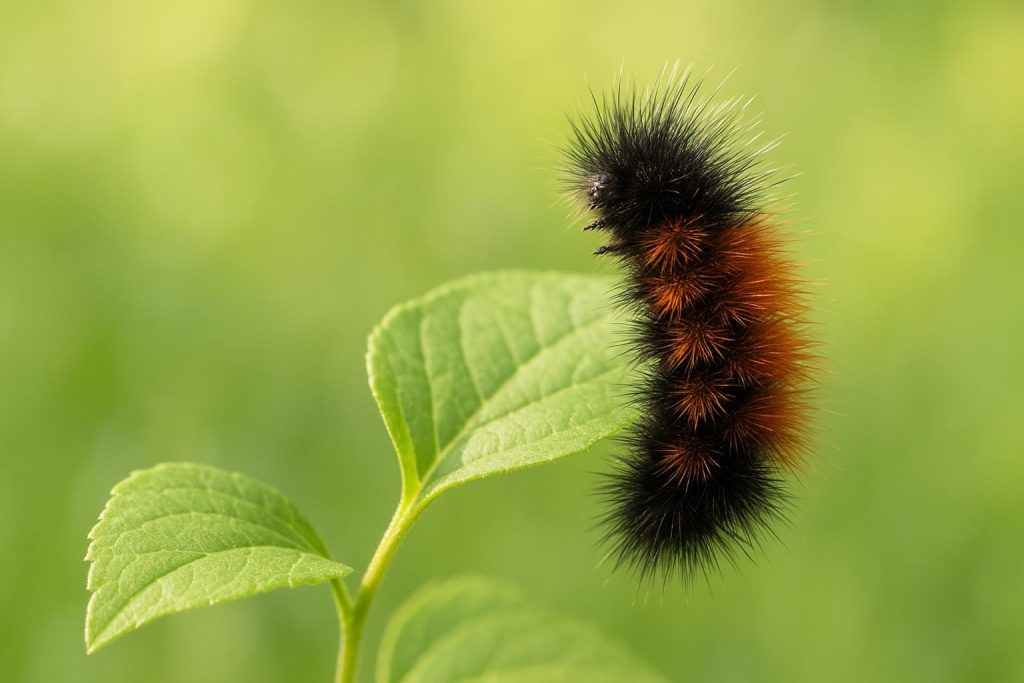
An In-Depth Look at Black and Orange Caterpillars
Black and orange caterpillars have long captured our curiosity with their striking patterns and bright colors. In nature, these markings often act as a boundary line between vulnerable caterpillars and potential predators. Yet, not all black and orange species are toxic to predators or harmful to humans. If you live in a region where these caterpillars are abundant—or if you’ve noticed them crawling around your yard or garden—you may have plenty of questions about their identification, potential danger, and overall role in the environment.
In this guide, we’ll explore key examples of black and orange caterpillars, highlight which ones may be irritating to humans, and discuss ways to coexist with them peacefully. We’ll also address some of the more common questions about handling, safety, and prevention, especially if these caterpillars appear in large numbers. Since many black and orange caterpillars feed on garden plants or trees, you’ll learn the basics of what they eat, how they behave, and what you can do if they become a concern.
Why Are Black and Orange Such Common Colors?
The first thing people notice about these caterpillars is their bold coloring. From a biological and evolutionary standpoint, black and orange often serve as warning colors. Predators in nature learn to associate vibrant orange or red tones with something unpleasant. Sometimes the caterpillar’s defense is chemical, and other times it’s related to the unpleasant texture of their hairs (or spines). A bird or smaller carnivore might take a single bite and learn very quickly that this meal is far from appetizing.
Being brightly colored doesn’t automatically mean a caterpillar is harmful. However, it does encourage predators to think twice. When you see these hues, it’s a reminder that many caterpillars accumulate toxins from their host plants, making them taste bad—or even making them mildly toxic—to certain predators. For humans, however, most black and orange caterpillars remain harmless when admired from a respectful distance.
Common Black and Orange Caterpillar Species
Below are some well-known caterpillars that showcase black and orange color schemes. Each has its own set of traits, including habitat, feeding preferences, and levels of potential irritation. Keep in mind that caterpillars can vary in appearance, depending on their stage of growth (instar), regional variances, or even the season.
- Woolly Bear Caterpillar: One of the most famous examples, the woolly bear caterpillar is black at both ends, with an orange or rusty-brown band in the middle. Though they might look prickly, they are not venomous. They turn into the Isabella tiger moth as adults. Because they’re so recognizable, many people pick them up out of curiosity. While they can sometimes cause mild skin irritation, they pose no serious danger.
- Milkweed Tussock Moth Caterpillar: Distinguishable by dramatic tufts of black, white, and orange hair, these caterpillars thrive on milkweed plants. They, like monarch butterfly caterpillars, exploit the natural toxins in milkweed to discourage predators. While they aren’t considered venomous, their hairs may irritate sensitive skin upon direct contact.
- Giant Leopard Moth Caterpillar: This caterpillar sometimes appears black with bright red or orange bands when it curls up. It transforms into the Giant Leopard Moth, known for its striking spotted wings. Like the woolly bear, it looks bristly and can roll into a tight coil. These bristles are not loaded with poison, so they are generally not harmful to people.
- American Dagger Moth Caterpillar: Typically pale or yellowish with an orange tinge, it carries clusters of black bristles. Though not venomous in the typical sense, contact with these bristles can cause skin irritation or a rash in certain individuals. If you see one of these in your yard, it’s best to leave it be unless you have to relocate it for safety reasons.
- Hickory Tussock Moth Caterpillar: Mostly white in appearance, these caterpillars feature black spots and can sometimes have an orangish tinge near the head or the body tufts. Similar to other tussock caterpillars, their hairs can cause skin irritation. Though rarely serious, it’s wise to wash your hands if you accidentally touch one.
- Cinnabar Moth Caterpillar: Known for its alternating black and orange segments—and commonly found munching on ragwort—this caterpillar warns predators of its toxicity. The ragwort plant contains toxins that deter predators, which the caterpillars sequester in their bodies. Humans rarely need to worry about these toxins unless there is direct ingestion or extensive contact.
Are Black and Orange Caterpillars Poisonous or Venomous?
The words “poisonous” and “venomous” are often used interchangeably, but they have different meanings:
- Poisonous typically refers to an organism that’s harmful to consume. For caterpillars, this can relate to the toxins absorbed from the plants they eat, making them taste bad or be mildly toxic if eaten by a predator.
- Venomous implies the organism has a method of injecting venom, such as fangs or stingers. Caterpillars, by and large, are not venomous, although some have spines or hairs that can break the skin or irritate it.
Black and orange caterpillars are more likely to be classified as distasteful or mildly toxic when eaten (to a bird, for example). They generally do not inject venom. However, some do have irritable hairs that can cause itching, rashes, or mild allergic reactions on human skin. When in doubt, it’s best to admire caterpillars without picking them up.
Where Might You Spot These Caterpillars?
Black and orange caterpillars can appear in many different habitats. Sometimes people see them crossing roads or sidewalks in autumn because certain species travel to find suitable pupation sites. Gardens, fields, and areas with ample host plants (like milkweed or ragwort) also attract these caterpillars. If you maintain a garden with plenty of green foliage, you may see them munching away or crawling along fences. They also dwell on shrubs or underneath leaves, so they could be there even if you don’t notice them right away.
When They Become a Problem
Most of the time, black and orange caterpillars aren’t a serious concern for homeowners or gardeners. They often feed on weeds or native plants and keep to themselves. However, if you find large groups of caterpillars defoliating your favorite ornamental trees or plants, that might call for a closer look.
Defoliation, or the stripping of leaves, can weaken plants. In rare cases of severe infestation, it might raise concerns about the health of your greenery. If you notice a lot of leaf damage, consider monitoring the situation. It’s sometimes possible to remove caterpillars by hand (with gloves) and relocate them to a non-critical area of your yard. For larger-scale issues, professional solutions can be explored.
Natural Pest Control for Caterpillars
Because caterpillars play a vital role in the ecosystem—transforming into beneficial pollinators or controlling weed growth—it is worth taking a balanced approach. Many local birds, parasitic wasps, and other beneficial insects help keep caterpillar populations in check. If their numbers spike one year, it might just be part of a natural cycle. In most cases, these caterpillars don’t stay around long enough to do catastrophic damage.
Still, if you notice your trees or ornamental shrubs suffering, you might consider professional guidance to protect them. For instance, certain caterpillar infestations on trees can be addressed through tree spraying methods that are designed to be low-impact and targeted. A knowledgeable pest control professional can advise on the safest approach that also respects local wildlife.
Handling Caterpillars: Dos and Don’ts
As a rule, caterpillars cater to their own survival and are not out to harm people. But if you—especially a child—are curious about a black and orange caterpillar, keep these guidelines in mind:
- Wear Gloves or Avoid Contact: Even caterpillars that aren’t considered stinging species can trigger mild skin irritation or an allergic reaction. Gloves provide a barrier, and so does a gentle scoop with a piece of cardboard or paper instead of direct hand contact.
- Watch for Irritating Hairs: Species like the American dagger moth caterpillar or various tussock moth caterpillars have fuzzy or spiny hairs that can embed in skin and cause itching. If you’ve accidentally touched one, wash the area with mild soap and water, and avoid rubbing your eyes.
- Don’t Panic: If a caterpillar crawls on you, it’s very unlikely it’s going to do any real damage. Try brushing it off carefully. An occasional mild rash or localized discomfort is the most common complaint.
- Don’t Attempt to Spray Immediately: Reaching for chemical sprays without identifying the caterpillar species may harm beneficial insects or pollinators. Try to identify the species first or consult a professional if the situation seems extensive.
Our Approach to Pest Management
Black and orange caterpillars often form part of the natural rhythm of local ecosystems, feeding on certain weeds or plants. At Birch Fumigators, when it comes to insects like ants, bed bugs, cockroaches, wasps, or spiders, we use targeted treatments that are as low-impact as possible because humane removal isn’t feasible for these particular pests. Our focus for insect control is on effective solutions. Meanwhile, for larger animals like skunks or birds, humane and ethical techniques can be applied when needed to relocate them without harm.
Tree caterpillar infestations—if they threaten the health of your trees—can sometimes be managed by tree spraying treatments. This professional service aims to reduce harmful pest damage while preserving the overall ecosystem. We tailor our approach to local conditions, recognizing that in Edmonton and surrounding communities, seasons play a big role in pest cycles. Whether you’re in Edmonton, Sherwood Park, or nearby, monitoring pest activity during each season can help prevent problems before they start. You won’t need to worry about black and orange caterpillars becoming a persistent issue in most cases, but if they pose a significant threat to your greenery, it’s good to know help is available.
Frequently Asked Questions
1. Can black and orange caterpillars hurt my pets?
Most of these caterpillars are harmless to pets unless your pet decides to eat one. In that case, some species may cause mild oral irritation or an upset stomach. Keep an eye on your pet if they’re prone to poking at or ingesting insects.
2. How do I safely remove caterpillars from my garden?
If you need to remove them without harm, gently pick them up with a gloved hand or a piece of cardboard and relocate them somewhere they can feed on less critical plants. If an infestation is large and actively damaging trees or shrubs, consider a professional consultation.
3. Do I need pest control services for caterpillars?
Usually, caterpillars do not require extensive intervention, as most are vital pollinator or moth/butterfly species in the making. However, if you’re facing significant damage to your plants and want to protect your property, pest professionals can provide options. Keep in mind that you can also explore tree spraying services if certain caterpillars threaten the health of your ornamental trees.
4. Are these caterpillars more abundant in certain seasons?
Yes, many species appear in late spring to summer when host plants are abundant. In the fall, you might see them migrating in search of a safe place to pupate. The exact timing depends on climate and local weather patterns.
5. Should I be concerned about a caterpillar “infestation” on my property?
In most instances, caterpillar gatherings are fleeting. They feed and move on, particularly if they are in the process of pupation. Watch your plants for signs of severe or irreversible damage. If the situation seems out of hand, consult a local expert for guidance. Avoid using harsh or broad-spectrum pesticides that can harm beneficial insects too.
When to Contact a Professional
While black and orange caterpillars represent one of nature’s colorful wonders, there are times when their presence might cause concern. Stripping leaves from important trees, damaging ornamental shrubs, or causing repeated skin irritations can all be reasons to seek help. That doesn’t mean you need heavy-handed solutions. Often, a careful inspection is enough to determine if caterpillars are a genuine threat or simply passing through.
If you see extensive insect damage or suspect a related pest issue (such as ants invading your home or mice scurrying through the garage), a pest control professional can advise on a targeted approach that mitigates the problem without disrupting your entire yard’s ecosystem.
Final Thoughts
Black and orange caterpillars stand out in any landscape. Their eye-catching appearance is rooted in an evolutionary strategy to avoid becoming someone’s meal. Whether pinned with the “venomous” label or not, many of these species are harmless when handled respectfully, though some can cause mild rashes due to irritating hairs. Fortunately, serious health complications for humans or pets are unusual.
Before resorting to any control measures, weigh the benefits caterpillars bring to ecosystems. They transform into moths or butterflies, many of which are pollinators or provide a natural check on certain weeds. In most cases, a live-and-let-live approach works perfectly. If you’re seeing damage to beloved greenery or have questions about a heavy influx of caterpillars, feel free to reach out for guidance. A quick inspection can go a long way in giving you peace of mind while ensuring you aren’t harming beneficial organisms.
Need support with identifying or addressing caterpillar issues? Our licensed technicians are here to help you make an informed decision that respects both your property and the local environment.