
Exploring Alberta’s Forest Insects: Beneficial Species and Common Pests
Alberta’s forested regions are home to an incredible range of insect life. From tiny pollinators that enable plant reproduction to large beetles that pose a threat to valuable conifers, insects play a diverse set of roles in these ecosystems. Understanding which are beneficial and which can cause serious damage helps residents, property managers, and anyone who spends time in local forests better protect these environments. In this in-depth overview, we’ll discuss why insects matter, how to identify common pest insects, and explore the beneficial species that help keep Alberta’s forests healthy.
While a certain level of insect activity is a natural part of forest life—and even critical for pollination, soil fertility, and prey-predator balance—there are times when infestations can grow out of control. Targeting these issues early is essential to preventing tree loss, preserving local biodiversity, and maintaining the ecological balance that supports Alberta’s dynamic landscapes. Below, we explore both sides of the insect coin: pest insects that can damage trees and beneficial insects that help forests flourish.
Why Insects Are Essential to Alberta Forests
Before we dive into specific insect species, it’s helpful to understand how insects fit into the bigger ecological picture. Alberta’s forests thrive on interaction among soil, plant life, wildlife, weather patterns, and, of course, insects. Insects fulfill the following vital functions:
- Pollination: Without pollinators, many forest plants would fail to reproduce. Native bees, flies, moths, and other insects move pollen from one flower to another, enabling the production of seeds and fruit.
- Decomposition: When leaves, tree bark, or other organic materials break down in the forest, insects play a major role in speeding up decomposition. This process recycles nutrients back into the soil, fueling healthy plant growth.
- Pest Control: Predatory insects help regulate populations of other species that might otherwise get out of hand. By preying on leaf-eating larval insects or wood-boring beetles, these beneficial predators help maintain balance.
- Food Source: Insects are a critical source of protein for birds, bats, small mammals, and larger predators. A healthy abundance of insects supports a diverse range of species up and down the food chain.
While every insect has a role, certain species can turn destructive if their numbers explode. Changes in weather, human activity, or other environmental factors sometimes create favorable conditions for pest insects to flourish. When that happens, it’s important to intervene to protect trees and restore balance.
Common Pest Insects in Alberta’s Forests
Many insects in Alberta’s forests are harmless or even beneficial, but a handful can cause serious harm if they multiply unchecked. Below are some of the most notable pest insects to watch for, along with details on how they damage trees and what signs indicate an infestation.
1. Mountain Pine Beetle
- Scientific name: Dendroctonus ponderosae
- Impact: The Mountain Pine Beetle is among the most destructive forest pests. It primarily targets pine trees, such as lodgepole, jack, and ponderosa pines. These beetles burrow beneath the bark to lay eggs, disrupting the flow of water and nutrients within the tree.
- Damage: Infested trees might show reddish-brown needles, along with the presence of pitch tubes—small, resin-filled protrusions on the bark. Heavy infestations can lead to extensive tree mortality across large areas if not managed.
2. Spruce Budworm
- Scientific name: Choristoneura fumiferana
- Impact: This pest primarily feeds on the new foliage of spruce and fir trees. Large-scale Spruce Budworm outbreaks can weaken trees, making them more vulnerable to environmental stress and additional pests.
- Damage: The larvae cause defoliation, reducing a tree’s ability to produce food through photosynthesis. Over multiple seasons, this defoliation can result in severely weakened trees and, in some cases, tree death.
3. Spruce Beetle
- Scientific name: Dendroctonus rufipennis
- Impact: Spruce Beetles target mature spruce trees. Like the Mountain Pine Beetle, they tunnel beneath the bark to lay eggs. Newly hatched larvae feed on the tree’s inner tissues, creating extensive galleries that inhibit the tree’s nutrient flow.
- Damage: Early symptoms often include discolored needles and unusual amounts of sap exuding from the trunk. If an infestation becomes severe, the tree can die.
4. Forest Tent Caterpillar
- Scientific name: Malacosoma disstria
- Impact: Though often seen in smaller outbreaks that may not be disastrous, large populations of Forest Tent Caterpillars can strip leaves from thousands of deciduous trees such as aspen and poplar.
- Damage: Significant defoliation stunts tree growth. While most healthy trees can bounce back, continuous or repeated caterpillar feeding will weaken them, leaving them more susceptible to disease and challenging weather conditions.
In addition to these high-profile pests, plenty of lesser-known bark beetles, moths, and beetle larvae can also impact forest health. Staying alert to changes in foliage color or defoliation patterns ensures early detection, which can make a big difference in keeping pest populations at manageable levels.
Beneficial Insects in Alberta Forests
Despite the damage that some insects can cause, the presence of many insect species is actually a good sign. Alberta forests rely on beneficial insects to pollinate plants, break down organic material, and help control pest species naturally. Encouraging these insects not only protects the forest but also reduces the need for more aggressive interventions. Here are a few essential beneficial insects:
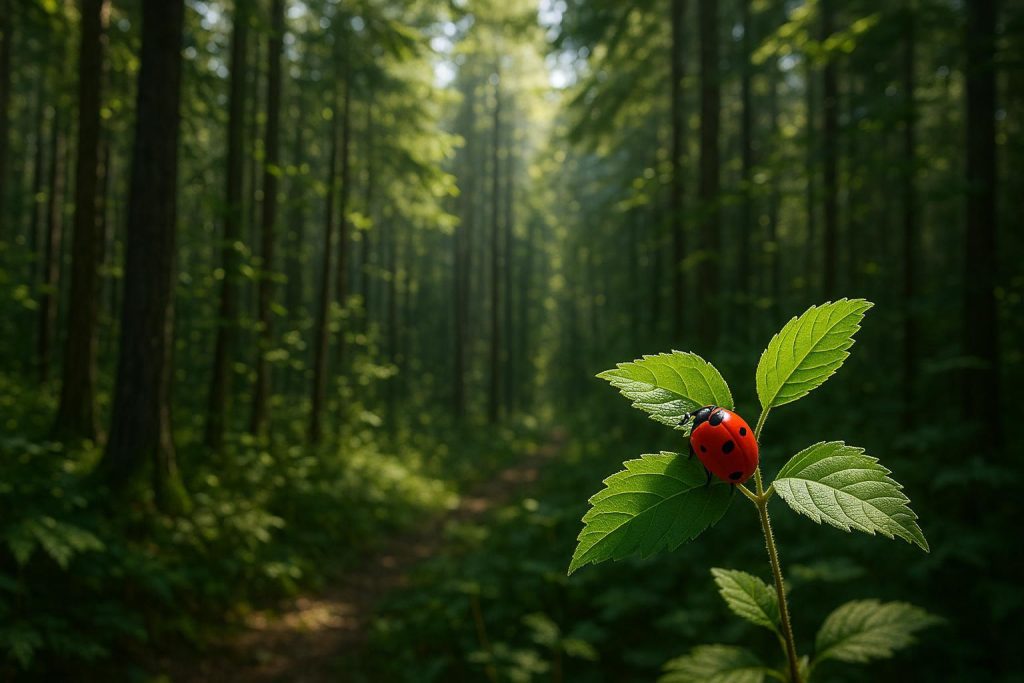
1. Ladybugs (Ladybird Beetles)
- Role: Ladybugs feast on pests like aphids, scale insects, and other small plant-eating bugs. By controlling these species, ladybugs help trees stay healthy.
- Benefit: They significantly reduce minor pest outbreaks, limiting the need for chemical insect control. Their adaptability to different environments makes them valuable for both forest and garden ecosystems.
2. Bees (Native Pollinators)
- Species: This includes bumblebees, mason bees, and leafcutter bees—though it’s important to note that Birch Fumigators does not perform bee removal or pest control services for bees. Instead, we encourage contacting licensed beekeepers should honey bees or large swarms be a concern.
- Role: Bees are vital pollinators. They transfer pollen between flowers, allowing forest plants and flowering shrubs to produce fruit and seeds.
- Benefit: A healthy bee population contributes to robust forest regeneration and overall biodiversity.
3. Ground Beetles
- Role: Ground beetles prowl on the forest floor, hunting soil-dwelling pests and aiding decomposition by breaking down organic matter.
- Benefit: By improving nutrient cycling and reducing certain pest populations, ground beetles support healthier soil and sturdier plant growth.
4. Dragonflies and Damselflies
- Role: Both are aerial predators, feeding on mosquitoes, flies, and other flying insects near forest streams, ponds, or damp areas.
- Benefit: Their predation helps keep annoying insect populations (like biting mosquitoes) in check, making the forest more enjoyable for people and less stressful for wildlife.
Together, these beneficial insects sustain Alberta’s green spaces and foster resilience against infestations and diseases. By encouraging habitat diversity—such as planting native trees or shrubs that promote pollinators—forest managers and homeowners can give these helpful insects an even bigger foothold.
When to Be Concerned About Forest Pests
Pests are always around, and most of the time they’re simply part of a thriving ecosystem. There are, however, certain conditions or symptoms that signal trouble may be brewing. It’s a good idea to take action if you notice any of the following:
- Extensive defoliation: When large clusters of leaves are stripped from trees more quickly than they can regenerate, that is a strong indicator of a caterpillar or budworm outbreak.
- Discolored or wilted needles/foliage: A sudden shift from green and vibrant to brown, yellow, or red can point to beetle larvae interrupting the nutrient flow.
- Evidence of boring insects: Small holes in the bark, excessive sap on the trunk, or “sawdust” near the base often signal bark beetles.
- Growth of abnormal formations: Pitch tubes, webbing, or leaf tents forming across multiple branches or numerous trees in one area can hint at a spreading infestation.
Minor issues can sometimes be resolved by nature’s own checks and balances, especially if beneficial insects are present in sufficient numbers. However, if you suspect an infestation is progressing quickly, seeking expert advice can help determine whether targeted treatments are necessary.
Maintaining a Healthy Balance
The goal in any forest ecosystem is balance. Pests play a role by providing food for various animals, but letting pest populations run wild leads to large-scale tree loss. Conversely, beneficial insects need appropriate habitats. Here are a few steps to maintain equilibrium:
- Encourage Biodiversity: A range of tree species, native shrubs, and flowering plants supports a robust community of insects, birds, and other wildlife that help keep pest species in check.
- Use Eco-Friendly Practices: If pest control becomes necessary, choosing low-impact, ethically applied treatments helps safeguard beneficial insect populations while targeting the actual threat.
- Inspect Trees Regularly: A quick visual sweep of your property for early signs of damage can prevent major problems later.
- Avoid Overuse of Chemicals: Some broad-spectrum insecticides can inadvertently harm beneficial insects, creating a ripple effect in the ecosystem. Opting for spot treatments and consulting with professional pest control specialists can reduce collateral damage.
When it comes to preserving Alberta’s forest heritage, small, proactive measures can go a long way. By supporting beneficial insects, monitoring for threats, and intervening only when necessary, we can maintain healthy, vibrant forests.
How Professional Pest Control Helps in Forested Areas
In certain situations, infestations can become so severe that health and safety are at risk—both for the trees themselves and for people who live or work nearby. If you own rural property or have an acreage adjacent to forested land, you might see signs of increasing pest damage. This is where seasonal and carefully targeted solutions, like tree spraying, can make a huge difference.
- Preventative Treatments: When professionals like Birch Fumigators inspect your trees, they can spot early-stage pest activity and apply preventive measures, reducing the risk of severe outbreaks.
- Specialized Knowledge: Our team identifies the specific insect involved, employs the safest and most effective methods, and minimizes any unintended impacts on non-target organisms.
- Tree Spraying: For some pests—especially those that attack tree canopies—tree spraying can provide a layer of protection that wards off destructive infestations before they spread.
- Long-Term Monitoring: After dealing with the immediate threat, ongoing observation ensures that pest levels remain manageable and that beneficial insects continue to thrive.
Working with Birch Fumigators
At Birch Fumigators, we understand that a thriving forest includes both helpful insects and occasional pests. Our goal is to balance pragmatic solutions—like professional pest control treatments if needed—with respect for the broader ecosystem. We focus on safe, environmentally responsible approaches that help preserve Alberta’s forest heritage.
Our services are customized to specific situations. While we can’t always take a purely “humane” route with insects (as opposed to wildlife like squirrels or birds), we still use products and methods that are as targeted and low-impact as possible. Our trained pest control professionals aim to address destructive insects in a way that protects your trees without making an unnecessary impact on other living creatures in the area.
Signs It’s Time to Consult an Expert
If you’re seeing large clusters of dying trees, widespread defoliation, or advanced early symptoms of beetle activity on your property, it may be time to seek professional guidance:
- Pine and Spruce Discoloration: Watch for brownish needles in pines and spruce trees, as well as pitch tubes that could signal pine beetle or spruce beetle activity.
- Multiple Caterpillar Tents: If your aspen or poplar trees have numerous tent-like nests, your property may be on the cusp of a major Forest Tent Caterpillar outbreak.
- Sudden Leaf Loss: Large groups of caterpillars or invasive moths can strip entire sections of foliage, leaving the forest floor littered with leaves out of season.
- Sawdust or Boring Holes: Piles of fine wood dust near trunks and tiny holes in bark can be early warnings of a growing wood-boring insect issue.
For any of these warning signs, a proactive approach is key. Early identification allows for the selective treatment of affected areas, reducing damage and protecting nearby trees.
Supporting Alberta’s Forest Ecosystems
When forests lose their balance due to pest outbreaks, the ripple effects can be profound—impacting wildlife, recreational areas, and even the forestry industry. By keeping an eye on your own backyard or property, you become a vital part of Alberta’s conservation efforts. Whether you’re a homeowner with a few spruce trees, a municipality responsible for large tracts of forest, or a property manager overseeing community green spaces, taking practical steps now ensures future generations can continue enjoying the lush, biodiverse forests that make Alberta unique.
If you need guidance discerning beneficial insects from pests, or suspect a pest outbreak in your forested area, feel free to reach out to Birch Fumigators. We don’t just treat the problem; we aim to educate and equip you with strategies to maintain a healthier habitat all around.
Thinking Ahead
Nurturing beneficial insect populations goes hand in hand with keeping an eye on emerging pest threats. Touchpoints like seasonal forest walks, occasional tree assessments, and open communication with forestry professionals can help you stay informed. When you do encounter destructive insects, acting swiftly can mitigate damage and protect entire stands of trees.
Above all, remember that insects aren’t your enemy. The majority serve crucial roles in pollination, decomposition, and natural pest control. By recognizing both the valuable contributors and the dangerous pests, you can appreciate the full mosaic of life in Alberta’s forests. That knowledge empowers you to make well-informed decisions—ones that help keep our forests rich, resilient, and brimming with natural beauty for years to come.
Need support with this issue? If you suspect a significant outbreak or want an expert tree assessment, Birch Fumigators is here to help. Our pest control professionals can help you identify if the insects around your forested property are harmful or beneficial, and suggest tailored treatment plans when needed. Want help identifying the issue? Contact Birch Fumigators today for an inspection or to learn more about our tree spraying programs and other services designed to safeguard Alberta’s trees.