Keeping Pet Food Pest-Free in Your Kitchen
Pet food can be an irresistible draw for insects and rodents looking for a reliable meal. Whether you have a dog, cat, or other furry friend, the way you store and serve their food plays a key role in preventing pest problems before they start. This guide offers practical, reassuring steps to help you keep your kitchen pest-free while still ensuring your pets get everything they need.
From sealing food in airtight containers to cleaning up spills immediately, these tips will help prevent common pests like ants, cockroaches, and mice from making your pet’s dinner their own. By understanding the habits of both your pets and local pests, you can maintain a comfortable, healthy home environment for the whole family—including the four-legged members.
1. Why Pet Food Attracts Pests
Pet food is specially formulated to be tasty and nutritious, which often means it contains strong scents, proteins, and fats. Many of the same qualities that make it appealing to your dog or cat also make it irresistible to pests. Mice, ants, and cockroaches in particular are always on the hunt for a reliable food source. Even small layers of residue or spilled crumbs can catch their attention. Couple this with water sources (like a pet’s water bowl or accidental drips), and you create a perfect environment for pests to settle in.
Unlike humans who generally clean up after every meal, pets often snack or nibble at their food intermittently. You might fill a bowl in the morning, and the pet will return throughout the day. While convenient for your schedule, this constant availability of pet food can draw pests if precautions aren’t taken, especially in warmer months when insects are more active.
2. Store Pet Food Properly
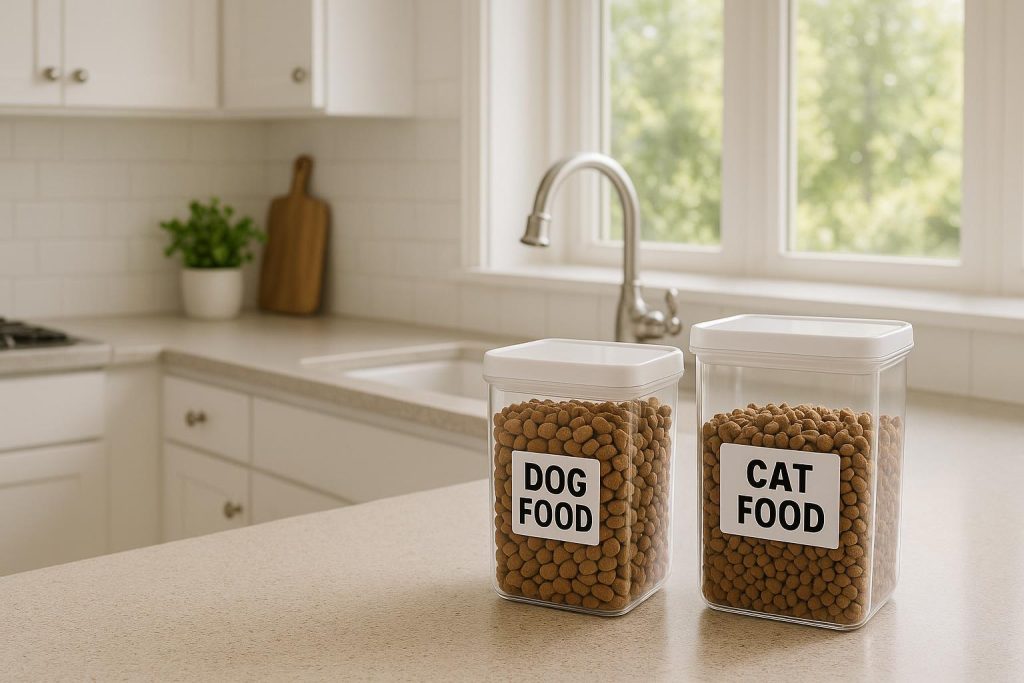
Investing in sealed, airtight containers is one of the most effective ways to keep pests out of your pet’s food supply. Most pet foods come in large bags that might not reseal easily, allowing odors to escape and granting pests an opening to get in. Look for containers made from sturdy plastic, metal, or thick glass that have a snap-tight or twist-lock lid. Transfer the pet food from the bag to the container as soon as possible, and store this container off the floor—on a shelf or in a pantry, if possible.
If you buy in bulk, break the food down into smaller containers so you only open one container at a time. This reduces the amount of food exposed to air. Label each container with the purchase date, so you don’t accidentally keep food longer than recommended. Freshness matters, both for preventing pests and for preserving optimal nutrition for your pet. When possible, keep your pet food in a cool and dry area of your kitchen. Regularly inspect both the lid and the container itself for cracks, wear, or any sign that pests have tampered with it.
3. Clean Up Spills Immediately
A small pile of kibble under a counter or some wet food left on the floor may not seem like a big deal, but to pests, it’s a buffet invitation. The quicker you remove spills and residual bits of food, the fewer opportunities pests have to establish themselves. Sweep or vacuum the kitchen floor daily, paying special attention to corners, beneath cabinets, and under your pet’s feeding area.
It’s a good idea to keep paper towels or a designated cleaning cloth handy near the feeding station. If your pet is prone to knocking over the dish, consider using a spill-proof mat or tray under the food bowl. Mats with raised edges can help contain scattered food bits and water spills, making clean-up easier—especially if you have a playful dog or cat that loves to bat their food around.
4. Control Feeding Times
Some pet owners prefer to free-feed by leaving food out for their pet around the clock. While this might work well for certain animals, it can also attract pests if food is always available in the open. Instead, designate specific feeding times and remove leftover food after your pet has finished eating. This approach significantly reduces the window of opportunity for ants, mice, and other pests to sneak a snack.
If your schedule makes timed feeding challenging, consider using an automatic pet feeder with a sealed container that releases only the portion your pet needs. This helps keep food fresh and prevents critters from accessing constant food sources. Not only does this protect against pests, but it also helps maintain proper portion control for your pet, contributing to healthier weight management.
5. Wash Bowls and Feeding Areas
Leftover food residue can build up quickly on bowls, especially if you serve wet food. This buildup can produce odors that persist long after mealtime, essentially sending out an aromatic alert to nearby pests. Make a habit of washing your pet’s bowls with hot, soapy water after every meal. Thoroughly dry the bowls before returning them to the feeding area—excess moisture can invite problems of its own by creating a hydration source for insects.
Beyond the bowls, it’s wise to wipe down any feeding stations, such as mats or placemats, that might have accumulated crumbs or drips. The cleaner the area remains, the less likely pests will find a reason to linger. Remember, a pest’s survival depends on easy access to both food and water. Reducing these resources is at the core of all successful pest control strategies, no matter how small or large your home may be.
6. Consider Additional Barriers
When standard precautions aren’t enough—perhaps because your home is in a rural area or you have a pet that loves to scatter kibble everywhere—there are additional barriers you can use. For instance, some people place sticky traps or non-toxic traps near the baseboards of their kitchen to catch any mice passing by. Keep these traps well out of your pet’s reach or enclosed in tamper-resistant stations if you suspect mice activity. If you do notice rodents, learning more about safe and discreet mouse control can help. Feel free to explore our approach to Mice for more details.
For ants or cockroaches, sealing cracks in your kitchen cabinets, baseboards, and around windows or doors is a proactive step. Over time, tight seals and well-fitted screens help keep pests from wandering into your feeding areas. If you suspect ants are entering, consider reading about our Ants control approach. For cockroach concerns, information about Cockroaches can also be helpful. Remember to ensure your actions remain safe for your household and pets.
7. Conduct Routine Kitchen Inspections
Pest prevention is an ongoing process. Perform regular inspections of your kitchen, paying close attention to where you keep your pet food. Check the backs of cabinets and around appliances for any signs of droppings, gnaw marks, or insect trails. Look for possible water leaks under the sink or behind your fridge, as water sources complement the food pests may find in your kitchen.
If you pick up on warning signs early, you can take action before a minor issue turns into a serious pest problem. Tackle any small repairs or leaks right away. If you’re unsure about certain signs—like whether those black specks near the baseboard are mouse droppings—consider reaching out to a professional pest control technician for clarity. Even a short call can offer reassurance and guidance.
8. Keep the Floor and Trash Bins Tidy
In addition to cleaning up pet food, focus on your overall kitchen cleanliness. Regularly empty and sanitize your trash bins, especially if you toss leftover pet food or wet food cans into them. Use bins with tight-fitting lids that pests can’t pry open or chew through. Whether it’s a small indoor garbage or a large outdoor bin, a secure lid is your first defense against scavenging animals and insects.
Your floors are often the final landing spot for crumbs, so daily sweeping or vacuuming is a smart strategy. Don’t forget to mop at least once a week, using cleaning solutions that are safe for your pets but help remove sticky spills and any lingering food smells. This combination of sweeping, vacuuming, and occasional mopping will greatly reduce the chances of pests finding an easy meal.
9. Monitor Your Pet’s Eating Habits
Not all pets eat in a neat, linear fashion. Some cats may ‘fish out’ certain pieces of kibble to play with before eating, and some dogs can be quite messy with their water bowls. If your pet tends to scatter food around, consider investing in a rimmed feeding tray. For heavy-water drinkers, place a mat under the water bowl to catch drips.
Also, pay attention to how quickly your pet eats. If you notice they lose interest halfway through, you might be serving them too much. Try adjusting portion sizes or feeding more frequent, smaller meals if that suits your pet’s routines better. This helps ensure food isn’t left sitting out, attracting pests when your pet leaves the area.
10. Know When to Consult a Professional
A proactive approach generally works well, but sometimes pests become an issue despite your best efforts. In such cases, consulting a reputable pest control professional can save you time, stress, and potential damage to your home. Professionals can perform thorough inspections, identify specific infestations, and guide you toward safe, effective solutions tailored to your situation.
Here at Birch Fumigators, we emphasize methods that are as eco-friendly as possible for dealing with ants, cockroaches, wasps, and other insects. For rodents, we employ discreet, humane approaches wherever appropriate, focusing on elimination of the infestation in a way that respects your home, family, and pets. Our team understands how stressful it can feel to see pests around your pet’s food supplies, and we aim to resolve the issue swiftly while protecting what matters to you.
11. Final Thoughts and Preventive Steps
Keeping pet food in your kitchen doesn’t have to invite unwanted pests into your home. With consistent cleaning, proper storage, and a watchful eye, you can significantly reduce the risk of ants, cockroaches, mice, or other pests finding their way into your pet’s bowl. Remember that pest prevention is an ongoing process rather than a one-time event. By staying vigilant—sweeping up unnoticed crumbs, sealing containers tightly, and scheduling routine checks—you’ll create an environment that prioritizes both your pet’s nutrition and your kitchen’s cleanliness.
If you have further questions about preventing pests from feasting on your pet’s food, feel free to reach out. Whether you’re curious about signs of an early infestation or simply want to ensure your home remains pest-free, Birch Fumigators is here to help. From fortifying your kitchen against ants, cockroaches, or mice to offering guidance on maintaining a hygienic feeding area, our mission is to help you enjoy a balanced, pest-free peace of mind. After all, you shouldn’t have to worry about sharing your pet’s meals with uninvited guests.
Need support with this issue? Birch Fumigators is here to assist.