
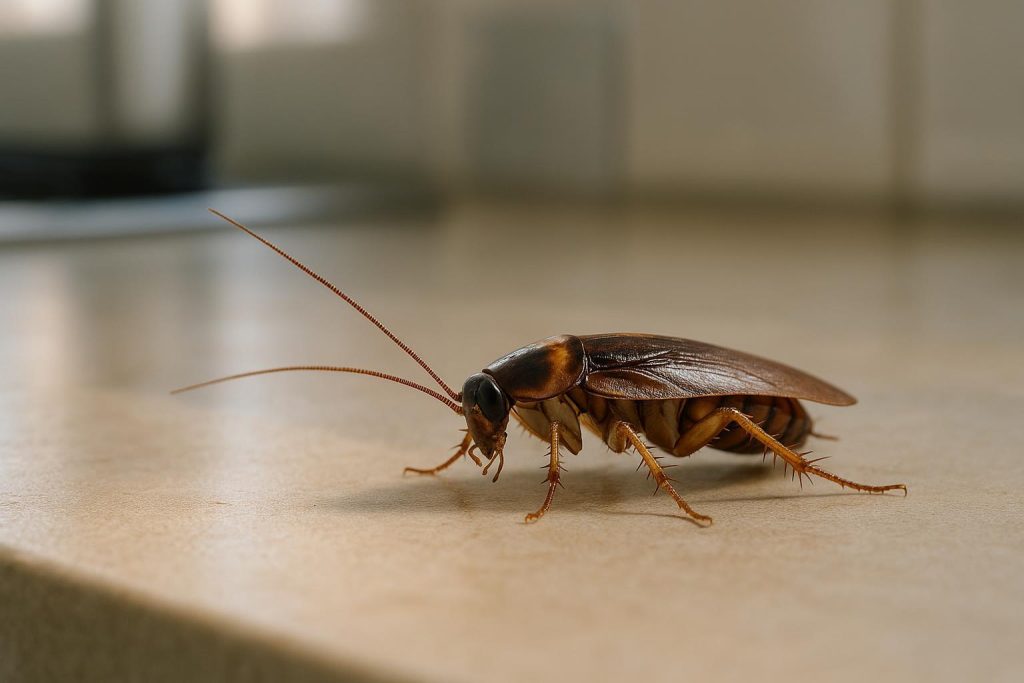
Understanding German Cockroach Habitats
German cockroaches are among the most widespread indoor pests throughout many parts of the world. They typically thrive in locations where warmth, moisture, and easy access to food are present, making them particularly successful at settling inside homes or commercial buildings. Recognizable by their light brown coloring and two dark stripes just behind the head, German cockroaches are small in size but large in numbers when left unchecked. By understanding where German cockroaches live and why they choose these environments, you can take the necessary steps to keep them away.
Why German Cockroaches Adapt So Well to Indoor Spaces
German cockroaches are highly adaptable insects that have evolved to live alongside humans. Their small, flat bodies help them squeeze into cracks and crevices so narrow it can be difficult to spot them during daylight hours. They see in dim light, are agile, and move quickly, making it easy for them to dart out of sight at the first sign of disturbance. The following factors contribute to their success inside homes and businesses:
- Warmth: These pests seek out warm, humid spaces. Many indoor areas, particularly around plumbing or enclosed kitchen appliances, offer the sustained temperature they crave.
- Access to Food and Water: German cockroaches are not picky eaters. Crumbs on the floor, spills on countertops, or even minor leaks around pipes provide nourishment they need to survive and reproduce.
- Shelter: Tiny gaps in walls, behind cabinets, under refrigerators, and even inside appliances serve as perfect hiding spots. German cockroaches often remain hidden during the day and become active at night to feed.
All of these influences combine to create an ideal environment for German cockroaches—especially in kitchens and bathrooms. By confining themselves to these resource-rich indoor areas, they can thrive and rapidly multiply if not addressed.
Common Indoor Areas Where German Cockroaches Hide
Because these pests love dark, tight spaces that are near water and food, their favorite indoor spots are fairly predictable. Knowing where to look is important for thorough inspections and early detection if you suspect an infestation. Below are some of the most common areas you might find German cockroaches:
- Under Kitchen Sinks: Sinks often provide both moisture and tiny crevices. The presence of water from leaky faucets or pipe fixtures also encourages ongoing activity.
- Behind Appliances: Stoves, refrigerators, and dishwashers emit warmth. Cockroaches appreciate the consistent heat and hidden nooks behind these appliances.
- Inside Cabinets and Drawers: Even well-organized cabinets can attract cockroaches, particularly if crumbs or spills exist in food storage areas. Seams and joints in cabinet construction also give them a place to hide during daylight hours.
- Cracks and Crevices Near Walls: German cockroaches can flatten their bodies to fit into spaces as thin as a credit card. They frequently tuck into gaps along baseboards, beneath flooring transitions, or behind peeling wallpaper.
- Bathroom Locations: Cockroaches often inhabit bathrooms because steam from baths or showers raises humidity levels. Areas around the bathtub, toilet, or inside bathroom cabinets are prime spots to check.
- Electronic Devices: Certain electronic gadgets, like microwaves or coffee makers, can also become hiding places—these devices generate heat, and cockroaches favor the warmth within the housings of smaller appliances.
In general, these pests stay as close as possible to the resources they need, meaning any enclosed and secluded space with the right conditions can become a hiding spot. Daylight sightings of cockroaches—in or near these common areas—can sometimes indicate a larger infestation, as these insects typically remain hidden until nightfall.
The Nocturnal Nature of German Cockroaches
One key aspect of German cockroach behavior is their nocturnal activity. During the day, they usually remain tucked away in shelters, coming out to forage at night. If you suspect you have an infestation but rarely see cockroaches, try inspecting these high-risk areas after dark with a flashlight. You may be surprised by how many you see scuttling around. Taking this proactive approach helps confirm whether you have a few stray insects or a more serious infestation that requires immediate steps.
Why Knowing Their Habitat Matters
Spotting German cockroaches in the open can be alarming, but the real concern is the larger population that might be hidden out of sight. Knowing where these pests prefer to hide helps you prioritize the right areas for cleaning, sealing, and pest control measures. Since German cockroaches congregate in locations that meet their survival needs, focusing your efforts on these specific areas will increase the effectiveness of any control strategies you choose to use. Detailed knowledge of their habitat will enable you to:
- Identify Infested Zones: Conduct thorough checks behind appliances, inside cabinets, and around plumbing fixtures to pinpoint the main areas of cockroach activity.
- Reduce Food and Water Accessibility: Properly storing food, wiping up spills, and repairing leaky pipes deprive cockroaches of the nourishment they need to multiply.
- Minimize Shelter Options: Sealing cracks and gaps, applying caulk around plumbing, and replacing damaged wallpaper or baseboards limit potential hiding spots.
- Target Treatments Precisely: If you opt for professional pest control, you can provide the necessary information about the main infestation areas, helping the technician apply product exactly where needed.
With a better understanding of why German cockroaches choose certain places to live, addressing the root causes becomes easier and more successful.
Effective Strategies for Controlling German Cockroaches
While preventing these pests from taking hold is ideal, sometimes you only realize you have a problem once the population has established itself. Below are some steps to help disrupt cockroach activity and reduce their numbers:
- Vigilant Kitchen Hygiene: Clean up food spills, crumbs, and grease regularly. Store food in airtight containers and take out the trash daily. This practice removes easy food sources and forces cockroaches to move elsewhere.
- Address Moisture Issues: Fix any leaking pipes or dripping faucets. Consider using a dehumidifier in damp areas of the home. Reducing moisture makes environments less hospitable for cockroaches.
- Seal Off Entry Points: Inspect the places where cockroaches are most likely to enter, such as around windows, doors, and plumbing outlets. Use caulk or weatherstripping to close off these openings.
- Diligent Cleaning: Avoid leaving piles of newspapers or cardboard. These materials can provide additional hiding spots. Regular vacuuming, wiping surfaces, and clearing clutter can disrupt cockroach travel routes.
- Monitor with Sticky Traps: Placing sticky traps in suspected hot spots (like behind appliances and under sinks) can help you gauge the severity and location of the infestation. Traps also let you see whether your control methods are working over time.
When Professional Pest Control is Needed
German cockroaches breed quickly. A small number of them can escalate into a major infestation faster than many homeowners realize. Professional pest control technicians can use specialized baits, targeted treatments, and a thorough inspection protocol to treat both existing cockroaches and their eggs. Whether you live in a residential property or manage a commercial space, enlisting expert assistance can shorten the time needed to regain control. If you’re in need of specialized guidance on German cockroach prevention, or you suspect you have more than just a minor issue, it may be helpful to reach out for professional support.
For example, our cockroach control services focus on identifying these pests’ hiding spots and ensuring a safe, low-impact strategy is used. By customizing the plan to your property’s unique conditions, professionals can help reduce the chance that these pests will return. Even if your property is already heavily infested, a professional approach can mitigate the balance quickly for lasting results.
Keeping Your Living Spaces Protected
Maintaining a cockroach-free environment is not a one-time effort—it’s an ongoing practice that involves consistent hygiene, structural upkeep, and regular monitoring. Even small lapses can provide an opening for cockroaches to sneak back in. Focus on these protective measures year-round to prevent any resurgence:
- Routine Inspections: Regularly check moisture-prone rooms (kitchens, bathrooms, and laundry areas) to ensure no new leaks have developed.
- Prompt Repairs: Fix damaged seals, cracked baseboards, or warped cabinetry as soon as possible to eliminate potential hiding spaces.
- Storage Solutions: Keep your pantry neat by storing dry goods in sealed containers. Sweep and mop the floors around the pantry or refrigerator at least once a week to reduce crumbs.
- Ventilation: Ensure proper airflow by installing exhaust fans or opening windows when cooking and showering. Minimizing indoor humidity discourages cockroach harborages.
Recognizing the Signs of a Growing Cockroach Population
In some cases, you might notice evidence of cockroaches before you actually see one scurrying across your kitchen floor. Common signs include:
- Fecal Droppings: These often appear as dark, small smears or pellets in corners or near food-storage areas.
- Shed Skins: Cockroaches shed their exoskeletons as they grow, leaving behind a telltale translucent casing.
- Egg Casings (Oothecae): German cockroach females carry egg casings until they’re nearly ready to hatch, but you may still find them behind appliances or under sinks.
- Strange Odor: A strong or musty odor can sometimes indicate a larger cockroach population. This smell tends to build as cockroaches increase in numbers.
If you spot any of these signs, it’s important to investigate further. Paying close attention to areas where cockroaches most commonly hide will help confirm whether you’re dealing with a manageable population or a more advanced situation.
Protecting Health and Property
While German cockroaches do not typically bite humans, they can pose health risks in other ways. These pests contaminate surfaces they crawl across and can contribute to the spread of bacteria. Their droppings, shed skins, and saliva may trigger asthma and allergies in sensitive people—particularly children and older adults. Containing these pests early also helps preserve your property’s integrity. Some cockroach species have been known to damage items like books and upholstery if left unchecked, although German cockroaches typically focus on moisture and food sources rather than gnawing through materials.
Discarding infested items, repeatedly sanitizing surfaces, and dealing with increased allergy symptoms can become a serious inconvenience over time. By keeping an eye on suspicious activity, you can act before German cockroaches substantially affect your living environment, family members, or patrons of your business.
Addressing and Preventing Reinfestations
If you have successfully reduced a German cockroach problem only for it to come back, it’s possible that some hiding spots or egg casings were never treated in the first place. Cockroach control requires consistency and thoroughness, especially during follow-up. To help minimize the chance of reinfestation, you can:
- Continue Monitoring: Check sticky traps or other detection devices regularly to spot any new activity early.
- Stick to a Cleaning Schedule: Neglecting routine cleaning can create fresh opportunities for roaches to feed and hide, so maintaining a strict cleaning regimen is essential.
- Re-Inspect Vulnerable Zones: Even after treatments, remain vigilant around kitchens and bathrooms—tiny gaps or old leaks might still attract pests.
- Work With Professionals: A knowledgeable pest control expert can offer evaluations to determine whether your efforts are effective or identify if any secondary infestations have formed in hidden areas.
Next Steps for Resolving German Cockroach Issues
German cockroaches can be persistent, but a combination of vigilant cleaning, habitat reduction, and professional guidance can help you reclaim your space. Knowing how they live and where they hide is one of the most impactful steps toward preventing them from getting out of hand in the first place. If the problem goes beyond routine control measures, or if you feel uncertain about how to proceed, you may benefit from expert input.
Still have questions? Feel free to contact our team for expert advice. If you’re unsure what steps to take, we’re happy to help—just reach out. Remember, enforcing good sanitation, eliminating access to food and moisture, and scheduling proper evaluations can help ensure you stay one step ahead of German cockroaches.