
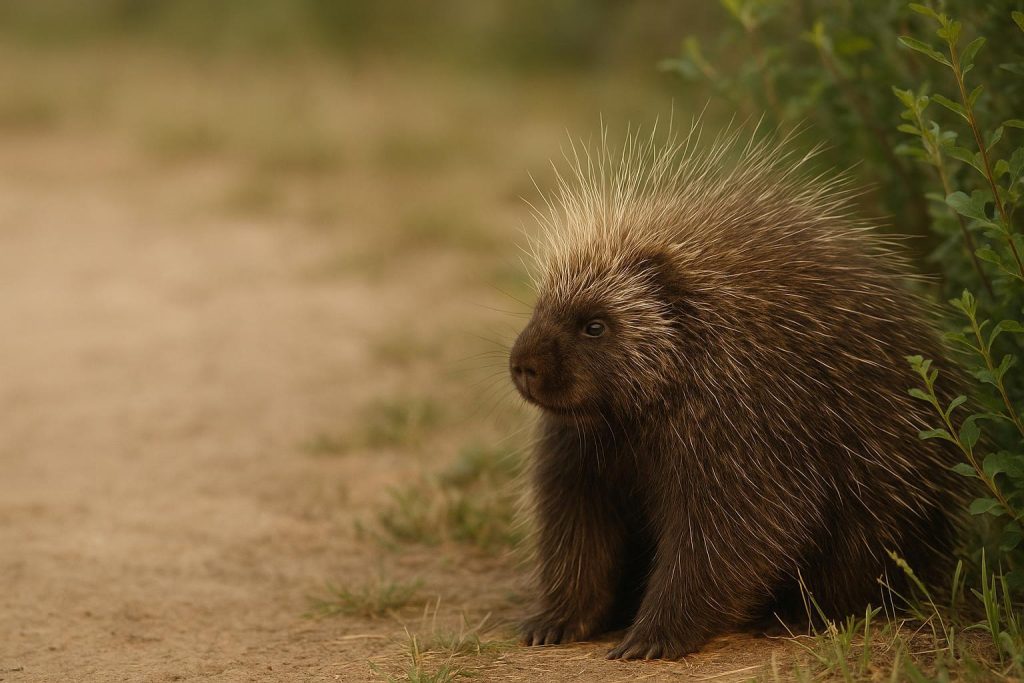
Understanding Porcupines and Their Behavior Around Humans
Porcupines are unique creatures recognized by the distinctive quills that cover much of their bodies. Although they may appear intimidating at first glance, these solitary animals are more defensive than aggressive, preferring to avoid confrontation whenever possible. For people who live near wooded or rural areas, the presence of porcupines can raise questions about safety, property damage, and best practices for peaceful coexistence.
This comprehensive guide will help you understand porcupine behavior, why they typically shy away from humans, and how to respond when you encounter one. Whether you simply admire wildlife from a distance or need professional assistance, learning more about these animals can prevent misunderstandings and unwanted conflicts.
Porcupines at a Glance: Solitary and Curious
In many regions of North America, porcupines inhabit forests, woodlands, and brushy areas. They prefer environments that feature abundant vegetation, fallen logs, or hollowed-out trees for shelter. Porcupines are mainly nocturnal, foraging for food late in the day or during nighttime hours. Even so, they can sometimes be seen during daylight in quieter settings.
Despite their prickly reputation, most porcupines are peaceful creatures. They might seem curious if they observe humans at a safe distance, but they rarely seek out direct contact. Their fundamental goal is to remain safe and unbothered, securing food resources such as leaves, bark, twigs, and other vegetation.
Are Porcupines Friendly to Humans?
Porcupines are not typically “friendly,” but this does not make them hostile. They generally keep to themselves and prefer to avoid conflict with any large nearby presence, including humans. Porcupines, however, will defend themselves if they believe a threat is unavoidable. In other words, they are not looking to be your best friend—but neither are they looking for trouble.
When porcupines feel comfortable in a certain territory, they may become used to seeing humans. If you spot one near your home or while hiking, it might remain in place instead of fleeing immediately. This reaction does not indicate a desire for friendship, but rather a sign that the animal doesn’t feel severely threatened—yet. As long as you maintain a calm demeanor and respectful distance, these encounters typically pass without any trouble.
Typical Behavior: Cautious and Defensive
In general, porcupines want to be left alone. They favor a cautious approach when encountering unfamiliar surroundings or curious animals, including humans. If given the opportunity, a porcupine’s first move is usually to scurry away to a safer location—like climbing a tree or disappearing into dense brush—rather than engaged confrontation.
When porcupines do get threatened, they rely on their quills, which are more accurately described as modified hairs with sharp barbs at the tips. This design is extremely effective at deterring predators, as each quill can become embedded in skin. Sending a clear message to would-be attackers: keep your distance.
Can Porcupines Become Aggressive?
Aggression is not part of a porcupine’s normal behavior pattern. It is far more common for these animals to try to escape or freeze in an attempt to avoid being noticed. However, if a porcupine feels cornered, it may stand its ground and use its quills in self-defense. In such a scenario, you may see them grow visibly alarmed, puff up their quills, chatter their teeth, or even stomp their feet. Instead of wanting a fight, the porcupine’s intention is to convince the threat to back off.
Contrary to popular myth, porcupines do not shoot or throw their quills. Nevertheless, if the porcupine decides physical contact is imminent, it can swing its tail rapidly, potentially embedding quills in anyone—or anything—standing too close. Because these quills can cause painful punctures that sometimes get infected if not removed properly, respecting the animal’s boundary is crucial.
Recognizing Signs of Defensive Behavior
One of the best ways to stay safe around porcupines is to recognize the signals that they are feeling threatened or defensive. Here are some behaviors to watch for:
- Quill Puffing: The porcupine will raise its quills in an attempt to appear bigger and more threatening.
- Chattering Teeth: If you hear a clicking or chattering noise, the porcupine may be issuing a clear warning to step back.
- Foot Stomping: This motion is often accompanied by the quills standing on end, indicating that the porcupine is feeling cornered.
- Vocalizations: Hissing, grunting, or moaning can be another sign the porcupine is on high alert.
- Tail Flicking: A swift flick of the tail signals that the porcupine is preparing to defend itself if its warnings are ignored.
If you see any of these indicators, do the porcupine (and yourself) a favor by giving it space. Slowly back away and allow the animal a clear path to retreat.
Potential Safety Concerns
The main concern associated with porcupine encounters is the risk of being pricked by quills. For humans, puncture wounds can be painful and can lead to infection if not taken care of properly. Pets, especially dogs, are also at risk of injuries if they approach a porcupine too closely.
Beyond personal safety, property damage can pose another issue. Porcupines have a habit of chewing on wooden constructions, such as fence posts, decks, or even the siding of a home. This is often due to their salt cravings; sometimes, residual salt in materials like plywood can pique their interest. While porcupines are not typically destructive on the scale of some other pests, the damage they inflict on wooden structures can be frustrating for homeowners who live near forested areas.
What to Do If You Encounter a Porcupine
If you come across a porcupine while hiking or in a residential setting, the key is to remain calm and avoid any sudden movements that could startle it. Porcupines are generally short-sighted, so quick or erratic behavior can be perceived as aggression. Try the following guidelines to keep everyone safe:
- Stay Quiet and Back Away: Leave plenty of space between you and the porcupine. Sudden noises could put it on the defensive.
- Do Not Attempt to Pet or Feed: While it may be tempting, handling a wild porcupine is never advisable. Hands-off is the safest policy.
- Provide an Escape Route: If the animal looks for a way out, move away slowly to let it pass. Cornering a porcupine can provoke it to defend itself.
- Keep Pets Leashed: Dogs or other pets that get too close risk being quilled. An excited dog that runs ahead on a trail is at significant risk of a quill encounter.
Learn more about porcupine management here.
Handling Quills on Pets or People
Sometimes, even with precautions, pets—especially dogs—might get quilled. If this happens, it is best to seek veterinary or medical attention for removal, particularly if quills are in sensitive areas like the mouth or near the eyes. Attempting to remove them yourself can worsen the situation if the quills break off beneath the skin.
When it comes to minor skin prick incidents on humans, you may carefully remove each quill with sterile tweezers. If a quill breaks beneath the skin or if you have any doubt about infection, see a healthcare provider. Prompt, proper care reduces the risk of complications.
How to Keep Porcupines Away from Your Property
While porcupines rarely seek out direct contact with humans, they may visit homes in search of reliable food sources or to investigate interesting smells. Property owners can reduce unwanted visits by taking these measures:
- Secure Trash and Food Sources: Use animal-proof garbage containers and avoid leaving pet food outdoors for long periods.
- Protect Wooden Structures: Apply deterrent sprays designed for wildlife or install small barriers to keep porcupines from chewing on porches, sheds, or decks.
- Fence Vulnerable Areas: A well-constructed fence that extends below ground level can deter porcupines from entry. Just make sure to build it high enough to discourage climbing.
- Trim Vegetation: Keeping brush and tree limbs near your house cleared out can limit the appeal for porcupines looking for shelter or easy routes onto your property.
In many cases, these simple changes can significantly reduce porcupine presence around your property.
Professional Porcupine Control
If you encounter porcupines repeatedly or endure ongoing property damage, professional help may be an option. At Birch Fumigators, we emphasize safe and low-impact pest control strategies. Our technicians are experienced in handling various wildlife scenarios, including porcupines, and we use methods aimed at minimizing harm to both humans and animals. Sometimes that may involve employing deterrents or performing live trapping and release if the porcupine is in a location that poses a safety risk.
Working with professionals can help you understand the root cause of porcupine activity on your property. For instance, you may have accessible wood structures or an uncovered trash area that draws them in. We strive to hone in on these vulnerabilities so you can maintain a property that is less appealing to wildlife—keeping your home, family, and the local ecosystem in harmony.
Preventive Measures and Long-Term Solutions
Beyond immediate concerns, it’s important to keep long-term prevention in mind. Once a property is discovered by wildlife as a favorable spot, they might keep returning if conditions remain ideal. Try integrating some proactive measures:
- Regular Maintenance: Inspect your home’s exterior for accessible holes, cracks, or weakened areas vulnerable to gnawing.
- Tree Spraying and Care: While this applies more often to insects, healthy trees are less likely to attract pests. Feel free to learn more about tree spraying solutions if broader pest prevention is needed.
- Check Other Pest Issues: Sometimes, a home that attracts one type of pest might also attract others, like mice. A holistic approach helps maintain a secure, wildlife-proof environment.
- Seasonal Awareness: Porcupine activity may vary with the seasons, so stay alert, especially if you live in an area where snow, cold temperatures, or drought can push local wildlife closer to human dwellings.
By remaining attentive to these preventative steps, you create a less appealing environment for porcupines and other wildlife that can cause damage or concern.
Finding Balance with Local Wildlife
Living in harmony with the environment is part of enjoying a home near the woods or a rural setting. Many people appreciate sightings of local wildlife, including porcupines, as an opportunity to observe nature firsthand. Striking a balance means respecting each animal’s space while also safeguarding your property and well-being.
Remember that porcupines do not seek confrontation, and they do not go out of their way to pose a threat. With a mix of understanding, distance, and calmly applied prevention techniques, most people can safely share the landscape with these interesting creatures.
When to Seek Additional Help
If your porcupine encounters escalate beyond occasional sightings—such as repeated property damage, ongoing safety concerns for pets, or frequent appearances that make you uneasy—it may be time to seek professional advice. An experienced team can assess your property, identify attractants, and offer solutions that reduce these visits. While do-it-yourself measures can work in some cases, professional insight can often ensure your strategy is as thorough and safe as possible.
Need more guidance specific to your situation? Our licensed technicians at Birch Fumigators are here to provide reassurance and support. We focus on methods that prioritize humane solutions for wildlife where possible and implement targeted treatments for pests or animals where that approach best suits the circumstances. If you have questions or concerns regarding porcupine activity, consider reaching out to discuss.
Key Takeaways
- Peaceful by Nature: Porcupines prefer flight over fight, relying on their quills only when they sense no alternative.
- Safe Distances: Maintaining a healthy space from porcupines is the best way to avoid defensive quill use.
- Actions Matter: Avoid cornering, feeding, or touching a porcupine to keep it calm and nonthreatening.
- Property Prevention: Simple steps—like securing garbage, utilizing barriers, and trimming vegetation—can help prevent unwanted visits.
- Professional Support: If porcupine activity becomes frequent or destructive, experts can advise on humane approaches and lasting solutions.
Porcupines can be fascinating neighbors when treated respectfully. By following basic safety measures and understanding their behavior, you can coexist peacefully while also protecting your home. If you still have questions or require assistance, feel free to reach out and learn more about our dedicated porcupine control strategies. We’re here to help you find the right balance between enjoying Alberta’s natural beauty and maintaining a safe, comfortable environment.