
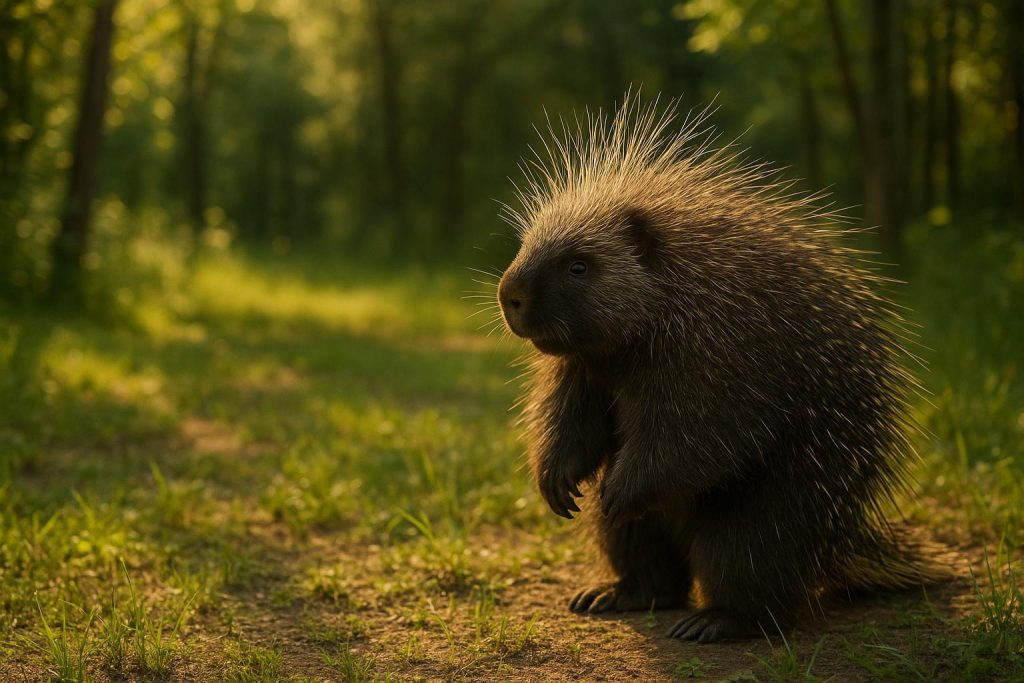
A Closer Look at Porcupine Predators and Vulnerabilities
Porcupines are often depicted as nearly invincible thanks to their iconic quills, yet these robust rodents do face real threats from predators and the challenges of their environment. While they possess impressive natural defenses, including the sharp quills covering much of their bodies, porcupines are not immune to attacks—especially from predators that have adapted strategies to overcome or bypass their quills. In this comprehensive guide, we’ll explore the primary predators of porcupines, how these predators manage to gain the upper hand, and what weaknesses can leave these spiky mammals more susceptible than one might think.
By understanding the dangers that porcupines face in the wild, you gain a more nuanced appreciation of how balance is maintained in various ecosystems and also gain insights into how porcupines protect themselves. Though porcupines are not typical household pests, learning about their behaviors and vulnerabilities can highlight the complexity of rodent life and how nature’s ingenious designs sometimes overlap with human environments.
Why Porcupines Still Face Challenges Despite Their Quills
A porcupine’s quills serve as its most recognizable defense mechanism. These are modified hairs coated with keratin, providing a rigid shield that can embed in an attacker’s skin. When threatened, porcupines may arch their backs and raise these quills to appear larger. Nonetheless, no animal defense is entirely foolproof. Predators in North America—including mountain lions, wolves, and fishers—have developed specific techniques to neutralize the quills’ advantage.
An essential aspect of their vulnerability lies in the fact that porcupines generally have slower movement. Rather than relying on speed to evade threats, they hinge on intimidation (raising quills) and strategic positioning (turning their back on threats) to deter attacks. When faced with cunning predators that have learned how to attack them head-on—or flip them over to expose the belly—the quills become less of a deterrent. This dynamic interplay between predator and prey reveals the adaptability and intelligence among wild animals in their quest for survival.
Predators That Eat Porcupines
Multiple carnivores have been documented taking on porcupines in the wild, focusing on strategies that penetrate or circumvent the quill defenses. Below are some of the most notable natural foes of the porcupine:
- Fishers (a type of North American marten): Among all known porcupine predators, fishers are perhaps the most fascinating. Despite their relatively small size, they have perfected a method of repeatedly attacking a porcupine’s face to wear it down and maneuver around its quills. Eventually, they flip their prey to reach the vulnerable underbelly. This skillful approach makes fishers one of the few predators that frequently feed on porcupines and succeed.
- Mountain Lions: Large felines rely on stealth and powerful jaws. Cougars, also known as mountain lions, sometimes pursue porcupines, focusing on biting through the quill-free areas around the face or belly. If the cat manages to neutralize the porcupine’s defensive posture before taking too many quills, it can make a substantial meal out of the rodent.
- Wolves: Wolves typically operate in packs, giving them a communal advantage in targeting prey. Though it’s not a common scenario (as wolves often prefer faster or more easily subdued animals), a determined wolf or pack may exploit a porcupine’s slow speed and lower agility. Like other predators, they strategize to turn the porcupine over, exposing the less-armored underside.
- Bobcats and Lynxes: These predators are opportunistic hunters. Because bobcats and lynxes are accustomed to pouncing on smaller mammals, they sometimes go for porcupines. However, they risk taking quills in the face if they are not quick or strategic enough. When successful, these mid-sized cats typically strike at the head or underside of the porcupine.
- Great Horned Owls: While birds of prey seem less likely candidates, great horned owls have occasionally preyed on porcupines. They have powerful talons and sharp beaks, enabling them to attack smaller or younger porcupines. The element of surprise during nighttime hours can allow an owl to strike before the porcupine has fully bristled its quills.
Overall, these predators rely on learned tactics or evolved instincts to handle porcupines. Some require flipping their prey, targeting the face, or wearing a porcupine down over time. While quills can inflict damage on the predator, hunger and the high-protein benefits of porcupine meat spur these determined hunters to risk potential injury.
Porcupines’ Four Key Weaknesses
Porcupines have several vulnerabilities that sharp-minded predators use to their advantage. Below are four significant areas that can leave porcupines susceptible, despite their mighty quill coverage:
1. Limited Speed and Agility
One of the porcupine’s greatest weaknesses is its slow movement on the ground. Because porcupines do not move quickly, they cannot easily flee from swift predators. Many carnivores, including wolves, fishers, and large cats, exploit this lack of speed. By the time the porcupine realizes danger is near, it may be too late to position itself with quills effectively. While climbing is somewhat easier for porcupines, they can still be cornered, especially if they are on the ground foraging for food. That’s when predators have their best opportunity to mount an attack.
2. Poor Vision
Despite their sturdy quills, porcupines do not have the keenest eyesight. They rely heavily on their sense of smell to detect nearby threats and locate food. Though a sharp nose can alert them to danger, predators that stay downwind or strike suddenly can catch a porcupine off-guard. This weakness in vision means that a porcupine may not see a predator coming until the attack is well underway, making it challenging to face the attacker with its quills properly raised.
3. Vulnerability to Specific Predator Tactics
While quills provide excellent defense for the porcupine’s back and sides, its belly is not covered by quills, leaving essential organs exposed. Predators like fishers have learned to focus attacks on this unprotected region. Beyond the belly, the face and feet have far fewer quills, offering more openings for an experienced predator. Over time, certain species have refined their hunting styles, making them adept at navigating quills. This evolutionary give-and-take is a prime example of how nature balances defense with predatory innovation.
4. Dependence on Trees and Vegetation
Porcupines are considered arboreal, spending much of their time climbing or resting in trees. They depend on bark, leaves, and other vegetation for food, especially during colder months when other resources might be scarce. While being up in a tree can sometimes protect them from larger ground predators, it can also present challenges. If a porcupine needs to descend to find new feeding sites, it faces exposure during its climb down. Certain predators can wait at the base of a tree, forcing the porcupine into a vulnerable position.
Nature’s Balance: The Ecological Role of Porcupine Predation
It might seem harsh that such a well-defended creature still lies within the crosshairs of various predators, but this dynamic plays a part in maintaining healthier populations and balanced ecosystems. Predators that eat porcupines help regulate rodent numbers, limiting overgrazing of vegetation in some areas. In turn, this ensures forests and wooded areas remain diverse and can continue supporting a multitude of other animal species.
When porcupine populations grow too large, they can damage trees by stripping large amounts of bark or consuming new shoots, potentially impacting forest regeneration. Predation keeps this in check. From a predator’s perspective, the risk of confronting porcupine quills is offset by the reward of a high-protein meal, streamlining survival for apex or mid-level hunters. Over time, both porcupines and their predators occupy distinct ecological niches in forests, mountains, and wooded regions.
How Porcupines Attempt to Defend Themselves
Despite the weaknesses outlined above, porcupines still have a high success rate in fending off attacks. Their quills may be the highlight of their defense, but porcupines also adopt certain behaviors and physical postures:
- Spine-Raising and Tail-Lashing: Porcupines can lash their tails to embed quills into a predator. They create an intimidating profile by raising their quills, which stand up to appear thicker and spike out in all directions.
- Hissing and Chattering: These vocalizations can act as a warning. While the porcupine cannot chase a predator away, it may try to scare it off with noise. This also serves as a signal that it’s fully alert and prepared to defend itself.
- Backing Up Toward the Threat: Rather than face off head-on, porcupines often keep their vulnerable front end away from danger. They turn their heavily quilled back or tail toward a foe, forcing the predator to contend with formidable spines.
- Climbing to Safety: When possible, a porcupine will climb a tree or seek higher ground. Most large predators find it tricky to pursue prey high into the canopy, giving the porcupine an advantage if it can reach sufficient altitude quickly.
By leveraging these strategies, porcupines make themselves a far less appealing target, although truly determined predators continue to take their chances.
Interactions with Humans and Why Porcupines Matter
Human encounters with porcupines are relatively uncommon, and those that occur typically happen in rural or forested areas. Porcupines are gentle by nature and prefer to avoid confrontation. Yet accidental run-ins can lead to painful quill injuries for pets or curious humans who attempt to get too close. As a rule of thumb, maintaining a safe distance is best, allowing porcupines to move away or find shelter without perceiving a threat.
Some homeowners might notice porcupines damaging ornamental trees or nibbling on wooden structures. While porcupines are not an everyday household concern—and therefore less likely to require the same level of pest control strategies as, say, mice—it can still be helpful to know about their ecological role. Porcupines support healthy forests by loosening bark and creating areas where insects can live, which in turn feeds birds and other species. If you find yourself coexisting with porcupines near your home, simple precautions, such as fencing off valuable saplings, can help prevent damage while leaving these creatures free to live in their natural habitats.
What to Do If You Encounter a Porcupine
If you happen to spot a porcupine on your property, observe these basic guidelines for peaceful coexistence:
- Keep Distance: Porcupines usually do not attack unless they feel they have no other choice, but it’s crucial to give them space. This prevents them from feeling cornered and reduces the chance of accidents.
- Protect Pets: Check that dogs or other pets remain at a distance as well, since a curious pet can end up with a mouth full of quills if they investigate too closely.
- Cover or Remove Temptations: Removing outdoor salt licks or leftover pet food may keep porcupines from lingering. Also, protecting young trees or applying taste deterrents can discourage nibbling.
- Call for Advice If Needed: If a porcupine is stuck or in distress, you might seek guidance from a wildlife professional. They can offer humane, ethical approaches, similar to how rodent or other wildlife issues should be handled responsibly.
That said, porcupines rarely cause severe problems for homeowners. Generally, learning to share space with these unique creatures is the most harmonious solution. Beyond their quills, they are solitary, slow, and docile, creating minimal disturbance compared to other wildlife.
Beyond Porcupines: Larger Pest and Wildlife Concerns
Although porcupines can sometimes spur curiosity or inconvenience, other creatures—like rodents, insects, or more aggressive wildlife—often pose greater challenges in residential settings. For instance, mice can quickly become a genuine concern if they nest in walls or attics, causing property damage and potential health risks. If you notice signs of more common pests, it’s helpful to take a proactive stance: identifying potential food sources, sealing entry points, and speaking with a pest control professional for guidance.
Unlike smaller rodents, porcupines are relatively large and less likely to infiltrate homes. Still, it’s wise to keep your eyes open for any wildlife damage in your yard or garden. If you’re unsure about the type of animal causing issues—whether rodents, insects, or something else—consider a professional inspection. A licensed technician can help you pinpoint the root cause and develop a plan tailored to your situation, ensuring the well-being of both your property and local wildlife populations.
Final Thoughts
Porcupines demonstrate how evolution balances formidable defenses, such as quills, with the inventive tactics of hungry predators. Although mountain lions, fishers, wolves, and great horned owls can breach porcupine defenses, these battles illustrate a natural give-and-take that maintains the health of ecosystems. From the porcupine’s perspective, the best strategy is staying alert, using quills effectively, and retreating into the treetops whenever possible.
For those of us who share space with these intriguing creatures, remember that porcupines are slow-moving and rarely aggressive. While they do have weaknesses—poor eyesight, a vulnerable underside, and limited agility—their quills remain a potent deterrent to both predators and humans. With careful observation and a bit of respect, humans and porcupines can coexist without conflict.
Need support with other wildlife or rodent concerns? Birch Fumigators offers safe, ethical, and professional approaches for issues such as mice and other pests. Our licensed technicians are here to provide guidance specific to your home or business. If you have questions or want help identifying a particular wildlife or pest problem, feel free to reach out at any time. Learning more about all local creatures, from spiky porcupines to tiny rodents, can foster a deeper respect for nature—and leave you better prepared should a true pest problem ever arise.