
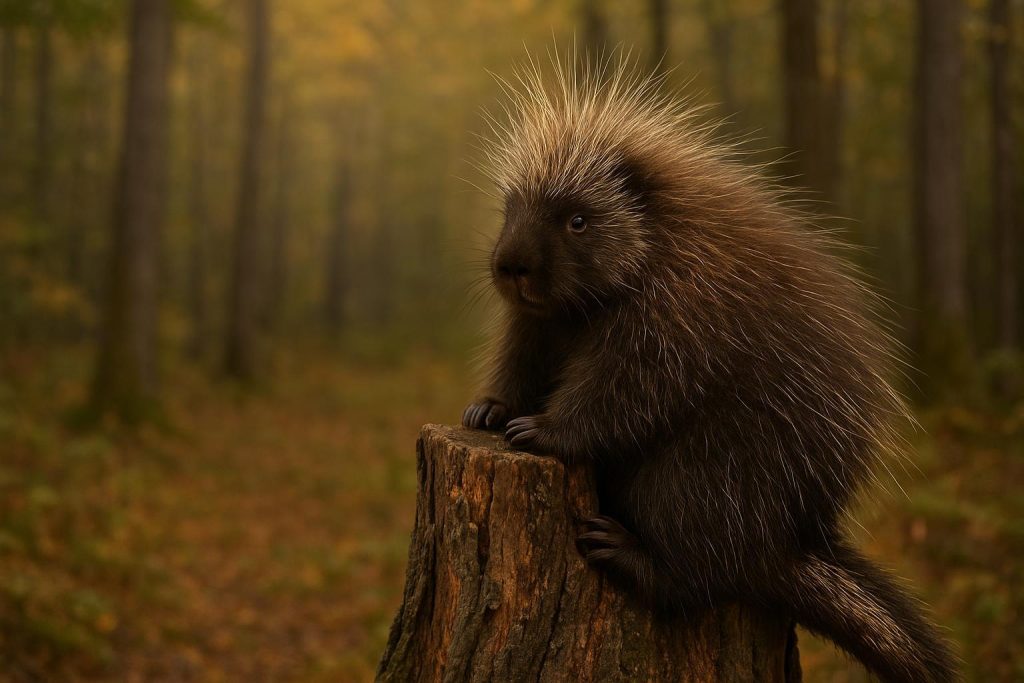
Everything You Need to Know About Porcupine Lifespans
Porcupines are among the most recognizable and intriguing rodents in North America, famous for the thousands of quills covering their bodies. While quills serve as a potent defense, there is so much more to know about these animals—especially when it comes to their lifespan and the factors that can influence how long they live. In this comprehensive guide, we’ll explore porcupine lifespans in the wild and in captivity, discuss the main threats they face, highlight differences among various species, and even touch on what to do if you ever encounter porcupines around your property.
The Typical Lifespan of a Porcupine
On average, a porcupine can live anywhere from 5 to 18 years, depending on the species and the environmental conditions. Although different species across the globe have varied life expectancy, the North American porcupine (Erethizon dorsatum) is particularly known for its relatively long life compared to many other rodents. In the wild, North American porcupines can typically be found in older coniferous forests or mixed-wood forests, where they enjoy a diet of bark, leaves, and stems. Most wild porcupines experience modest lifespans of around 5 to 7 years, while some may exceed 10 or even 15 years if conditions are optimal.
In captivity, porcupines often live longer because they’re safe from predation and have consistent supplies of food and clean water. With veterinary care to manage any potential illnesses or injuries, it’s not unusual for some individuals to reach the early 20s. The security of human supervision eliminates many of the environmental hazards and nutritional deficiencies that wild porcupines might face.
Factors Affecting Porcupine Lifespan
The lifespan of a porcupine in the wild is determined by several factors:
- Predation: Even though quills provide a strong defense, natural predators like fishers, wolves, and cougars may still threaten porcupines. Younger porcupines are at higher risk because they are less experienced at avoiding or deterring predators.
- Food Supply: Porcupines thrive where they can steadily find bark, leaves, and other vegetation. In harsh winters, inadequate food sources might cause malnutrition and reduced survival rates.
- Climate and Weather: Severe weather conditions can impact porcupines by limiting their access to food or forcing them into more exposed areas where predators roam. Snow coverage, drought, and temperature extremes can all play a role in porcupine mortality.
- Accidents and Human Interaction: In some regions, road collisions pose a significant danger to porcupines looking for areas with better foliage or water resources.
- Habitat Loss: As forests are cut down or fragmented, porcupines may have trouble finding safe shelter, reducing their overall longevity in the wild.
In captivity, these stressors are minimized or eliminated. With secure habitats and regular veterinary care, captive porcupines rarely face the day-to-day challenges of finding food or evading predators.
Species Variations
Porcupines as a group—including both the New and Old World families—feature many species. Their size ranges widely, as do their diets and habitats. While the North American porcupine remains one of the most studied, certain African and Southeast Asian porcupines also exhibit lifespans up to around 15 years. The variations in diet, local predator presence, and habitat conditions all play a role in how long any particular species can live.
Even within North America, micro-habitats can influence lifespan. A porcupine living near older coniferous stands, with abundant bark and twigs, might live longer than one in a fragmented habitat with frequent encounters with humans or domestic animals.
The Role of Captive Care
Similar to many other wild animals, the captive life of a porcupine can lead to a longer lifespan. While safety from predators offers a huge boost to lifespan, the quality of care is just as important. Proper enclosures that mimic their natural habitat, plus access to climbing structures, are crucial for their physical and psychological health. In the wild, porcupines routinely climb trees to access buds, bark, and leaves. Replicating some of these behaviors in captivity helps keep them active and healthy.
Nutritionally, a balanced diet rich in fibers, fresh fruits, and vegetables can significantly improve their immune system. Periodic veterinary check-ups help detect and treat any developing issues early, prolonging their overall health.
Fun Facts About Porcupines
- Excellent Climbers: North American porcupines are adept climbers, thanks to their curved claws and muscular tails. They often forage in trees, so if you see them up high pruning branches, it’s quite normal.
- Solitary Creatures: Porcupines are not typically social, spending most of their time alone. They do, however, share dens in winter for warmth and protection from predators.
- Unique Defense System: Though many people assume porcupines “shoot” their quills, they can’t actually fling them from a distance. Instead, quills detach when they come into contact with a predator or threat.
- Constantly Growing Teeth: Like most rodents, porcupines have incisors that never stop growing. This is one reason they gnaw on wood, to keep the incisors from getting too long.
Porcupines and Human Dwellings
Although many people consider porcupines purely denizens of the forest, these animals may occasionally wander into areas close to homes or cabins searching for food, salt licks, or tree bark. Homeowners sometimes spot signs of chewing damage on wooden structures (like porch supports) or on ornamental trees. While porcupines are not as common a pest concern as insects like ants or cockroaches, they can sometimes become a nuisance when they venture near human habitats.
Having a calm, professional outlook is essential if you should encounter a porcupine. Since porcupines are largely peaceful animals that move slowly, you generally have time to keep pets and family members at a safe distance. If a curious dog approaches too closely, quills can quickly become a painful cleanup challenge.
Remember that porcupines are wild animals. While some wildlife can be managed with humane solutions, it may be best to keep a respectful distance and prevent unnecessary stress to the animal. If there’s significant damage to your property or a persistent porcupine presence that worries you, consider seeking advice from a local wildlife authority or pest control professional who provides safe, responsible methods.
Myths vs. Reality
Myth #1: Porcupines shoot quills. One of the most prevailing myths is that porcupines can launch their quills at enemies. In truth, the quills detach only upon direct contact.
Myth #2: They are aggressive. Porcupines are generally shy, solitary, and slow-moving. They will not typically approach or attack unless threatened.
Myth #3: Porcupines cannot climb trees. Some people assume these animals remain on the ground, but North American porcupines are skilled climbers.
Conservation Status
In many regions, porcupines are not listed as threatened or endangered and tend to manage well in areas with plenty of woodland. However, habitat fragmentation and frequent road collisions can harm local populations. When new developments reduce forest coverage, porcupines may face a tougher time finding winter dens and consistent food sources.
Considering their unique ecological role—particularly how they help shape forests by trimming or eating bark—supporting healthy porcupine populations can be beneficial to an environment. Where feasible, property owners might leave natural woodlots and older trees intact to encourage biodiversity.
Tips for Coexisting With Porcupines
If porcupines live in your area, there are simple ways to coexist with minimal risk or damage:
- Secure Food Sources: Keep household compost or garbage in animal-resistant bins. This measure also helps deter other wildlife.
- Pet Monitoring: If you let your pet roam outside, keep an eye on them. Quill injuries are common in dogs who are overly curious.
- Protect Ornamental Plants: Put wire mesh or protective barriers around prized shrubs or ornamental trees.
- Fence Your Property: A well-maintained fence can help keep porcupines out, though make sure it’s designed to prevent digging or climbing if that’s a common issue in your neighborhood.
- Consider Tree Health: Porcupines may be drawn to certain tree species more than others. If you’re concerned about the health of valuable trees on your property, tree spraying or other preventative measures could be helpful, especially if there are signs of pest damage unrelated to porcupines.
Porcupines in the Context of Pest Control
While porcupines typically aren’t classified as a pest species on the same level as ants, cockroaches, mice, or spiders, they can cause occasional problems for rural or suburban homeowners. Concerned property owners should keep in mind that larger wildlife, including porcupines, can sometimes be handled with humane measures when feasible. While it may not always be possible to relocate every wandering porcupine, techniques such as appropriate fencing, removing food attractants, and protecting vulnerable structures can make a big difference.
In the rare cases when a porcupine causes consistent damage, professional advice may be necessary. Ensuring the approach is ethical and as minimally disruptive as possible respects both the homeowner’s property and the well-being of local wildlife. At Birch Fumigators, we focus on safe, eco-friendly solutions for pests and wildlife that require urgent attention, while helping prevent further issues.
Health and Safety Concerns
Porcupines generally pose no direct health threats to humans. However, the main safety concern involves pets—especially over-enthusiastic dogs. A dog that tries to sniff or chase a porcupine can end up with quills stuck in the mouth, nose, or face. These quills are barbed and can migrate deeper into tissues if not removed promptly and carefully. Such injuries require veterinary assistance for safe removal. By knowing your environment and supervising curious animals, you can help prevent these unfortunate encounters.
Long-Term Outlook: Promoting Wildlife Balance
When people learn about the 15-to-18-year range that porcupines can achieve in the wild (in optimal circumstances) and how some outliers can reach 20 years or more in captivity, they often develop a new appreciation for these creatures. Despite their prickly exterior, porcupines play an essential part in the ecosystem through seed dispersal, forest thinning, and proving a unique link in the local food chain.
Fostering a balanced wildlife environment means understanding the roles of all animals involved. Because porcupines are relatively low in numbers compared to small rodents, a healthy population typically indicates a mature forest structure. If we protect habitats responsibly, porcupines—and the biodiversity they represent—are more likely to thrive.
When Professional Help May Be Needed
Porcupines usually keep to themselves and pose minimal nuisance. However, it’s good to consider professional help if:
- Property Damage is Ongoing: If porcupines are damaging valuable trees or gnawing on wooden supports, professional wildlife experts may recommend safe deterrent methods.
- Frequent Pet Encounters: If you’re often dealing with quill incidents, you may benefit from guidance on yard modifications or fencing to keep your pets safe.
- Potential for Physical Harm: In rare situations, a cornered or stressed porcupine might defend itself with quills. If you’re feeling unsafe, it’s time to consult a pest control professional or wildlife service experienced with local regulations and humane handling.
Key Takeaways
- Wild porcupines can live between 5 and 18 years, with many North American porcupines commonly reaching 5 to 7 years and some surpassing 10 or 15 years.
- In captivity, porcupines can live beyond 20 years thanks to consistent food supplies, veterinary care, and protection from predators.
- Factors like predation, habitat quality, and abbundant food sources greatly influence how long they live in the wild.
- Porcupines aren’t typically considered pests, but they can cause damage to wooden structures and trees. If this happens, ethical and minimally disruptive deterrent methods are often the most sustainable solutions.
- Safe coexistence often involves fencing, monitoring pets, and protecting ornamental plants from unwanted gnawing.
By appreciating the lifespan and behavior of porcupines, you gain a window into the lives of these remarkable, quill-covered creatures. Their quiet presence in forests and ability to adapt to varying conditions speak to their resilience. Yet, they still need supportive habitats, safe passage from roadways, and respectful human interactions to achieve their full life expectancy. Understanding and sharing this knowledge helps everyone coexist more harmoniously with local wildlife, keeping your property and their natural habitats healthy.
Still have questions? Feel free to contact our team for expert advice. If you suspect porcupines or other wildlife are causing concerns around your home, Birch Fumigators can offer professional insight. We prioritize safe, humane approaches where feasible and always focus on long-term prevention—helping both you and the natural world remain in balance.