Child and Pet-Safe Pest Control with an Eco-Friendly Focus
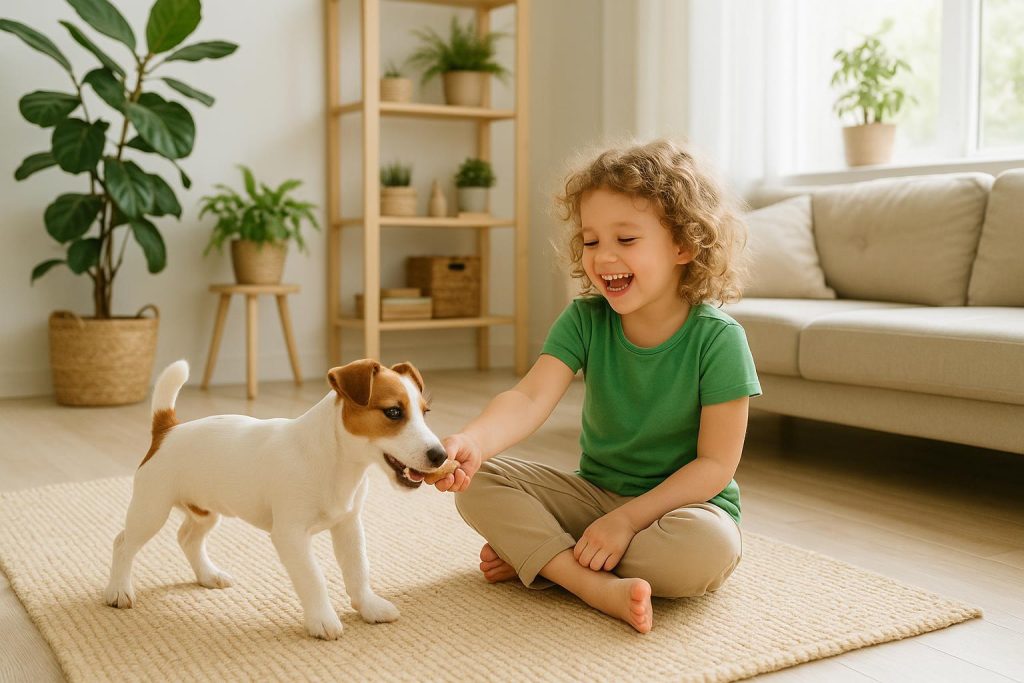
When you think about managing pests in your home, one concern often immediately comes to mind: safety. This is especially true if you have children who crawl across the floor or pets who explore every corner of the house. Many people worry about exposing their loved ones to dangerous chemicals or spreading toxins around their property. Fortunately, eco-friendly pest control methods are specifically designed to reduce these risks. They focus on prevention, natural compounds, and targeted treatments that prioritize the well-being of humans, animals, and the environment. In this in-depth guide, we will explore how eco-friendly pest control works, the steps professionals take to ensure child and pet safety, and what you can do to keep your home pest-free without compromising your family’s health.
Why Eco-Friendly Pest Control Matters
Eco-friendly approaches to pest control matter for several reasons. First and foremost, these methods minimize the use of high-toxicity chemicals, thereby lowering the risk of adverse health effects and environmental damage. Whether you are dealing with spiders, ants, or mice, a sustainable pest management plan helps ensure non-toxic or low-toxic solutions are used whenever possible. This is good news for families or anyone concerned about safeguarding children, pets, and beneficial wildlife. It is also beneficial for the broader ecosystem, because fewer toxic substances are released into the air and soil.
Eco-friendly control methods also enhance your home’s protection in the long run. Because these techniques emphasize a holistic approach—called Integrated Pest Management (IPM)—they often address the root causes of infestations. Professionals start by inspecting your home, identifying conditions that encourage pests, and then sealing entry points. They may use non-toxic baits, traps, or natural repellents before resorting to a chemical product. In some situations, careful chemical use remains necessary but is performed in a controlled, minimal way. For example, a technician might spot-treat cracks where ants enter, rather than spraying a wide area. The result is a safer environment that remains inhospitable to pests, which means fewer chemical treatments over time.
How Professionals Make Eco-Friendly Treatments Safe
When a reputable pest control company says a method is “eco-friendly,” they generally mean it relies on careful product selection, accurate application, and multiple layers of preventive strategies. To provide peace of mind around children and pets, these professionals ensure compliance with strict safety protocols. A thorough process includes:
- Detailed Inspections: A pest control technician analyzes the affected area and looks for signs of pests or vulnerabilities. During this inspection, they also note if there are children’s play areas or pet feeding stations that require special attention.
- Low-Toxicity Choices: When deciding what products to use, many experts opt for items with minimal risk to humans and pets. They may include botanical insecticides, organic compounds, or child-safe baits that target only the pest. In situations where chemicals are necessary, they select those with proven safety profiles and apply them in a precise manner.
- Proper Application Techniques: Eco-friendly pest control often means spot treatments or localized applications. Rather than drenching a room in pesticides, technicians track pest activity and apply the product to specific entry points, nesting areas, or harborage zones. This lowers exposure risks to people and pets.
- Preventive Tools: After addressing an active infestation, pest specialists recommend ongoing preventive measures. These can range from installing screens or sealing cracks to improving sanitation by storing food in secure containers. By tackling pest problems at their source, there is less reliance on chemicals over time.
- Regulatory Guidelines: Reputable pest control experts follow provincial and federal guidelines for allowed products and safe usage. This is especially important when working in homes with children or animals. They also stay updated on the latest eco-friendly pest control research, ensuring that any new product or method meets recognized safety standards.
Understanding Integrated Pest Management (IPM)
Integrated Pest Management, often called IPM, is the cornerstone of child- and pet-safe eco-friendly strategies. Think of IPM as a structured approach that balances prevention, observation, and targeted action to keep unwanted pests in check. The process typically follows these steps:
- Identify the Problem: A trained technician studies the signs to confirm the pest species and possible causes, such as accessible food sources or moisture buildup.
- Set Action Thresholds: Not every insect or mouse sighting requires a heavy-handed response. IPM means taking action only when the pest population surpasses a level that will cause damage or health risks.
- Implement Preventive Measures: The next step might include sealing gaps around windows, installing door sweeps, or removing clutter that pest species use for hiding. This helps deter future infestations.
- Deploy Safer Methods First: Skilled technicians start with safe tactics—like traps, physical barriers, or natural repellents—before considering more advanced methods. This layered approach lowers the overall need for product application.
- Monitor and Adjust: IPM is an ongoing process. Pest experts continue to monitor the situation, check traps, and refine the strategy to ensure pests do not return.
Because children and pets are particularly vulnerable to chemical exposure, IPM stands out as a more responsible and reassuring method. It focuses on eliminating conditions that allow pests to thrive in the first place, making it less likely you will need large-scale treatments in the future.
Common Eco-Friendly Alternatives to Traditional Pesticides
Contrary to popular belief, eco-friendly pest control goes beyond simple household remedies. It includes a broad range of carefully formulated products and practices that limit environmental impact while still delivering effective results. These methods can be employed for a variety of common pests, whether you are dealing with ants in the kitchen or cockroaches in the bathroom. Here are some typical eco-friendly options:
- Botanical Insecticides: Some insecticides are derived from natural sources like chrysanthemum flowers. These formulations can target pests without posing significant risks to children or animals.
- Biological Controls: Certain beneficial organisms—like predatory nematodes—help reduce pest populations by disrupting their life cycles. While common for outdoor use, they can play a role in maintaining natural balance in some home environments.
- Child-Friendly Baits: If a technician needs to use a product, it might be placed in tamper-resistant stations. These baits are often low-toxic formulations designed to specifically lure pests. Children and pets cannot easily access them.
- Physical Barriers and Traps: Glue traps, light traps, or mechanical barriers can be an effective alternative. This way, you avoid blanket chemical applications around your home.
- Organic Repellents: Plant-based repellents containing essential oils—like citronella or peppermint—can deter insects safely. While not always a standalone solution, they can serve as a helpful component in a broader IPM plan.
This variety of eco-friendly tools underscores an important point: modern pest control is not about spraying harsh substances everywhere. It is about carefully assessing each situation and using the most gentle, yet reliable, methods possible.
The Role of Local Expertise
Eco-friendly methods become even more successful when coupled with local expertise. A team that knows Alberta’s climate, seasonal pest patterns, and common household challenges can pinpoint exactly what is attracting pests to your property. This knowledge also helps them advise you on how to maintain a safe space for your family. For instance, if you often see wasps near your porch furniture, a professional may identify sugary drinks or open garbage bins that lure these stinging insects. By removing those attractants, you lower the risk of infestations.
Expert advice is particularly helpful during winter, when rodents like mice may seek warmth inside your walls. Weatherproofing entry points and renewing old insulation are measures that reduce the need for repeated pest control treatments. Over time, these preventive steps also save you money. If you are curious about the relationship between cost and eco-friendly solutions, you can read the sibling FAQ—Do eco-friendly methods cost more than traditional pest control?
Ensuring the Safety of Kids and Pets
One of the most common questions parents and pet owners ask is how to verify that these treatments are truly safe. Look for services that:
- Provide Transparent Product Information: Responsible pest control professionals can give you labels or data sheets that explain what products are being used, how they work, and what safety measures they require.
- Use Child- and Pet-Friendly Guidelines: Some pest control companies adopt extra precautions, such as restricting treatments to spots away from pet bowls, toys, children’s furniture, or easily accessible floor areas.
- Offer Clear Aftercare Instructions: Any legitimate service will provide tips on how to ventilate treated areas or maintain safe distances for a certain period. This helps you plan activities for children and pets following an application.
- Encourage Communication: A good pest control company invites you to ask questions. Whether you are unsure about how long to keep your pets away from a treated zone or want to confirm that a certain product is permissible, the team should respond openly and patiently.
What About Natural Pest Deterrents at Home?
While professional pest control remains the safest and most thorough option, homeowners can also implement some natural methods. Many do-it-yourself approaches serve as an added layer of prevention rather than a complete solution. For instance, sealing cracks around windows and doors is a highly effective and chemical-free way to keep pests out. Regularly cleaning kitchen surfaces, storing food in airtight containers, and making sure your garbage bin has a snug lid are easy steps to reduce pest attraction. If you are eager for additional eco-friendly tips, you may be interested in how to maintain a pest-free yard with sustainable practices.
That said, do keep in mind that a severe pest problem may call for a professional approach. For stubborn infestations, a combination of advanced methods—like humane rodent trapping or low-toxic insect treatments—usually offers faster and more reliable results, especially when children or pets are present.
Humanely Removing Wildlife Versus Insects
An important point about eco-friendly pest control is that its application can vary based on the type of pest. In cases involving wildlife—such as squirrels or birds—homeowners often prefer humane removal methods. This means relocating or excluding these animals from your property, helping you protect your home while sparing the animal’s life. If you are curious, another sibling FAQ explores how to remove rodents humanely without harsh chemicals.
However, humane removal is not always suitable for insects or other pests, such as ants, bed bugs, wasps, or cockroaches. In these situations, pest control professionals often rely on carefully tailored products or mechanical interventions. The good news is that these products are tested for safety and used in targeted ways to reduce any threat to your family. “Eco-friendly” does not always mean “no chemicals at all,” but it does mean those chemicals are used responsibly, with minimal exposure to humans and pets.
Addressing Concerns About Beneficial Insects
Many families worry that even a low-impact treatment could harm beneficial insects or pollinators in the surrounding environment. This is a valid concern. One of the cornerstones of eco-friendly methods is to preserve beneficial species. By applying targeted treatments and using specific products, pest control practitioners minimize collateral damage. If you want to know more about protecting helpful bugs, another sibling FAQ dives into how eco-friendly extermination minimizes harm to beneficial insects.
Long-Term Benefits of Eco-Friendly Pest Control
Switching to eco-friendly methods can bring several long-term benefits that go beyond immediate pest elimination. These include:
- Healthier Living Spaces: Fewer chemicals in your environment mean lower health risks for you, your children, and your pets.
- Reduced Chemical Resistance: Overuse of traditional pesticides can lead to pest resistance, making it harder to control them down the line. Eco-friendly methods often rotate or limit chemical use, reducing this risk.
- Cost Savings Over Time: While some eco-friendly treatments may cost a bit more initially, they often focus on prevention. That approach can reduce the need for repeated treatments, which saves money in the long run.
- Positive Environmental Impact: Eco-friendly pest control supports cleaner soil, water, and air—benefitting your community and future generations.
If you would like more insights on how the cost of an eco-friendly approach compares to conventional methods, feel free to explore our FAQ on eco-friendly pest control costs. You might discover that investing in prevention pays off both financially and in peace of mind.
When Professional Help Is Necessary
Though plenty of preventative steps can be taken at home, there are times when a professional approach is a must—especially if you have an active infestation or suspect more than one type of pest in your home. Trying to handle a major mouse invasion or severe ant problem on your own might lead to incomplete solutions, repeated frustrations, and potential risk to your loved ones if over-the-counter products are misapplied. When you work with a knowledgeable team that values eco-friendly solutions, you gain a partner who can guide you through the entire pest management process, from identification to long-term prevention. This approach highlights sustainability, safety, and reliable results.
Your Next Steps
An eco-friendly pest control strategy is about more than simply getting rid of pests—it is about creating a safer home environment. Combining Integrated Pest Management with non-toxic or low-toxic product choices ultimately reduces exposure risks for your children and pets. You can breathe easier knowing that you are protecting not only your family but also the surrounding ecosystem.
Still have questions or concerns about child-safe treatments or pet-friendly pest control? The best step is to speak with reputable, eco-conscious professionals who can assess your unique situation and recommend a tailored plan. If you are uncertain about your next move, or if you have spotted signs of pests around your home, do not hesitate to seek advice.
Need support with this issue? Birch Fumigators is here to assist.