
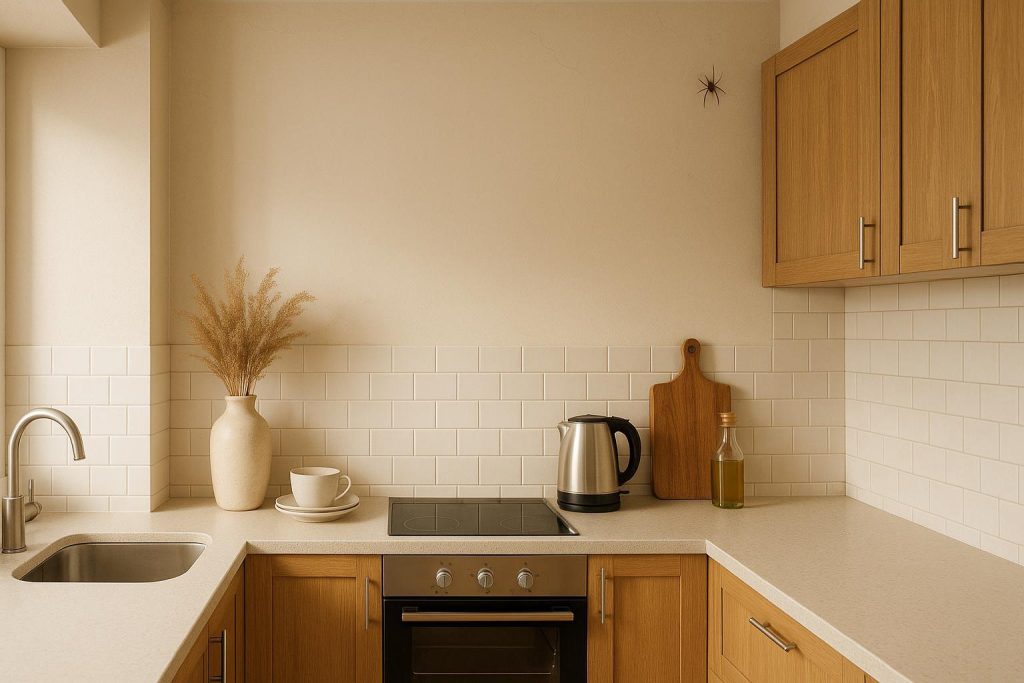
Why Sealing Cracks in Your Kitchen Helps Keep Spiders Away
If you’ve ever walked into your kitchen at night, flipped on the lights, and caught sight of a spider scurrying across the countertop, you’re not alone. Kitchens can be inviting spaces not only to us but to many types of pests—including various spider species seeking food, moisture, and safe hiding spots. One efficient way to reduce their presence is to seal up cracks, gaps, and other entry points. But is it really necessary to close every little crevice in your kitchen? Below, we’ll explore why sealing cracks matters, how it helps with spider control, and what other steps can help you achieve a pest-free peace of mind.
Understanding Why Spiders Enter Your Kitchen
Before diving into the importance of sealing cracks, it’s useful to understand why spiders might show up in your kitchen.
- Food Sources: Spiders primarily eat insects, and kitchens may attract other bugs—like fruit flies or ants—due to food crumbs and residue. If spiders detect a possible meal inside, they’ll follow.
- Moisture and Warmth: Some spiders, especially common house spiders, thrive in damp or humid areas. Kitchens and bathrooms can be slightly more humid because of dishwashers, sinks, or warm appliances.
- Safe Shelter: Spiders look for out-of-the-way spaces to nest. Small cracks along windows, doors, or beneath cabinets can become prime spots for them to settle.
While having a few harmless house spiders may help reduce certain flying or crawling insects in your home, many people prefer to keep them out entirely—especially if larger species make unwelcome appearances. That’s why limiting their access into your home is a smart step.
Why Sealing Cracks Matters
In most homes, sealing up all cracks and entry points—particularly in kitchen areas—does more than keep out spiders. It provides these benefits:
- Reduces Pest Access: A tightly sealed home is less accessible to insects like ants, cockroaches, or occasional invaders. Since spiders follow their prey, reducing insect access also reduces spider presence.
- Improves Energy Efficiency: Sealing gaps around doors, windows, and walls helps stabilize indoor temperatures. Not only does this make your home more comfortable, but it can also lower heating or cooling costs.
- Prevents Structural Damage: Some cracks—particularly in older homes—can worsen over time. Filling these gaps keeps moisture out and guards against any long-term structural hazards.
- Enhances Overall Cleanliness: Fewer entry points for bugs in general means you’ll spend less time cleaning cobwebs or spotting insects in cupboards. You also reduce dust and debris that can blow in from outside.
While it might seem tedious to track down every minor gap, a comprehensive approach to sealing will go a long way toward making your kitchen (and the rest of your home) a less inviting environment for spiders.
How to Identify Cracks in Your Kitchen
Sealing cracks begins with finding them. Here are some common kitchen trouble spots where spiders and other pests gain entry:
- Windows and Doors: Check around the edges of kitchen windows, especially if you have older frames where the sealant may have deteriorated. Also, assess weather stripping around doors that lead outside or to a garage.
- Baseboards and Molding: Look at the base of your walls and along any decorative molding. Even tiny gaps can be enough for small spiders to slip through.
- Pipes and Plumbing Fixtures: Areas where pipes enter walls or under the sink might have unsealed gaps. Moisture can accumulate here, attracting insects and the spiders that feed on them.
- Cabinets and Corner Crevices: Behind or under cupboards, you might find small openings that lead to hidden nooks. Shine a flashlight in dark corners to catch cracks that may be otherwise invisible.
Once you identify potential trouble spots, it’s easier to use appropriate sealants or otherwise close these areas off. A thorough inspection is worth the effort for long-term pest control.
Effective Methods to Seal Cracks
Sealing your kitchen cracks doesn’t have to be complicated. A few basic materials and techniques can make a major difference:
- Caulking: Silicone or latex-based caulks are excellent for filling gaps around window frames, door frames, and baseboards. Carefully remove old or crumbling caulk first, then apply a fresh, continuous bead.
- Weather Stripping: If you notice gaps under doors or around windows, install or replace weather strips. These barriers are particularly important where your kitchen door meets the garage or outdoors.
- Expanding Foam: For larger gaps (often around pipes or corners), expanding foam can create a tight seal. Just be mindful that it grows upon application, so apply sparingly and trim excess after it dries.
- Wire Mesh or Screens: In some situations—like vent openings or the kitchen exhaust fan—adding fine mesh covers can keep pests from crawling inside.
Focusing on quality materials is wise. Cheap caulk or improperly installed weather stripping may degrade quickly, leaving you to repeat the job sooner than you’d like. A solid seal keeps your kitchen comfortable and pest-free longer.
Additional Steps for Spider Prevention
Sealing cracks is an excellent first line of defense, but it’s not the only tactic you can use to keep spiders out of your kitchen. For the best results, combine a few strategies:
- Reduce Clutter: Spiders love hiding among boxes, paper bags, or rarely opened cabinets. The more clutter you have, the more places they can hide. Keeping your storage areas organized will reduce potential hiding spots.
- Manage Food and Waste: Although spiders don’t eat crumbs directly, they do follow insects that might be attracted to those crumbs. Sweeping the floor, wiping countertops after cooking, and using sealed containers in pantries can help deny insects (and thus spiders) an easy food source.
- Control Other Insects: Look for signs of other pests. A random spider may not be alarming, but recurring visits could signal a bigger insect presence. Watch for ants, cockroaches, or fruit flies and address them quickly. If you remove the insects, spiders are less likely to linger.
- Keep Lights in Check: Outdoor lighting can attract flying insects, in turn drawing spiders closer to your home. To reduce the likelihood they’ll gather near kitchen windows or doors, choose warm-colored outdoor bulbs or motion-sensor lighting. Minimizing excessive light near entry points can help.
When to Consider Professional Spider Control
Even with diligent prevention, spiders can still sneak indoors. While many individuals can manage small spider issues on their own, there are circumstances where professional spider control may be helpful:
- Frequent or Large-Spider Sightings: If you regularly see large or potentially venomous spiders in your kitchen, or suspect an infestation in hidden areas, a professional pest control service can help pinpoint the source and determine the best approach.
- Complex Structural Issues: If your home has significant structural gaps, particularly in older buildings, you may need specialized advice to fully seal cracks. A professional technician can recommend building repairs or specific sealing strategies.
- Time Constraints: Not everyone has the free time to inspect every nook and cranny or apply multiple sealants. If your schedule is packed, hiring a team for a thorough inspection and treatment might save you a great deal of effort.
- Persistent Insect Problems: If you’ve battled recurring insect issues in the past (like ants or cockroaches), it can lead to repeated spider visits. An integrated pest management plan from a reputable company can help you tackle these issues holistically.
By choosing a reliable, local pest control professional, you can ensure that your kitchen receives targeted care—without using fear-based tactics or impractical chemical overload. Remember, the aim is to create a living space that’s safer and more comfortable for you, your family, and any pets, while dealing with pests in a responsible manner.
How Professional Spider Control Works
When you engage professional help for spiders, the approach can vary depending on the severity and type of spider present. Unlike wildlife removal for animals like skunks or squirrels—which calls for humane relocation—spider treatment typically focuses on direct, targeted methods within your home. Here’s what you might expect:
- Inspection and Identification: First, the technician inspects problem areas. They identify spider species and any other insects that might be attracting the spiders. This helps determine logistical treatment plans.
- Recommended Adjustments: A thorough technician will point out cracks, unsealed pipes, or clutter that might be exacerbating the spider problem. They’ll give practical guidance to you about how to reduce webs and remove easily accessible hiding spots.
- Low-Impact Treatments: Nowadays, many pest control professionals place importance on eco-friendly solutions. Options might include carefully applied residual sprays along baseboards or in cracks, where spiders tend to travel, but in ways that minimize exposure risks for people and pets.
- Follow-Up: A good pest control plan involves follow-up to confirm that any spider activity has decreased. This also allows the technician to reassess your home’s sealant work and make adjustments if needed.
If you’re dealing with a persistent spider presence in your kitchen, professional spider control services can complement your efforts to seal cracks and create a safer space overall.
Maintaining a Kitchen That’s Unappealing to Spiders
Like most aspects of home maintenance, consistency is key. Even if you seal every crack and corner in your kitchen today, new gaps can appear over time as your home settles or as weather stripping degrades. Here are additional actions that help keep your kitchen unappealing to spiders on an ongoing basis:
- Seasonal Checks: Commit to a quick inspection of your kitchen seals at least once a year—often at the start of a new season. Look for areas where old caulk may need replacement.
- Regular Cleaning: A weekly routine of vacuuming near baseboards and wiping up behind appliances goes a long way in preventing dust, crumbs, and hidden webs from building up.
- Eliminate Unused Storage: We’ve all tucked away boxes or bags under the sink “just in case.” Yet these containers often become little spider havens. Recycling or reorganizing these spaces makes your kitchen less hospitable to pests.
- Stay Alert: If you see more insects than usual—like a wave of ants or fruit flies—take quick steps to mitigate the problem. Spiders show up soon after other pests do, so it’s best to address the root cause quickly.
By integrating these practices into your home care routine, you minimize the need for major interventions down the road. Prevention becomes second nature, saving you both time and peace of mind in the long run.
Other Benefits of a Well-Sealed Kitchen
Although spider prevention might be your initial motivation for sealing up cracks, the positive impact extends into multiple areas:
- Lower Energy Bills: Properly sealed kitchens hold a more stable temperature, so you may save money on heating and air conditioning.
- Less Moisture Damage: Gaps around windows or pipes can let moisture in, spurring mildew or even rotting wood. Sealing those gaps helps avert water damage.
- Improved Overall Hygiene: Sealing cracks reduces the amount of dust and debris that can blow into your home, easing allergies and keeping your kitchen cleaner.
- Better Pest Control for All Pests: From ants to cockroaches, many common insects use the same cracks that spiders do. A well-sealed home addresses multiple pest issues in one go.
Myths About Spiders in the Home
Spiders are sometimes misunderstood and can spark myths that lead to confusion:
- “Spiders Flock to Filthy Homes Only.” While clutter and food residues may lead to more insects, and thus more spiders, even a tidy home can host occasional spiders if cracks are available.
- “Spider Infestations Demand Harsh Chemicals.” In many cases, you don’t need extremely toxic approaches. Targeted treatments and sealing out new invaders often work effectively, keeping chemical use to a minimum.
- “Every Spider is Dangerous.” Most household spiders are harmless. Learning to identify the common varieties can help you decide whether to be concerned or to simply guide a solitary spider back outside.
Staying informed and focusing on prevention methods—like sealing cracks—can be a more balanced and stress-free way to keep spiders out of your kitchen than resorting to alarm or quick fixes.
Frequently Asked Questions
Q: Do I have to seal every crack to keep out spiders?
A: It’s impossible to seal every microscopic opening, but the more gaps you close, the less accessible your home becomes to insects and spiders. Attending to major cracks around windows, doors, baseboards, and plumbing fixtures can drastically reduce spider presence.
Q: Can I just use a pesticide spray around my kitchen?
A: While pesticide sprays may help address an immediate spider problem, they don’t prevent future invasions if the real issue is unsealed or unprotected entry points. Combining targeted treatments with sealing, cleaning, and clutter reduction will yield better long-term results.
Q: Which sealant is best for kitchens?
A: Silicone-based caulk with antimicrobial properties often works well in kitchens because it’s resistant to mildew and stands up to moisture. Just be sure to choose a product safe for indoor use and follow the manufacturer’s instructions.
Q: Will sealing kitchen cracks completely rid me of other pests?
A: While sealing cracks is a major step, it’s just one piece of a broader pest control strategy. Proper sanitation, waste management, and awareness of insect activity outside your home are also critical. If you notice persistent or severe pest problems, consult with a pest control professional.
Wrapping Up: Prevention is Key
Ultimately, sealing cracks in your kitchen is a smart, proactive measure that can reduce the likelihood of discovering unwanted eight-legged visitors (and the bugs they feed on). It helps protect against moisture problems, lowers energy costs, and makes your home cleaner and healthier overall. While it may not be possible to seal out every spider, attending to significant gaps goes a long way in limiting entry points and discouraging pests from taking up residence.
If you find yourself dealing with repeated spiders or you’re unsure how to manage a sudden wave of pests, we offer professional spider control services that can help identify root causes and provide a comprehensive solution. Our trusted technicians focus on longstanding prevention, safe treatments, and a calm approach that prioritizes your family’s comfort. We believe in educating homeowners on sealing measures, sanitation adjustments, and other proactive steps—so you’ll feel confident about keeping spiders at bay in the long run.
Still have questions? Feel free to contact our team for expert advice. Whether you’re looking for guidance on sealing specific areas or opportunities to address a wider range of pests, we’re here to support you in maintaining a peaceful, spider-free kitchen environment.