
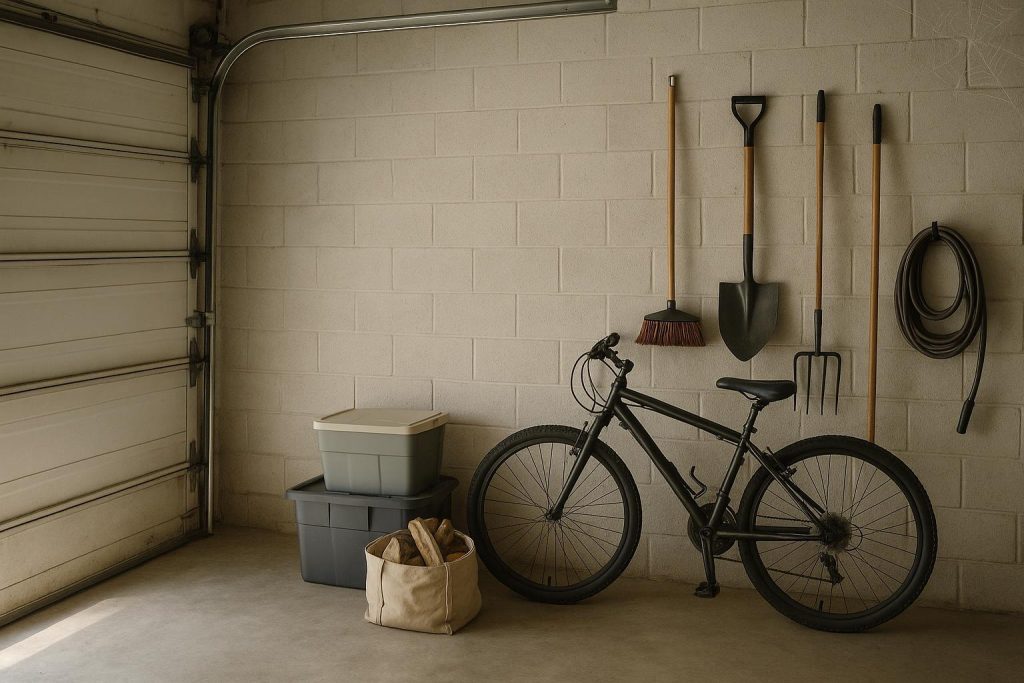
Effective Ways to Manage Spiders in Your Garage
Dealing with spiders in a residential garage can be frustrating, especially if webs and skittering creatures give you the creeps every time you look for that forgotten box of holiday decorations. While spiders are often beneficial outdoors—where they help keep other pest populations in check—most people prefer not to share enclosed spaces with too many of them. This guide walks through why spiders might find your garage appealing, quick and safe ways to remove them, and how you can prevent future spider presence. By following these steps, you’ll maintain a comfortable space without resorting to harsh methods. After all, your garage should be a useful extension of your home, not a place you avoid.
1. Why Garages Attract Spiders
Garages frequently become spider hotspots due to a few common factors:
- Dark and Cluttered Areas: Many garages have stacked boxes, seldom-used items, or shelving units with nooks and crannies that provide excellent hiding spots for spiders.
- Food Sources: If your garage harbors flies, small insects, or other bugs, spiders will love the steady food supply. In a way, the more insect activity, the more welcoming a garage becomes for spiders.
- Easy Entry Points: Gaps around doors, unsealed windows, and small openings along the garage foundation can let spiders slip in, especially during cooler weather.
- Minimal Disturbance: Garages can go long spans without frequent human traffic, making them a calm environment for spiders to hang out without interruption.
Knowing why spiders choose your garage helps you take more targeted measures. Removing an underlying cause—like excessive clutter or insect activity—can go a long way in dissuading spiders from sticking around.
2. Identifying Common Garage Spiders
Most spiders you’ll come across in an Alberta garage or similar climate are harmless, but it’s still good to identify them so you know what you’re dealing with. Common species include:
- House Spiders: Brownish spiders that spin webs in corners and near ceilings. They’re relatively small and tend to be timid.
- Cellar Spiders: Often called “daddy longlegs” (though not technically the same as true daddy longlegs), these have very long, thin legs and build tangly webs in corners or near the ceiling.
- Wolf Spiders: Faster-moving, ground-dwelling spiders that can appear somewhat large and intimidating. They do not spin webs to catch prey but rely on ambushing insects.
- Orb Weavers: Typically found outdoors near lights or in garages with open doors. They create the classic circular web and can vary in color.
In most cases, these spiders pose no real threat. However, a large or growing population in your garage can be unsettling. If you suspect something more concerning, like a spider with a painful bite, or you’re unsure about identification, you can always consult a pest control professional.
3. Quick Ways to Remove Spiders From Your Garage
If you notice a new spider presence and want fast relief before they get too comfortable, consider these steps:
- Vacuuming and Sweeping: One of the simplest methods is to remove existing webs and spiders using a high-powered vacuum or broom. This eliminates both spiders and the eggs they might have laid. Focus on corners of the ceiling, garage windowsills, and behind storage units.
- Reduce Clutter: The faster you remove hiding spots, the less likely spiders will claim them. Sort through old boxes, throw out unneeded items, and reorganize your garage so air and light can circulate.
- Switch Out Outdoor Lighting: Dusk-to-dawn lights or bright outdoor bulbs can attract insects, which in turn invite spiders. If possible, switch to yellow “bug” lights or keep external lights shifted away from the garage door to reduce nighttime insect gatherings.
- Seal Entry Points: Examine the seal along your garage door, windows, and any cracks in the foundation. Use weatherstripping, fill cracks with caulk, and ensure doors and windows shut tightly. The fewer ways in, the fewer unexpected spider visitors you’ll have.
- Monitor Moisture: Spiders and the insects they feed on often gravitate to damp areas. If your garage is prone to leaks or excess humidity, resolve any moisture issue to make it less appealing to pest insects and, by extension, to spiders.
These measures will help you quickly reduce a spider population. For most homeowners who just want a fast resolution, vacuuming and removing webs is the simplest and least disruptive. However, if you find that you’re always dealing with new webs or higher-than-normal spider activity, think about taking more comprehensive, long-term steps.
4. Long-Term Spider Prevention
Beyond the immediate cleanup, you may want to invest a little time in prevention. Spiders often return if the conditions that attracted them remain unchanged. Here are some key prevention methods:
- Thorough Inspection: Conduct a walk-through of your garage every few months. Look for new cracks around windows or doors, as well as signs of insect activity. Catching problems early means fewer surprises later.
- Decluttering Strategy: Put frequently used items in clear plastic containers or sealed bins. Label everything so you aren’t rummaging through cardboard boxes—a favorite hiding place for spiders. Elevate boxes off the ground where possible.
- Keep Garbage and Recycling Secure: Open bags of garbage or loosely sealed recyclables attract insects, which then attract spiders. Make sure you store these in bins with tight lids, or keep them outside if possible.
- Store Firewood Properly: If you keep firewood in or near the garage, stack it off the ground and away from walls. Woodpiles are a popular hangout for spiders, so keeping them separate from the garage helps prevent easy entry.
- Consider Professional Control Methods: If spider issues persist, you can look into targeted pest control treatments designed to be safe for families, pets, and the environment. This often involves applying specialized products along foundation walls and potential entry points.
Combining an immediate cleanup with ongoing prevention goes a long way toward creating a spider-free garage. Spiders might still wander in occasionally, but they won’t set up permanent webs or reproduce at high rates if there’s no easy food source or convenient dark corners.
5. Safety Tips When Handling Spiders
Although most garage-dwelling spiders in our region are non-aggressive, it’s wise to take basic precautions:
- Avoid Direct Contact: Use gloves when cleaning out webs or moving boxes, and never place an unprotected hand where you can’t see.
- Check Before Lifting: If you’re moving an item that’s been in storage for a while, give it a quick look to ensure no spiders are nesting underneath.
- Wear Protective Clothing: Long sleeves and pants, along with covered shoes, can prevent accidental bites or rashes if you have to deal with a large spider population.
- Use Safe Treatment Products: If you opt to use a pest control spray, follow label instructions carefully. Avoid overusing or mixing chemicals, and keep pets and children away until the product has dried.
By applying common sense and protective measures, you minimize any risk associated with removing spiders or their webs.
6. Eco-Friendly and Ethical Approaches
Many homeowners wonder about humane solutions for spider control. At Birch Fumigators, we reserve humane methods primarily for wildlife such as squirrels, skunks, or nesting birds. Insects, including spiders, require targeted pest control solutions that are still as low-impact as possible. If you want a more earth-friendly approach:
- Limit Harsh Chemicals: Try mechanical methods like vacuuming and sealing entry points before resorting to insecticides everywhere.
- Use Non-Toxic Options Where Possible: There are products labeled as lower-risk that can be effective around doorways or other critical points.
- Contact Professionals for Advice: A professional pest control technician can help you apply safe products correctly, reducing the need for repeated treatments.
Choosing an approach that respects your home environment and the broader ecosystem is often very doable, even with more persistent spider situations.
7. When to Call a Professional
If your garage spider problem feels overwhelming, or if you suspect there might be other pests contributing to the issue, it’s wise to consult a trusted pest control team. Look for a company that values ethical pest management, offers expert inspection, and uses methods that prioritize safety for families, pets, and the environment. A pest control professional can:
- Evaluate potential entry points and make recommendations for sealing gaps.
- Apply low-impact pest control treatments where needed, targeting any underlying infestation of insects that attract spiders.
- Offer guidance on how to maintain a clutter-free, well-sealed garage for long-term prevention.
Professional inspection can also identify whether you’re dealing with other pests, such as mice hiding in boxes or larger insect populations. If left unmanaged, these issues can keep drawing spiders in. In many cases, a proactive approach saves you time and worry, especially when combined with ongoing prevention steps.
8. Birch Fumigators’ Approach to Spider Control
We understand the tension between wanting fast relief from spiders in your garage and ensuring that you feel comfortable with the methods used. Our process focuses on:
- Inspection and Advice: Our trained technicians look at your garage’s conditions, noting clutter, moisture, and any visible insect activity that might support spider growth.
- Targeted Treatments: We believe in using as few chemicals as possible, employing effective products designed to tackle active spider populations and keep new ones from settling in.
- Ongoing Prevention: After removing current webs and treating areas of concern, we’ll offer suggestions for long-term protection, from storing materials properly to sealing windows and doors.
If you’d like to learn more about professional spider services, feel free to visit our spider control page. Our approach aligns with our wider commitment to ethical pest management and an eco-conscious mindset. While spiders can be beneficial outdoors, we also understand your privacy and peace of mind are important—in that sense, a balanced approach works best.
9. Key Takeaways
- Spiders are drawn to garages with ample food sources, clutter, and dark hiding spots.
- Quick removal methods include vacuuming, sweeping away webs, and sealing entry points.
- Long-term prevention relies on consistent decluttering, reducing insect populations, and blocking off opportunities for spiders to sneak in.
- If you want professional help, choose a team that focuses on safe and reliable spider control, backed by local expertise.
Have More Questions?
Feel free to reach out if you need assistance identifying the type of spider you have, or if you’re unsure about next steps. Our licensed technicians are here to support you with personalized advice that respects your home environment, delivers reliable relief, and puts your peace of mind first.