
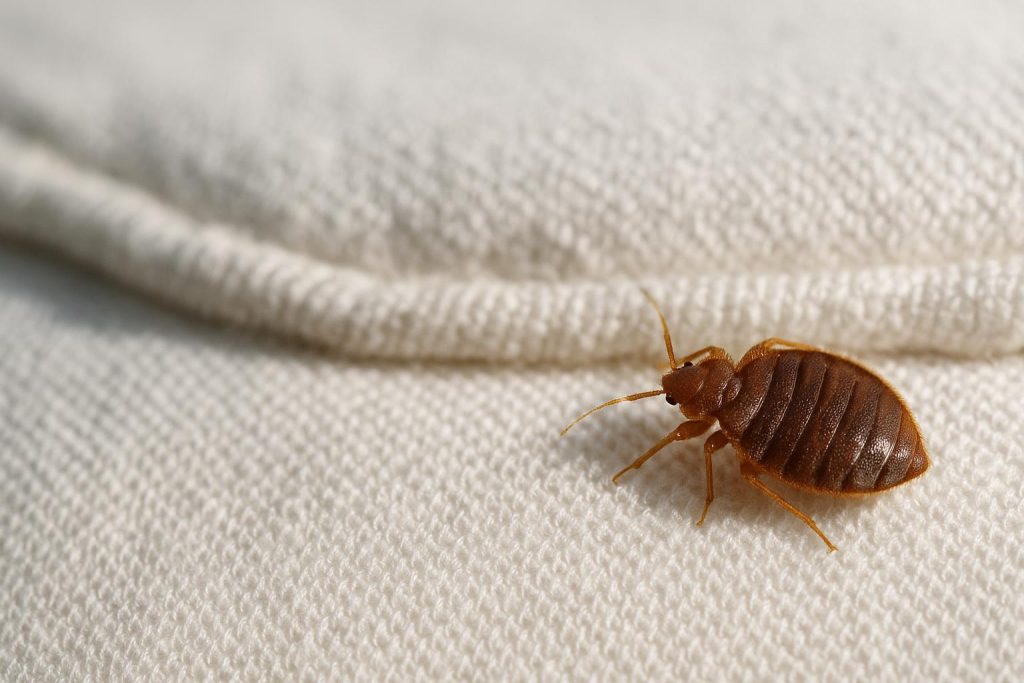
Understanding the Appearance of Bed Bugs
Bed bugs are tiny, blood-feeding insects that many people find tricky to spot in their homes. Although these pests are small, understanding their appearance is essential if you suspect they may be living in your mattress, couch, or other household areas. Below, we explore every stage of a bed bug’s life cycle, their distinctive characteristics, and common hiding places. By learning exactly what bed bugs look like, you can better protect yourself and those around you from problems such as bites, skin irritation, and general discomfort.
Physical Characteristics of Adult Bed Bugs
Adult bed bugs are often described as small, oval-shaped pests. They typically measure between 4 and 5 millimeters in length when unfed, which is about the size of an apple seed. Here are some other key features:
- Color: Unfed adult bed bugs usually appear light brown to reddish-brown. Once they have fed on blood, their color darkens, and they may appear more of a dark red or mahogany shade.
- Shape: These insects are flat and oval before feeding, and cylindrical after taking a blood meal. You might notice a swollen, elongated abdomen once they’re engorged.
- Antennae: They have short antennae that help them sense their surroundings.
- No functional wings: While they do have wing pads, bed bugs do not fly. This is one of the traits that distinguishes them from other household nuisances, such as certain beetles or flying insects.
Because of their size and coloring, bed bugs can often blend into furniture seams, bedding, or carpeting. Still, paying attention to common warning signs, like tiny black droppings or small, rust-colored spots on sheets, can help you pinpoint their presence.
Nymphs (Immature Bed Bugs)
Bed bug nymphs are just as important to understand since many infestations start with these younger stages:
- Size: Nymphs typically range from 1 to 3 millimeters, depending on which stage of development they are in. They can be so small that they’re often missed during a casual inspection.
- Color: Newborn nymphs are almost translucent or very pale. As they mature, they become light yellowish-brown. After they feed, they can take on a bright red color because the blood is visible through their semi-transparent exoskeleton.
- Molting: Nymphs must shed their exoskeleton multiple times before they reach adulthood. These discarded skins can be found in the folds of mattresses, on box springs, or along the edges of upholstered furniture and are a key sign of an infestation.
If you spot tiny, pale insects moving around your bedding or furniture, you could be looking at bed bug nymphs. An important aspect of bed bug management is catching the problem early, and nymphs play a massive role in reproduction and fast population growth.
Bed Bug Eggs
The life cycle of a bed bug starts in egg form, which can be difficult to identify without close observation. Bed bug eggs are approximately 1 millimeter long—about the size of a pinhead—and they’re often pearly white or slightly translucent. They can blend in with light-colored furniture or bedding, making them especially difficult to see. A female bed bug may lay multiple eggs each day in hidden areas such as mattress seams, cracks in a bed frame, or behind headboards. Because these eggs are so small, many people don’t realize their bed has been used as a bed bug nursery until they see some of the more noticeable indicators, like bites or adult bed bugs themselves.
Why Bed Bugs Are Often Confused with Other Pests
Many insects resemble bed bugs at a quick glance, including carpet beetles, spider beetles, and booklice. These mix-ups happen because:
- Several insects share a similar oval shape or small stature.
- Brownish-red coloring can be found in a handful of common household bugs.
- Very few novice observers get close enough to see the insect’s body segments or wing pads distinctly.
The best way to confirm a bed bug sighting is by using a magnifying glass or consulting a pest control professional for accurate identification.
Common Hiding Places for Bed Bugs
Regardless of their stage in life—egg, nymph, or adult—bed bugs are usually attracted to places where humans or pets rest for long periods (like a bed, couch, or chair). This is because bed bugs feed on blood and rely on their hosts being still long enough for them to safely feed. Some of the most common hiding spots include:
- Mattresses and Box Springs: They often hide along seams and tags, or within the folds and layers where pieces of material meet.
- Headboards and Bed Frames: Cracks, joints, and screw holes are popular locations for bed bug eggs and adults to remain undisturbed during the day.
- Upholstered Furniture: Sofas, recliners, and armchairs can house bed bugs under cushions, along seams, and in any crevices or hidden places.
- Baseboards and Carpet Edges: While it’s more common to find them near sleeping areas, some bed bugs hide behind baseboards or near where carpets meet the walls.
- Electrical Outlets or Picture Frames: Even places that seem too small can provide harborage if they are near a host’s resting location.
Because bed bugs prefer proximity to feeding sites, they usually won’t travel far once they’ve found a dependable spot. However, in heavier infestations, they can spread through entire rooms or even make their way from one apartment to another, moving through pipes or cracks in communal walls.
Signs of a Bed Bug Infestation
Even if you haven’t personally seen an adult bed bug crawling around, pests often leave behind signs of their presence. Here are some clues to watch out for:
- Bite Marks: Small, itchy red bites on your arms, legs, or torso. Bed bug bites often appear in clusters or lines. However, not everyone reacts strongly to bed bug bites—some individuals won’t notice them at all.
- Blood Spots: Tiny smears of blood on sheets or pillowcases, typically from crushed bugs or the remains left behind after a feeding.
- Exoskeletons: As nymphs molt, they shed their exoskeletons. These translucent or tan-colored shells can gather where the bugs hide.
- Fecal Stains: Bed bug fecal matter looks like small, dark, ink-like dots. Often, these dots appear along seams of the mattress or on couch cushions.
If you suspect bed bugs based on any of these observations, it’s best to investigate further or consider scheduling a professional inspection. Catching an infestation early saves time, money, and hassle in the long run.
The Lifecycle of Bed Bugs
Understanding what bed bugs look like at every life stage can help you detect infestations quickly. The life cycle includes:
- Egg Stage: Tiny, white, or translucent eggs that hatch in about one to two weeks.
- Nymph Stages: There are five instar stages of nymphs, each requiring a blood meal before molting and progressing to the next stage. During each molt, the nymph’s color darkens and size increases.
- Adult Stage: After the fifth molt, a bed bug is considered an adult and can mate and reproduce, continuing the cycle.
The entire process—from egg to adult—can take around 35 to 48 days, depending on the availability of a blood meal and environment. Under ideal conditions, bed bug populations can grow quickly because a single female can produce hundreds of eggs over her lifetime.
Why Bed Bugs Prefer Human Hosts
Bed bugs have adapted to rely on human blood; they can detect factors like body heat and the carbon dioxide we exhale. Unlike some other household insects, bed bugs don’t feed on crumbs or garbage. They require a blood source to survive and reproduce. Most bed bugs feed at night, typically between midnight and early morning, which explains why many people do not notice the feeding process—until itching or redness appears on their skin.
Inspecting Your Home for Bed Bugs
If you want to check for bed bugs yourself, start in your bedroom. Carefully look along mattress seams, under furniture, and in any tight crevices around the bed frame. A small flashlight and a magnifying glass are useful tools for spotting eggs or nymphs. Don’t forget to look behind headboards and peel back the corner of the box spring’s fabric if possible. If you notice any suspicious signs—like dark smears or shed exoskeletons—continue to examine other areas of your home.
In heavy infestations, you may find them in living room furniture, closets, or even behind baseboards. Because these insects can hide almost anywhere, a full evaluation is typically the most effective way to rule out or confirm their presence.
Do Bed Bugs Indicate a Dirty Home?
It’s a common misconception that bed bugs only appear in poor hygiene conditions or dirty households. The truth is that bed bugs don’t discriminate: they can be found in pristine hotel rooms, immaculate homes, or cluttered apartments. Because they primarily seek out stable food sources and places to hide, cleanliness is less relevant than a person’s or pet’s presence. Even the most spotless residence may still be targeted if bed bugs find their way inside on luggage, travelers’ clothing, used furniture, or other infested items.
Travel and Bed Bugs
One of the most common ways for bed bugs to enter a home is through travel. Staying in accommodations or using public transportation where bed bugs are present can lead to unwittingly bringing these insects back home. To reduce this risk, do the following:
- Inspect Hotel Rooms: Upon arrival, examine the bed and surrounding furniture for any warning signs. Store your luggage on a suitcase stand, away from the bed.
- Protect Your Luggage: Consider using a zippered bag or protective cover for your suitcase, which makes it harder for bed bugs to crawl into your belongings.
- Launder Clothing Immediately: When you return from traveling, wash and dry clothing on hot settings to kill any potential hitchhikers.
Staying aware while traveling is one of the easiest ways to keep bed bugs from ever making an appearance in your home.
How to Handle a Suspected Bed Bug Situation
If you see signs or suspect bed bugs, here are some tips:
- Don’t Panic: While bed bugs can multiply quickly, there are effective treatment options. Staying calm will help you consider your next steps more clearly.
- Launder Items: Gather bedding, linens, and clothing from the affected area. Wash them in hot water and dry them on high heat to kill any bugs or eggs.
- Isolate Infested Furniture if Possible: Encasements for mattresses or box springs can help trap any bed bugs already hidden inside, containing them until treatment.
- Seek Professional Advice: DIY methods may not eliminate an entire infestation, especially if you’re dealing with numerous eggs and hidden bugs in difficult-to-reach spaces.
Safe and Effective Bed Bug Control
When it comes to bed bugs, many homeowners try various sprays, powders, or thermal treatments. While a DIY approach can help control some of the problem, fully resolving a bed bug infestation often calls for the assistance of a trained pest control technician. Treatments may include:
- Targeted Heat Treatments: Heating an infested room to a temperature lethal for bed bugs can eliminate all life stages—eggs, nymphs, and adults. This method, when performed correctly, is highly effective.
- Specialized Products: Licensed pest control professionals have access to products that quickly target bed bugs in cracks, crevices, and other hiding spots with minimal disruption to your home.
- Multi-Step Approaches: In larger infestations, multiple treatment methods might be used. The idea is to reinforce long-term prevention while ensuring the insects are fully removed.
Professional help ensures a more thorough assessment. By identifying all potential infestation areas and employing proven treatment tactics, you can reclaim your living space quicker and with less frustration.
Preventing Future Infestations
Once you’ve dealt with a bed bug problem, you’ll likely want to take steps to avoid a repeat experience. Fortunately, there are several preventive measures you can adopt:
- Regular Inspections: Make it a habit to check your sleeping areas and furniture every few weeks, especially if you frequently travel or have houseguests.
- Protective Encasements: These sealed covers help keep bugs away from the seams and cracks of mattresses and box springs, making them easier to spot.
- Be Cautious with Secondhand Items: If you purchase used furniture or clothing, inspect and clean them thoroughly before bringing them inside.
- Minimize Clutter: Reducing the amount of clutter in your home eliminates hiding places for bed bugs and makes it easier to spot problems early.
Although there is no absolute guarantee against bed bugs (since they can catch a ride on personal belongings so easily), being mindful of these practices will reduce the risk substantially.
Frequently Asked Questions
1. How do bed bugs move from one place to another?
Bed bugs don’t fly or jump. They crawl from one hiding spot to another, or they are carried unknowingly on personal items—like luggage, purses, and clothing.
2. Should I throw out my mattress if I have bed bugs?
It’s rarely necessary to discard furniture if treated properly. However, severe infestations may damage items beyond repair. A more cost-effective approach is to contact a pest control technician who can advise you on treatments or the potential need to replace select items.
3. Can bed bugs make me sick?
Bed bugs aren’t known to transmit diseases, but their bites can cause itchiness or allergic reactions in some individuals. The emotional stress and discomfort of dealing with an infestation can impact well-being, so it’s always wise to take action.
4. Why do people often fail with DIY treatments?
Bed bugs are adept at hiding in tiny, out-of-reach crevices. DIY treatments may address only visible bugs, missing hidden eggs or adults. Professional strategies often include multi-step methods that address all life stages.
When to Seek Professional Guidance
While you can do many things yourself—like regular inspections or washing bedding in hot water—large or persistent bed bug issues are best handled by knowledgeable pest control professionals. Bed bugs reproduce quickly, so the longer you wait to address a potential outbreak, the harder (and more expensive) it can be to solve. If you find you’re dealing with repeated bites, see clusters of suspicious insects, or simply want professional peace of mind, it’s a good idea to reach out for a thorough inspection.
If you’d like more information about bed bug control solutions, you can explore our bed bug service page for additional insights. It’s often reassuring to know that local expertise and professional support are available to help you return to a comfortable, pest-free home.
Maintaining a Bed Bug-Free Environment
Even after successful treatment, it’s vital to stay vigilant. Because bed bugs can re-enter a property through travel, secondhand purchases, or visiting guests, make periodic inspections a regular part of your routine. Wash linens regularly, check for signs of pests, and keep an eye out for unexplained bites. If you notice something suspicious, it doesn’t hurt to seek advice. Bed bugs, like many household pests, thrive on going unnoticed—and your best defense is early detection.
It’s natural to feel stressed at the thought of bed bugs sharing your living space. However, a little knowledge and consistent observation can go a long way toward making sure these pests never get too comfortable. Still have questions? Feel free to contact our team for expert advice. Identifying bed bugs correctly is the first step in regaining your peace of mind and ensuring you and those you care about can rest easy.