
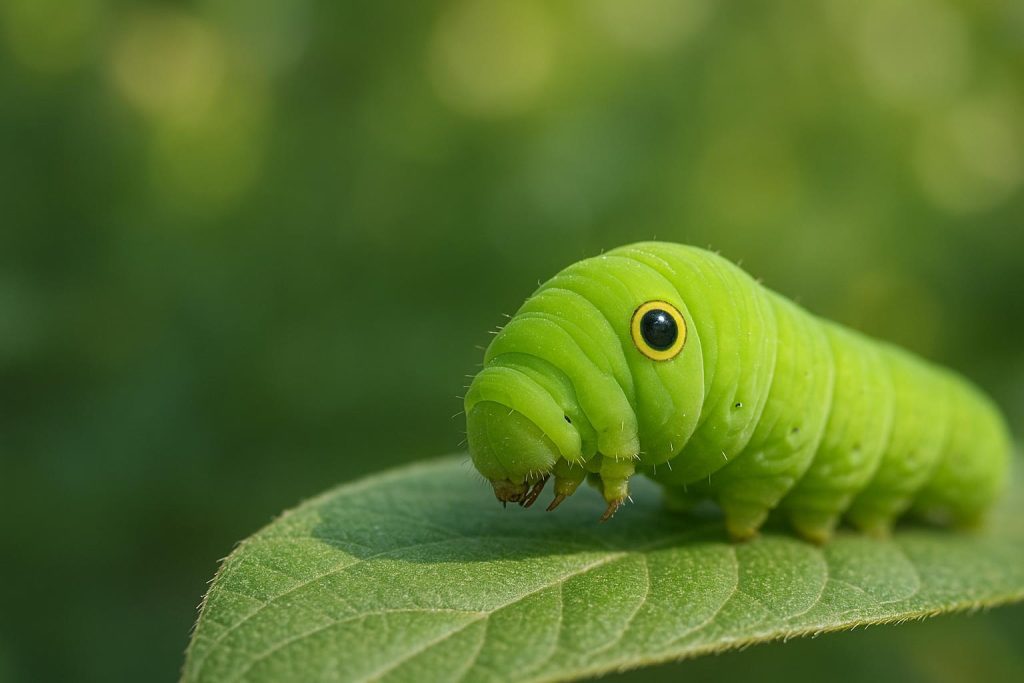
Understanding the Life Cycle of Green Caterpillars
Green caterpillars are among nature’s most fascinating insects, easily recognized by their bright coloration and unique markings. These crawling larvae can take on many appearances—from solid lime hues to patterns with black, yellow, or white stripes. While some species turn into vibrant butterflies, others become nocturnal moths with understated wing patterns. In many parts of the world, plenty of butterfly species—including Monarchs, Cabbage Whites, and Swallowtails—start off as green caterpillars. Identifying which butterfly or moth a green caterpillar will become depends on clues like its host plant, striped or spotted markings, and even specialized features like hairs or spines.
Below, we take a deeper look at what green caterpillars are, how they develop, their feeding habits, and what you should know if you spot them in your garden or yard. Each caterpillar’s journey to adulthood is an exciting process, and understanding that magical transformation can give you a new appreciation for the remarkable life cycles unfolding around you.
Why Are Some Caterpillars Green?
The first question many people ask is, “Why do I see so many green caterpillars?” The answer usually involves camouflage. Green caterpillars often blend naturally with leaves and foliage, helping them evade predators like birds and small mammals. Many species rely on this coloration to stay hidden as they feed—after all, if you’re munching on leaves in broad daylight, blending in can be a lifesaver.
Beyond camouflage, some green caterpillars also sport stripes or spots in contrasting colors, allowing them to mimic stems or the veins on leaves. Others have specialized patterns that look like eye spots or warning signals to ward off predators. These variations make the world of caterpillars surprisingly diverse. Even for experts, occasional confusion arises when two different species appear to have nearly identical shades of green.
Common Types of Green Caterpillars
While there are countless green caterpillar species worldwide, several stand out due to their striking colors, host plants, and eventual adult forms. Below are a few notable examples you might find in your garden or nearby natural areas.
- Monarch Caterpillar: Not all Monarch caterpillars are entirely green, but early instars (stages) can appear vaguely greenish. They typically display intricate stripes of black, white, and yellow. Monarch caterpillars feed exclusively on milkweed plants, where they absorb toxic compounds that deter predators. Eventually, these caterpillars metamorphose into one of the most well-known and popular butterflies: the Monarch.
- Cabbage White Caterpillar (Pieris rapae): These caterpillars are velvety green, with a faint yellow line running down the back and can be found feeding on plants in the cabbage family, such as kale or broccoli. Though often seen as garden pests, they transform into the common Cabbage White Butterfly, recognizable by its pale wings and black wing spots.
- Swallowtail Caterpillars: Swallowtails are a big family of butterflies that includes species like the Black Swallowtail, the Eastern Tiger Swallowtail, and others. Many swallowtail caterpillars are green with stripes or spots of black, red, or yellow. They tend to feed on a wide range of host plants—from parsley and dill to citrus tree leaves—depending on the species.
- Tomato Hornworm: Tomato hornworms are typically bright green with a distinctive “horn” protruding from the rear. While they can be damaging pests in veggie gardens—particularly on tomato, pepper, or eggplant plants—they metamorphose into large moths known as Sphinx or Hawkmoths. They may have white diagonal stripes along their body, and close relatives, the tobacco hornworm, have a similar appearance. Despite being considered garden pests, these caterpillars have a short feeding window before pupation.
There are many more green caterpillar species, but these examples illustrate how coloration, stripes, and host plant preferences give each larva its own vegetarian niche and help determine its future adult form.
Identifying a Green Caterpillar
While color is a vital clue, there are several additional factors to consider. Seasoned butterfly and moth enthusiasts pay attention to:
- Host Plants: Each caterpillar species has specific plants they eat. Swallowtails might fancy citrus leaves, while Cabbage Whites gravitate toward cruciferous vegetables like broccoli and cabbage.
- Markings: Subtle stripes, spots, or shapes help distinguish between species that otherwise look similar. These patterns can appear in different instars—sharing similarities with the adult butterfly or moth’s coloration.
- Bristles or Spines: Some green caterpillars have small, unnoticeable hairs, while others carry more pronounced spines that can deter predators.
- Behavior: Certain caterpillars feed in clusters, while others are solitary. Some species feed only at night to reduce their chance of detection, and you might notice half-eaten leaves in the morning.
Accurate identification may require observing multiple characteristics. When in doubt, you can consult local field guides, online resources, or experienced hobbyists who specialize in caterpillar and moth identification. For more details, check our comprehensive guide to caterpillars at Caterpillars.
The Metamorphosis Journey: From Caterpillar to Adult
Alongside color and camouflage, metamorphosis is a powerful aspect of a caterpillar’s life. From the moment an egg hatches, the small larva focuses on continuous feeding and growth. Here’s a quick breakdown of the stages:
- Egg: Adult butterflies or moths lay eggs on the leaves of host plants. Once the egg hatches, a tiny caterpillar emerges.
- L5 Larva Stage: Caterpillars pass through several growth stages—called instars—and increase dramatically in size. Each instar may feature slightly different colors and patterns. Many green caterpillars only live for a few weeks to a month in this stage, so they must eat a lot in a short time.
- Pupa (Chrysalis or Cocoon): When the caterpillar is ready, it pupates. Butterflies form chrysalises, while moths typically spin cocoons. Inside, the larva’s body transforms into the adult form through a process called histolysis and histogenesis—old body tissues break down, and new structures (like wings) form.
- Adult Butterfly or Moth: After a period of days or weeks, the adult emerges. Usually, the coloration of the adult may contrast dramatically with the bright greens of the caterpillar stage. Adult butterflies often feature vivid patterns, while many moths sport more cryptic coloration for nocturnal life.
This remarkable cycle is part of what draws so much fascination to caterpillars. Watching a green caterpillar transition to a chrysalis or cocoon and finally emerge as a butterfly or moth remains one of nature’s true wonders. If you’ve never witnessed this transformation, it’s worth observing at least once—and you can do so simply by leaving an undisturbed portion of your garden or yard where caterpillars can feed and pupate.
When Green Caterpillars Become a Nuisance
Although we often admire the metamorphosis of these bright insects, it’s worth noting that green caterpillars can quickly devour garden plants, ornamental flowers, or even trees. A small number of caterpillars usually isn’t a big problem—nature has built-in checks and balances that keep populations under control. However, large infestations can wreak havoc on crops or ornamental landscaping.
If you notice green caterpillars in your home garden, their presence may range from delightful observation to mild annoyance. It all depends on the scale. For example, a few tomato hornworms are manageable and can be handpicked if you prefer a chemical-free approach. On the other hand, an entire colony of them can decimate leaves in just a couple of days.
When caterpillars “skeletonize” leaves or cause noticeable foliage damage to multiple plants, you might want a more systematic response. Some individuals opt for organic control methods or beneficial insects—like parasitic wasps—that target caterpillar larvae. Others might rely on manual removal or netting to keep plants safe from hungry mouths. Still, it’s important to be aware of local guidelines and to use eco-friendly solutions whenever possible.
Professional Help for Larger Issues
In many cases, green caterpillars become a problem in fruit orchards or on ornamental trees and shrubs. When these situations escalate, you might consider seeking a professional pest control service—especially if valuable plants are at risk. For certain infestations, specialized treatments like tree spraying can be an option. Educated pest control professionals administer targeted products to protect trees while being mindful of safety and environmental impact.
If you’re unsure about an extensive outbreak, a professional pest control assessment can guide you on whether these caterpillars pose a long-term threat or if they’ll soon pupate and move on. While some infestations can be resolved by simple at-home strategies, others might benefit from expert guidance—particularly if you have a substantial garden, orchard, or numerous ornamental plants.
Encouraging Butterflies While Managing Harms
Encouraging beneficial pollinators, like butterflies, is a great way to promote biodiversity in your area. If your green caterpillars belong to a desirable butterfly species, you might decide to let them feed on a portion of your garden. Planting a “sacrificial” patch of leafy greens can encourage caterpillars to stay in one area and spare the rest of your plants. This approach offers a balance between enjoying the presence of future butterflies and protecting your main garden at the same time.
If caterpillars become a persistent concern, however, consider these tips:
- Rotate Crops: If your caterpillar issue is tied to your vegetable patch, rotating your crops or spacing plantings can prevent voracious larvae from returning each season.
- Keep an Eye on Eggs: Early detection helps. Check the underside of leaves for small clusters of eggs to remove them by hand before they hatch.
- Weed Management: Reducing weeds around your plants may help remove alternative food sources for certain caterpillar species.
- Introduce Natural Predators: Ladybugs, lacewings, and mild-mannered parasitic wasps can all help keep caterpillar populations in check organically, reducing the need for chemical-based interventions.
With these strategies, you could allow a few caterpillars to develop, observe the metamorphosis, and still ensure your garden remains mostly undisturbed. This balance underscores the importance of recognizing the caterpillar’s life cycle while addressing problems only when they become significant.
Fun Facts About Green Caterpillars
Many people, upon discovering these lively little larvae, may not realize just how fascinating they truly are. Below are some fun tidbits:
- Rapid Growth: Caterpillars can increase their body mass several thousand times over their brief larval stage. This is why they eat so much—and why you might spot chewed foliage overnight.
- Color Chemistry: Certain green pigments in caterpillars come from plant pigments known as carotenoids, which they derive from their leafy diet.
- Unique Defenses: Some caterpillars secrete foul-tasting chemicals, while others mimic bird droppings for disguise. A few, like certain swallowtails, have an “osmeterium,” a forked gland that emits odorous compounds.
- Caterpillar Frass: Frass is the official name for caterpillar droppings. While it might sound unappealing, it’s often a sign of healthy feeding. If you see small, pellet-like droppings below your plants, you likely have active larvae overhead.
When to Seek Professional Advice
For minor green caterpillar sightings, most gardeners can manage the situation themselves. However, if you’re dealing with bigger issues—for example, large groups of leaf-eaters damaging prized ornamental trees or an important crop—consult a professional pest control technician. If the damage spreads or you notice decreased fruit production, specialized interventions might be warranted.
Many pest control professionals focus on long-term prevention strategies, helping you protect your plants with methods that align with your environmental values. If you prefer a more targeted approach, or if you’re unsure how to differentiate between a beneficial butterfly-to-be and a destructive pest, expert insight eliminates guesswork. Depending on where you live, certain species may also be protected by local regulations, so seeking professional advice helps ensure that any actions taken are safe and lawful.
Have more questions about caterpillars or other pests? Feel free to contact our team for expert advice. We support homeowners and businesses with a range of services, promoting safe, responsible solutions for managing pests—big or small.
Wrapping Up
Green caterpillars play an integral role in our ecosystems, eventually transforming into the butterflies and moths we see fluttering around flowers and fields. By learning to identify their markings, you can better understand which species are gracing your yard and whether they warrant concern. Some green caterpillars, like Monarchs or Swallowtails, are beloved for their stunning adult forms, while others—such as the tomato hornworm—are known more for their appetite.
If you find yourself overwhelmed by an abundance of hungry caterpillars, reputable pest control professionals can offer guidance tailored to your situation. Likewise, if you’re intrigued and want to observe their transformation, you might opt to let them feed in a designated area of your garden, striking a healthy balance between nurturing nature and preserving your plants. In the end, these vibrant, leaf-munching larvae remind us that transformation is everywhere—a testament to the extraordinary complexity of life right under our noses.
Still have questions about caterpillars or need help identifying what’s munching on your plants? Our licensed technicians are here to support you. Whether you’re curious about a single green caterpillar or seeking a broader strategy for multiple pests in your yard, expert advice is just a call away. Understanding these creatures’ life cycles can help you work alongside nature rather than against it—encouraging butterflies where you want them, while managing damage when necessary.