
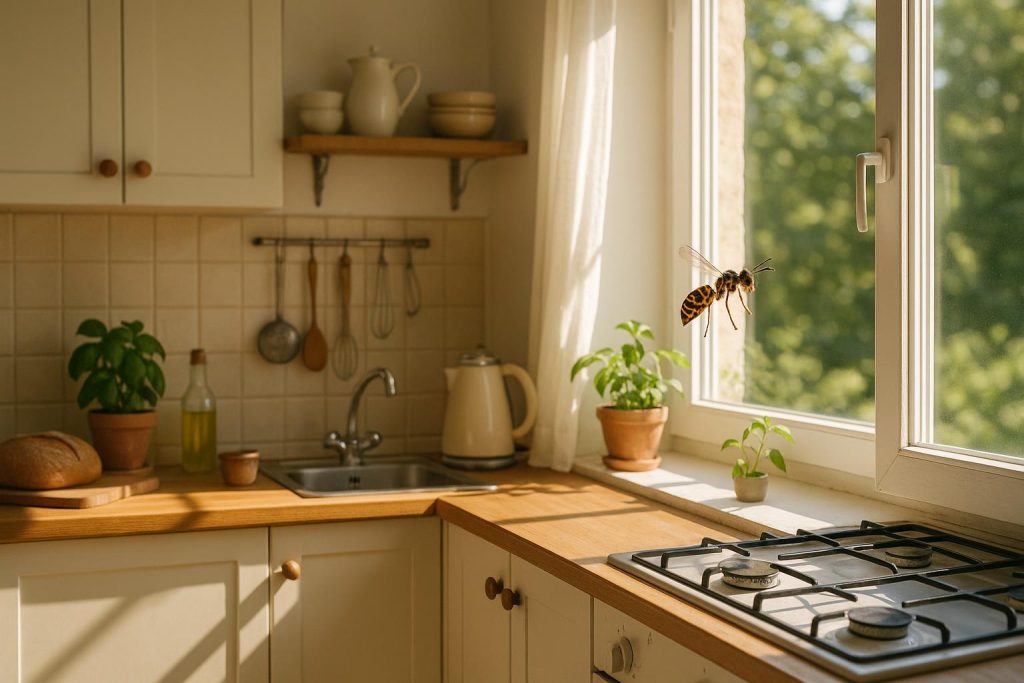
Understanding Why Wasps Enter Your Home
Wasps flying into your kitchen through open windows can be an unsettling experience. While they’re generally more aggressive than many other insects, wasps typically seek accessible sources of food, warmth, or shelter—which your kitchen may unknowingly provide. Understanding what attracts them helps you reduce or completely prevent their uninvited visits. From food aromas to topographical features of your home, numerous factors can cause wasps to buzz around your window frames and doorways. In this guide, we’ll explore the most common reasons wasps find their way indoors, how you can deter their presence, and how professional pest control solutions can keep your space safe for everyone.
1. Seasonal Activity and Food Sources
Wasps are especially active during late summer and early fall when queen wasps stop producing eggs and worker wasps intensify their search for sugary foods. Kitchens commonly feature food scraps, fruit bowls, or open beverage containers that release sweet scents—an irresistible invitation for hungry wasps. Even small spills or crumbs left on counters can catch a wasp’s attention. If you keep your windows open on a warm afternoon, wasps may pick up on these subtle food odors and make their way inside. Keep in mind:
- Seasonal pest activity: Late summer is prime time for wasp complaints.
- Odors and spills: Wasps can detect sugary smells from a distance.
- Open containers: Uncovered soda cans or fruit bowls on windowsills can entice them.
Minimizing indoor food sources can be an effective form of pest prevention. Simple actions like cleaning countertops regularly and securing trash bins with tight-fitting lids help reduce wasp visits. If you notice them consistently around your windows, look for any unsealed snack packaging or uncovered produce that might be drawing them inside.
2. Attraction to Warmth and Light
Wasps rely on an environment that fosters their survival, especially warmth. During cooler months, wasps tend to seek sheltered areas for nesting or temporary harbor. If your windows are open or lack screens, wasps may be drawn to the light bulbs, heating vents, or bright interior spaces that remind them of daytime brightness. While not as common as cravings for sweet foods, the warmth emitting from your kitchen can make your home inviting, particularly if outdoor temperatures dip. This often explains why wasps might remain near windows even after a quick glance indoors. Consider closing your blinds at night or installing energy-efficient screens to discourage them from hovering near your windows.
3. Gaps, Cracks, and Entry Points
Beyond the obvious open window, wasps can slip through cracks around windowsills, door frames, and ventilation openings. They may also climb through damaged screens or unsealed window frames. Seemingly negligible gaps can serve as open invitations for wasps, which is why performing an expert inspection or a simple do-it-yourself check around your windows and doors can reveal potential entry points. In fact, sealing these gaps is one of the simplest ways to ensure long-term protection against wasps and other insects.
- Degraded caulk: Over time, window sealants degrade, leaving small openings.
- Damaged screens: Even the smallest puncture is enough for a persistent wasp to squeeze through.
- Loose weatherstripping: Sometimes, wasps follow airflow or light sources through these cracks.
Check your home’s perimeter routinely for any damage and conduct pre-season maintenance to keep your home safe for families and pets. A little prevention goes a long way in maintaining a pest-free peace of mind.
4. Wasp Nests Near Windows
One important factor you might overlook is the location of wasp nests in close proximity to your home. If a wasp colony has built its nest under roof eaves, in the crevices of exterior walls, or near a windowsill, you’ll notice an uptick in wasps entering if windows are open. Wasps naturally emerge from their nests to forage, and your kitchen can provide a convenient food source or well-lit environment.
Nests can be hidden beneath overhangs, behind shutters, or even inside attic vents. A single wasp nest can house many worker wasps, so if you suspect there’s a nest dangerously close to your living spaces, it’s wise to consider professional service. Attempting to handle large or established nests on your own can be risky. A pest control professional or technician can confirm whether the colony has set up shop near your house and plan a safe, environmentally responsible way to remove it.
5. Simple Prevention Tips
Even small steps can help you avoid the inconvenience of wasps drifting into your kitchen. Whether you’re dealing with a full-blown seasonal pest activity surge or just an occasional uninvited flier, here are proactive ways to deter them:
- Cover your windows: Use screens or keep them partially closed when wasps are most active.
- Secure your garbage: Use tightly sealed bags and trash bins so food waste doesn’t attract wasps.
- Manage outdoor dining: If you eat outside, clean up quickly afterward to avoid luring wasps inside along with you.
- Check for water sources: Fix leaky faucets or containers, as wasps need water and may hover near accessible spots.
- Regularly seal cracks: Repairing damaged screens and sealing gaps along windows, doors, or utility lines helps deter insect entry.
These actions, while simple, add up to create a less appealing environment for any pest seeking an easy target. Since wasps can be persistent, consistency is key. Staying attentive to what might be luring them inside can dramatically reduce the occurrences of unwelcome visits.
6. Specific Wasp Behaviors
Wasps, unlike bees, tend to be more territorial. When they set up their territory near your windows, they may repeatedly circle the area. Some wasps are also curious, drawn to new stimuli. The sudden availability of fresh scents, ambient lighting, or a drop in temperature outdoors can make them investigate your kitchen. Wasps, unlike some other insects, can also sting multiple times, which raises the stakes if they become aggressive once inside.
It’s important to note that humane removal typically applies to wildlife like squirrels, skunks, or birds. For most insects—especially wasps—safe, targeted treatments are necessary to ensure thorough removal and continued pest prevention. Opting for pesticide-overloaded methods that promise total eradication can negatively impact the environment, but skipping professional intervention entirely can leave your household at risk. Instead, look for solutions that strike a responsible balance by addressing the infestation efficiently while remaining as low-impact as possible.
7. Signs You May Need Professional Support
If you’re noticing multiple wasps inside your kitchen daily or seeing them in large numbers near your open windows, it could be time to reach out to a trusted team. Early intervention can save you from a potentially painful sting, as well as prevent structural damage or more persistent wasp activity. Consider contacting a pest control professional if:
- You have recurring indoor wasp sightings despite maintaining normal cleaning routines.
- There is a noticeable wasp nest near or attached to your home’s structure.
- Family members or pets have experienced wasp stings, creating safety concerns.
- Home remedies or DIY traps have failed to solve the issue.
A reputable pest control operation will offer customized treatment plans to address wasp issues in a way that’s safe for families, effective, and mindful of environmental responsibility. Plus, they can identify root causes—such as hidden nests or structural gaps—so you can prevent wasps from continually bothering you in subsequent seasons.
8. Professional Wasp Solutions
Using targeted treatments that focus on wasp nests, entry points, and high-traffic areas around your property often yields the best results without relying on whatever harsh chemicals might be found on store shelves. A comprehensive plan generally includes:
- Expert inspection: Trained technicians locate wasp nests, determine species, and assess home vulnerabilities.
- Safe and controlled treatment: Treatments are designed to be eco-conscious and effective, neutralizing wasps without harming people or pets.
- Long-term prevention: Professionals can give expert advice on sealing entry points, recommending ongoing maintenance, and limiting future invasions.
Remember, we do not handle bees, as they require specialized swarm catchers who can relocate them safely. Wasps, on the other hand, are more aggressive insects that often demand a focused approach to remove them from your home environment.
9. Ongoing Maintenance and Peace of Mind
After any wasp issue has been treated, or even if you experience a single stray wasp, adjusting your cleaning and maintenance habits can keep them from returning. Depending on where you live—particularly in regions like Alberta—wasps may be a common seasonal concern. Consistent upkeep ensures your home stays a less attractive target for all types of pests. Keep in mind:
- Sanitation: Wiping down surfaces thoroughly and promptly discarding food waste make a big difference.
- Outdoor yard care: Trim back shrubs and clear debris where wasps might hide. If trees attract wasps or other insects, you can also look into targeted tree spraying services.
- Routine check-ins: A quick look around your windows, doors, and yard for early signs of wasp activity helps you stay ahead.
By being proactive, you create a less hospitable environment for wasps and other insects. Ongoing vigilance is the key to avoiding those surprising moments when a wasp wanders in through the open window right in the middle of dinner preparations.
10. Learn More About Wasp Control
Wasps can cause a great deal of stress when they enter your personal space. Knowing why they appear and creating a plan to keep them away is one of the best steps you can take for your household. With thoughtful precautionary measures and a bit of professional help, you don’t have to live in fear of these flying insects.
If you think you might need additional support or you’ve identified a significant wasp presence in and around your home, we can help. Learn more about our targeted and environmentally responsible approach to wasp control. Our methods aim for effective results while keeping your family’s safety at the forefront. If you’re unsure what steps to take next, or you have more questions, feel free to reach out for expert advice. Taking action early not only gives you peace of mind, but also helps ensure your kitchen—and your entire home—remain a wasp-free environment.